Rotlichttherapie nach dem Training: Nahinfrarot & Regeneration
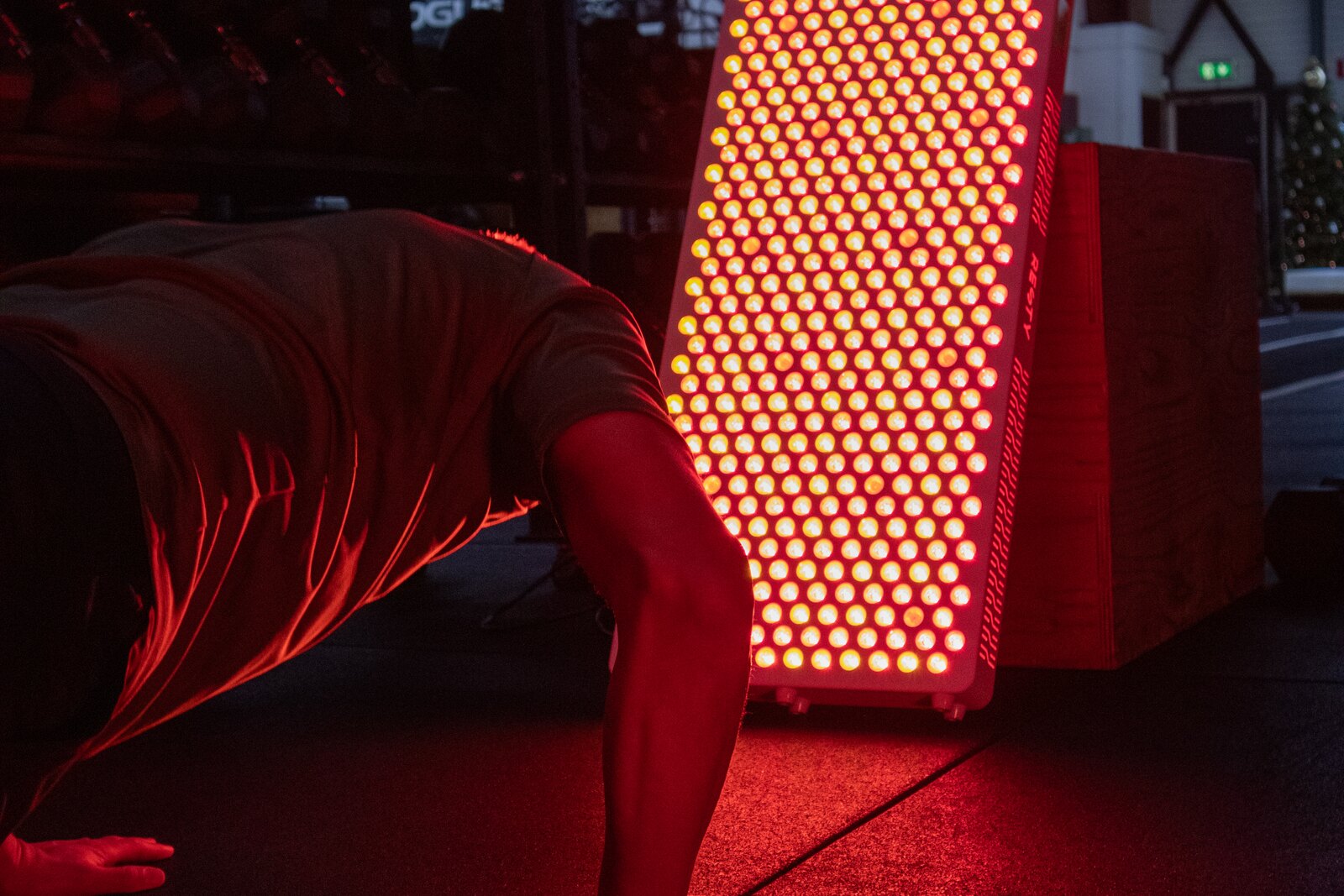
Nahinfrarotlicht wird häufig mit „tiefer Regeneration“ in Verbindung gebracht, weil es andere Eigenschaften bei der Gewebedurchdringung hat als sichtbares Rotlicht. Der Ausdruck garantiert jedoch weder eine tiefere noch eine bessere Wirkung. Entscheidend ist, welche Wellenlängen das Gerät abgibt, was die Anleitung empfiehlt und welches Ergebnis Sie tatsächlich beobachten.
Rotlicht und Nahinfrarot
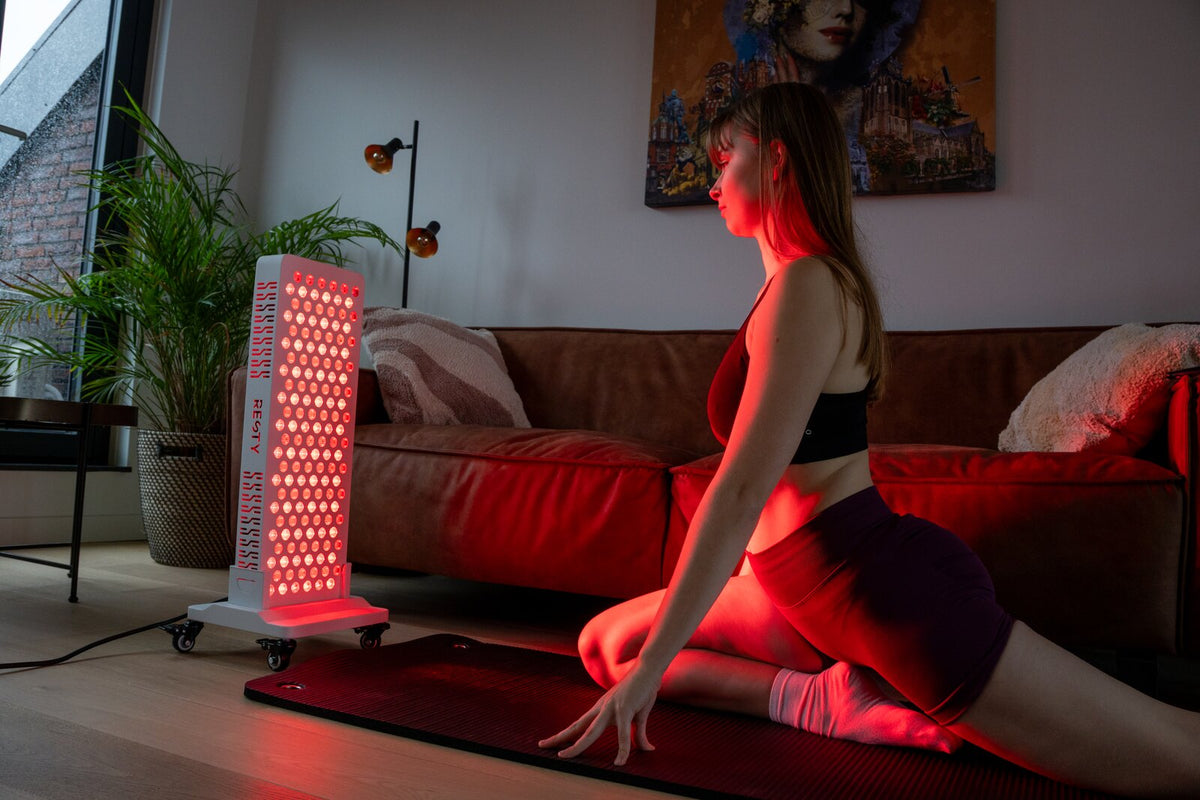
Sichtbare rote und nahinfrarote Wellenlängen werden beide in der Photobiomodulation eingesetzt. Nahinfrarotlicht ist weniger sichtbar; das bedeutet jedoch nicht, dass Sie Hinweise zum Augenschutz ignorieren oder eine höhere Exposition wählen können. Vergleichen Sie die Wellenlängenangaben und den empfohlenen Abstand für das konkrete Panel.
Was die Evidenz abdeckt
Studien untersuchen unterschiedliche Endpunkte, darunter Schmerzen, Muskelleistung und Erholung nach belastungsbedingtem Stress. Eine systematische Übersichtsarbeit zur Photobiomodulation bei verletzten Sportlerinnen und Sportlern zeigt, wie stark sich die Protokolle unterscheiden. Beachten Sie die Evidenzgrenzen in der Übersichtsarbeit zu Schmerzen und Rückkehr zum Sport .

Eine vorsichtige Routine nach dem Training
- Wählen Sie einen trainierten Bereich und legen Sie das beobachtete Ergebnis fest, zum Beispiel das Befinden am nächsten Tag.
- Halten Sie den angegebenen Abstand und Timer des Geräts ein; improvisieren Sie keine stärkere Dosis.
- Halten Sie die Sitzung beim Vergleich ähnlicher Trainingseinheiten konstant.
- Beenden Sie die Anwendung bei anhaltender Rötung, Schmerzen, Augenbeschwerden oder übermäßiger Wärme.
Lassen Sie eine vermutete Verletzung, Schwellung, einen Funktionsverlust oder nicht nachlassende Schmerzen angemessen abklären. Ein Lichtpanel ist kein Nachweis dafür, dass eine Rückkehr zum Sport nach einer Verletzung sicher ist.
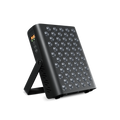
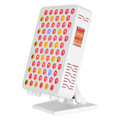
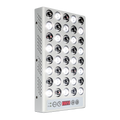
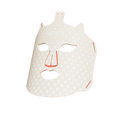
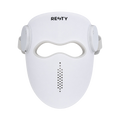
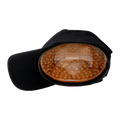
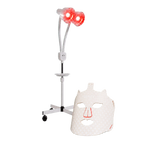
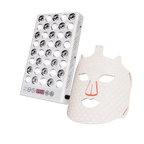
Entdecken Sie die Resty-Kollektion für Rotlichttherapie und vergleichen Sie Abdeckung, technische Daten und Anweisungen, bevor Sie ein Format auswählen.
Für die Wellenlängenwahl vergleiche 660 nm Rotlicht mit 850 nm Nahinfrarot. Zur Zeitplanung hilft der Ratgeber zur Anwendung vor oder nach dem Training. Das sind getrennte Entscheidungen: Weder ein weniger sichtbarer Modus noch eine Anwendung direkt nach dem Sport belegt eine bessere Regeneration.