Schlaf-Biohacking: 7 praktische Tipps für besseren Schlaf
Sleep biohacking is a simple idea: test small changes that may make your sleep routine more comfortable, then keep the changes that genuinely help. It does not need extreme gadgets, rigid rules or dramatic promises. The strongest starting point is still a repeatable sleep schedule, a bedroom that supports rest and a plan you can follow when life gets busy.
The short answer
Start with one change at a time. Track sleep timing, how rested you feel and whether the change is comfortable. A sleep tool can support a routine, but it cannot diagnose or treat a sleep disorder.
1. Anchor your sleep and wake time
Choose a wake time you can keep most days and work backwards toward a realistic bedtime. Consistency gives your body a clearer rhythm than constantly changing the alarm. If you need to move your schedule, shift it gradually rather than trying to force a large overnight change.
2. Use light deliberately
Get outdoor light during the first part of the day when possible. In the evening, make the room dimmer and reduce bright screens if they keep you alert. Light timing affects people differently, so use your sleep onset and morning alertness as feedback instead of chasing a fixed minute-by-minute rule.
3. Make the bedroom boring in a good way
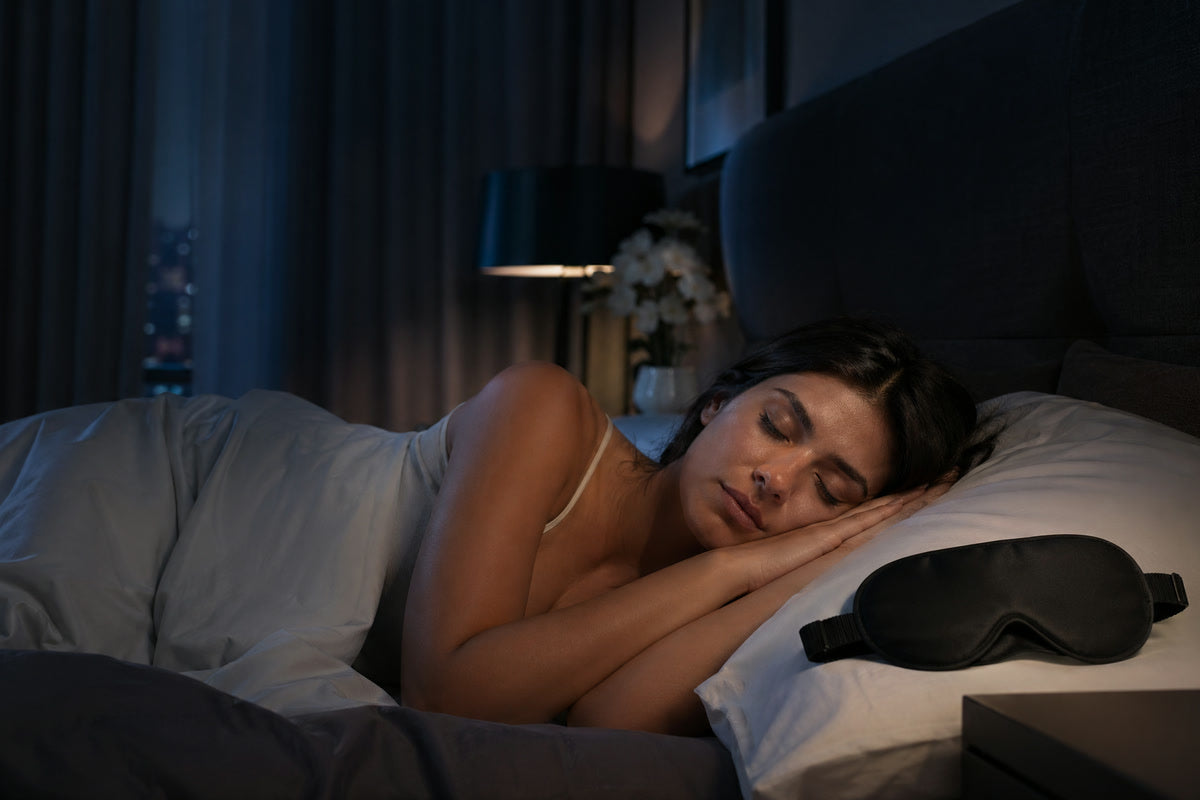
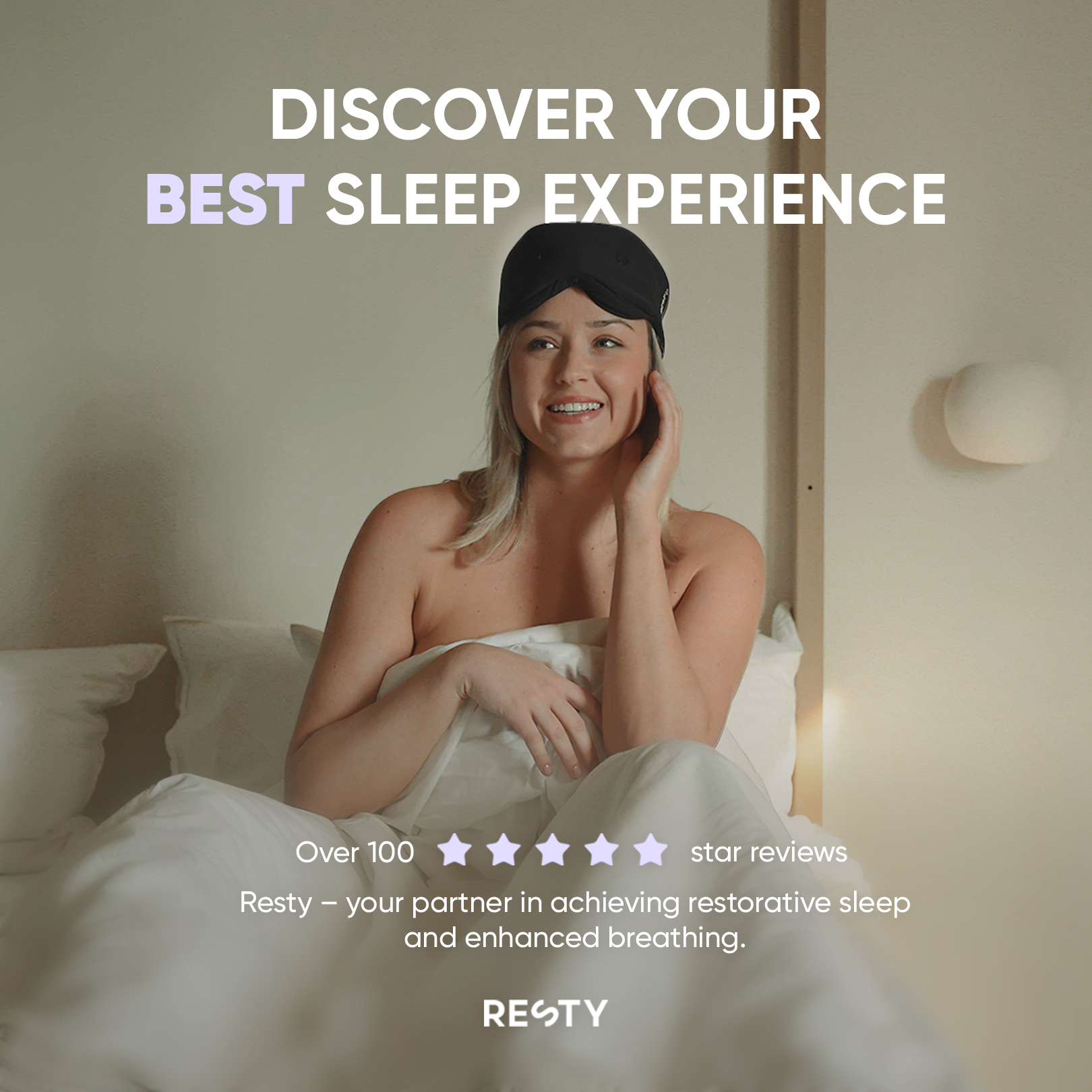
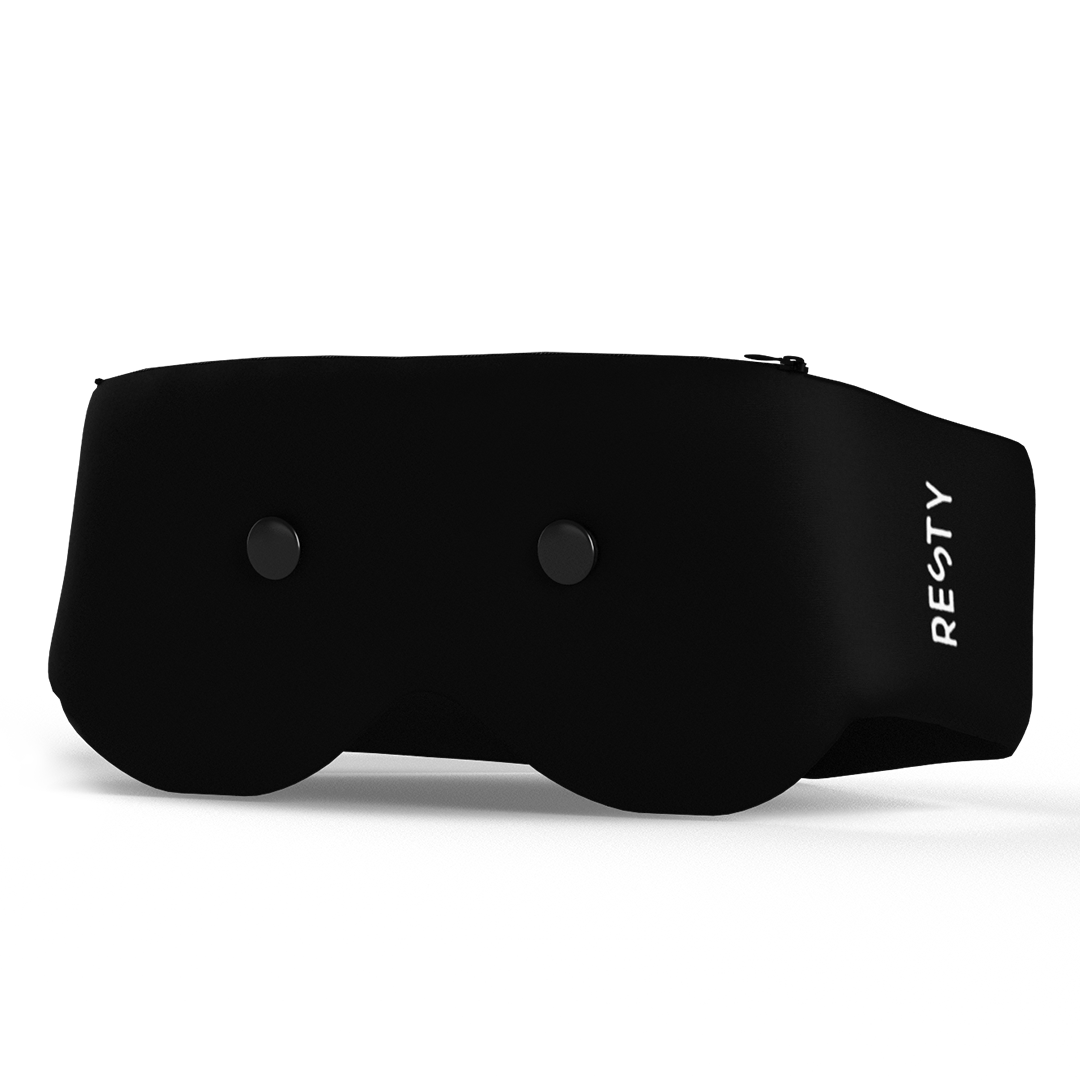
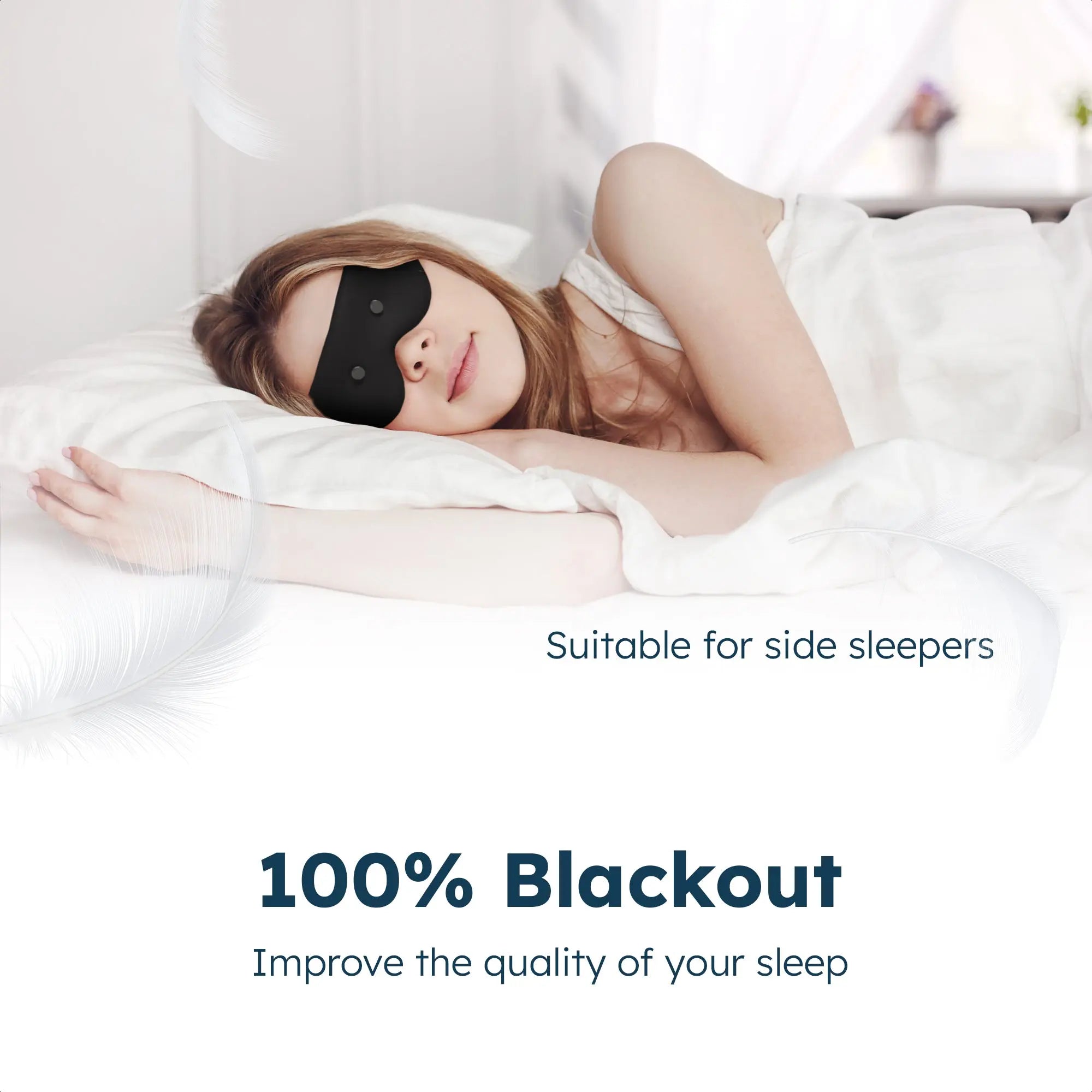
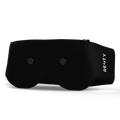
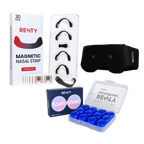
A cool, dark and quiet room is a useful baseline. Remove notifications, keep the phone out of reach and make the last part of the evening predictable. A sleep mask can help when the room cannot be made fully dark, especially while travelling.
4. Support comfortable nasal breathing
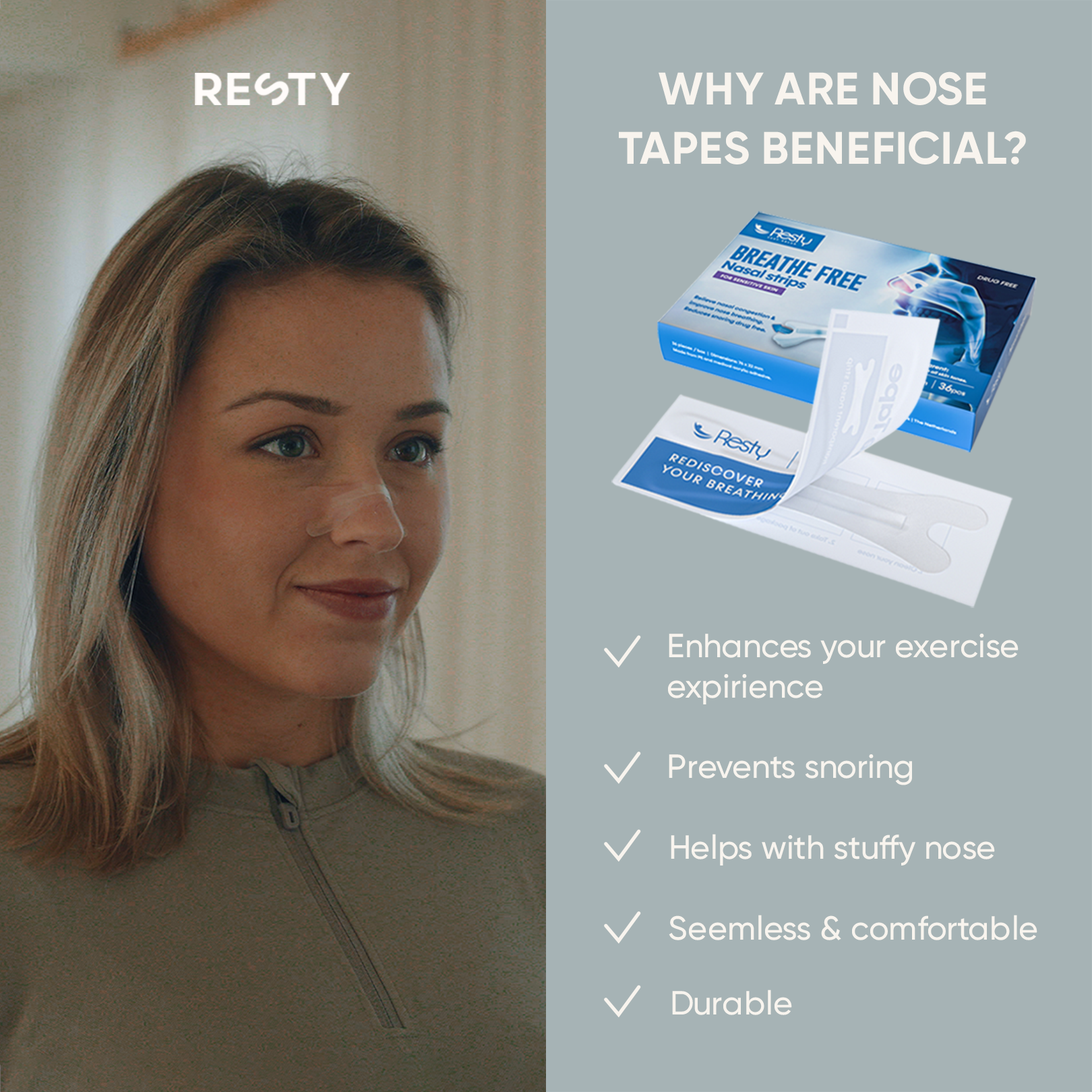
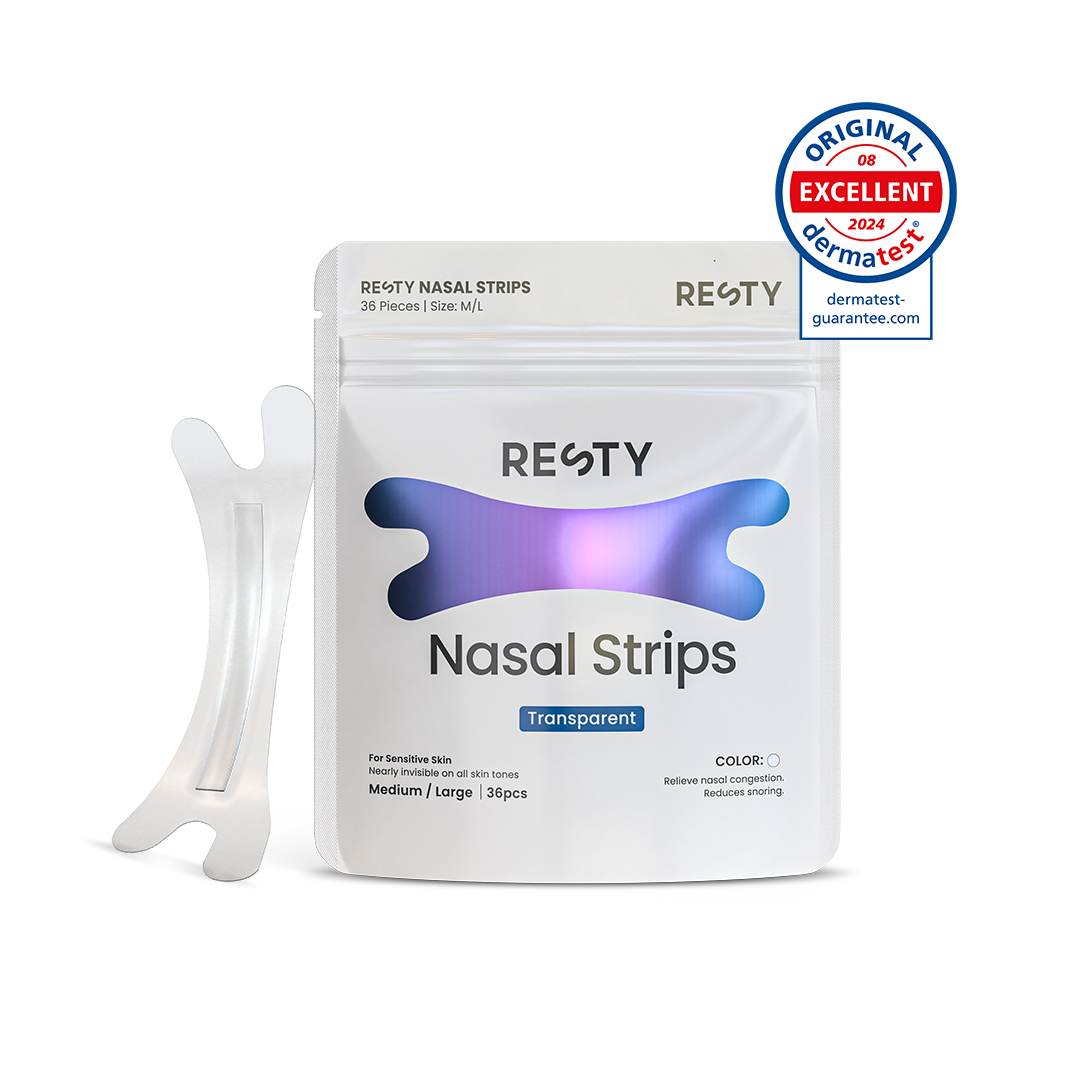
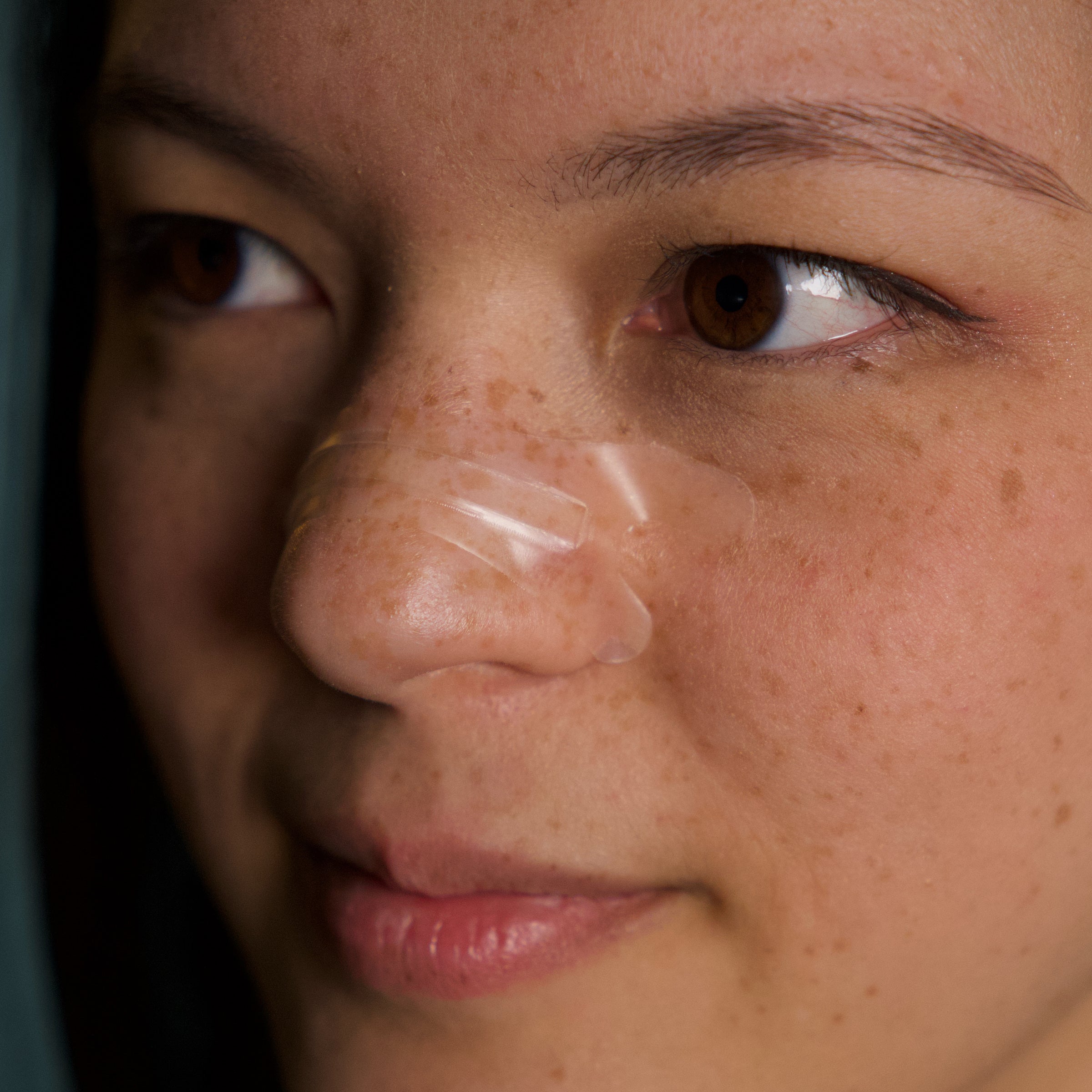
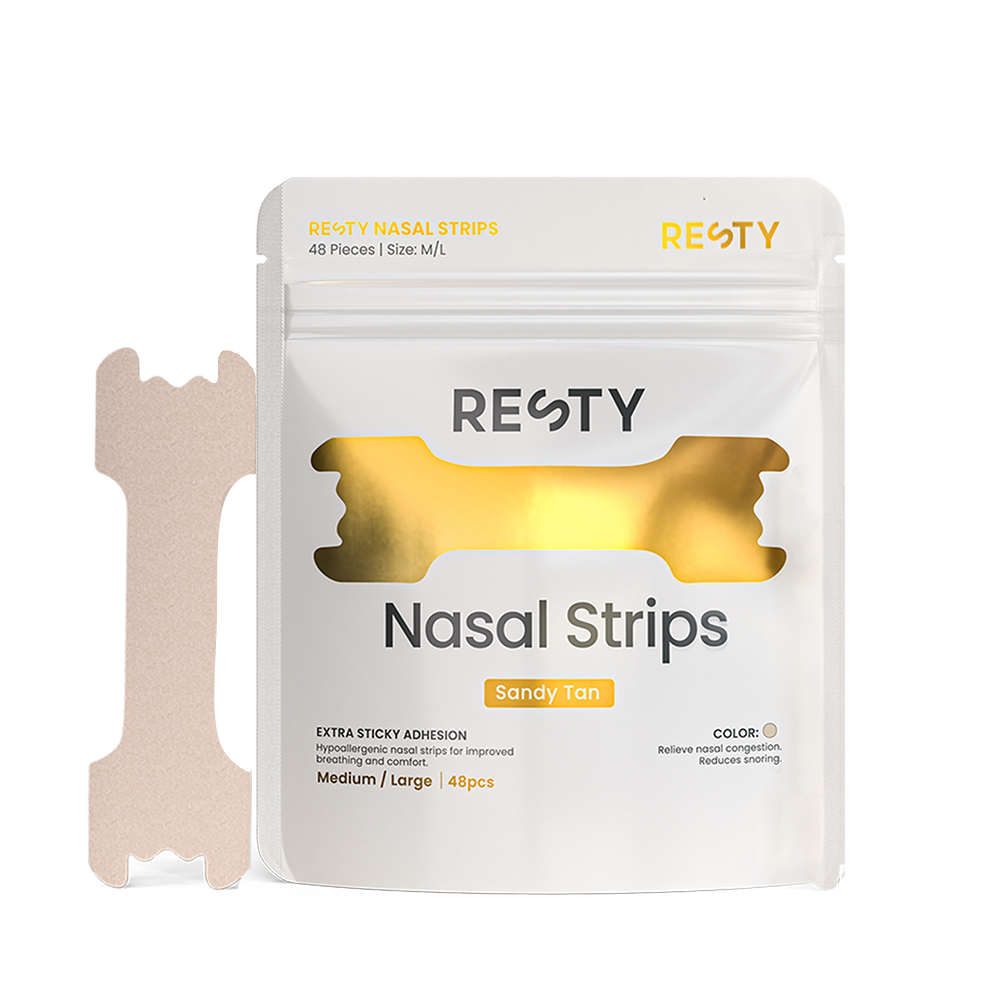
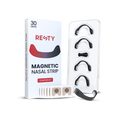
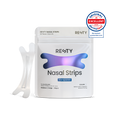
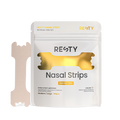
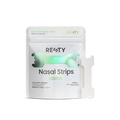
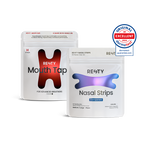
If your nose feels clear, relaxed nasal breathing may be a comfortable part of winding down. External nasal strips can make the front of the nose feel more open for some people, but they do not treat sleep apnoea or obstruction deeper in the airway.
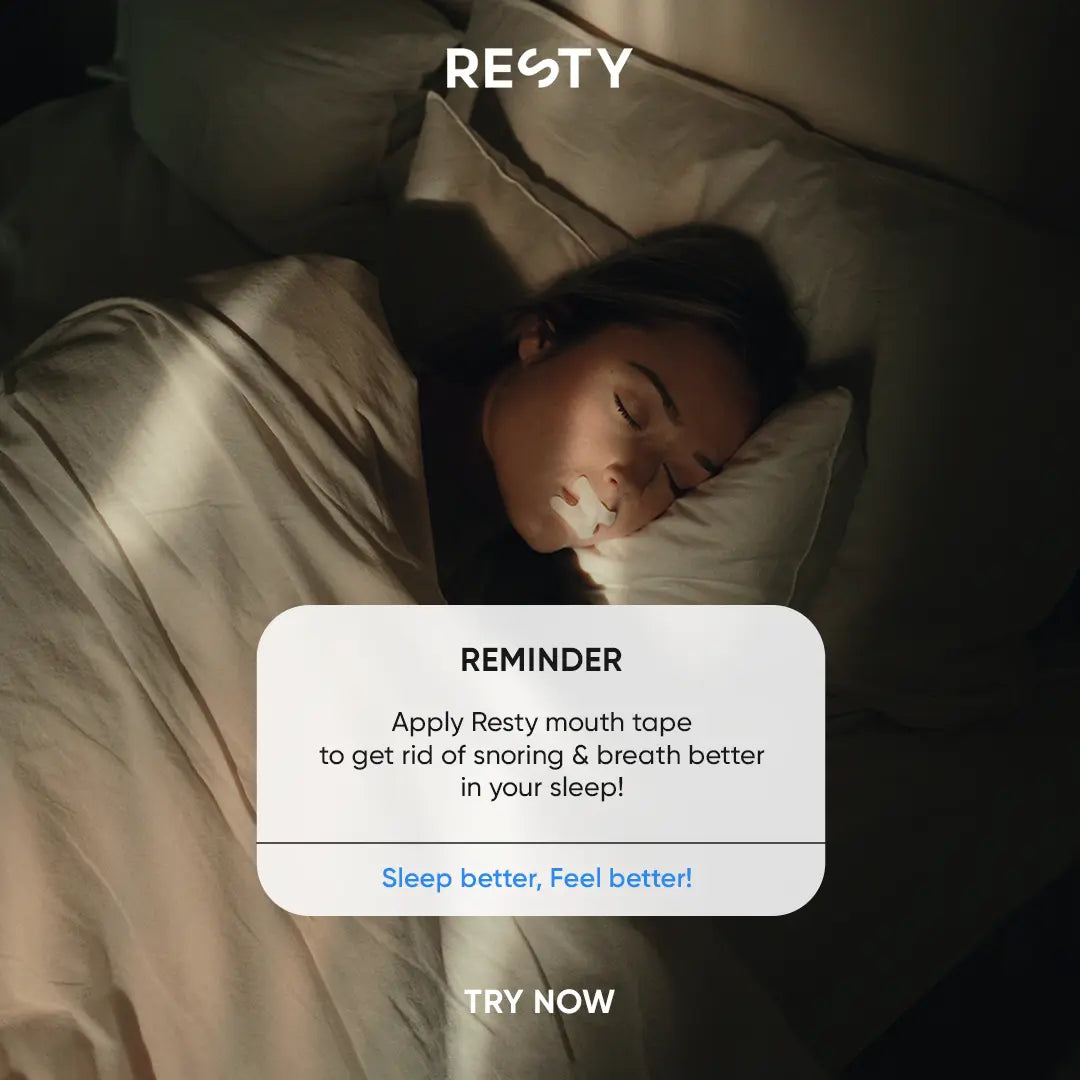
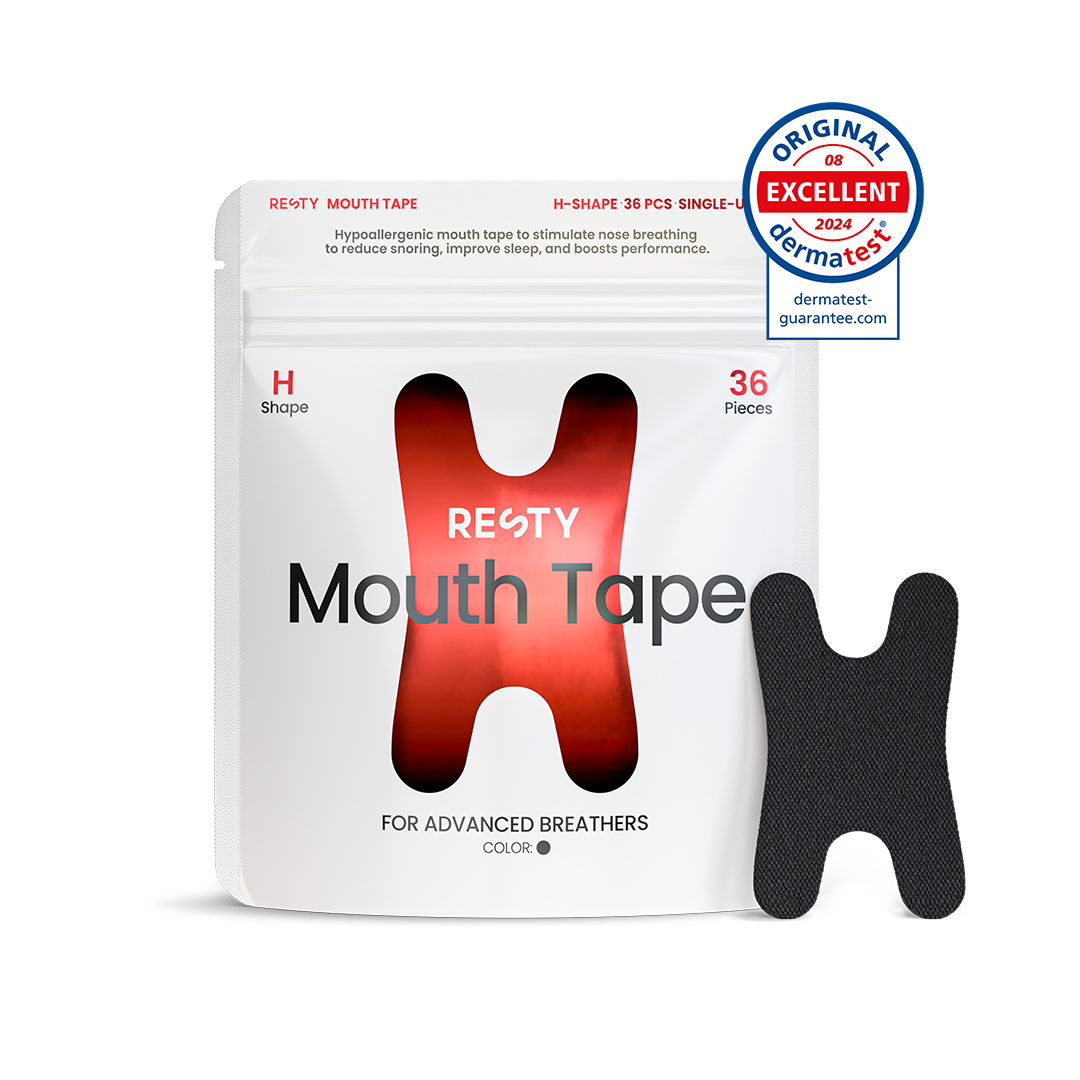
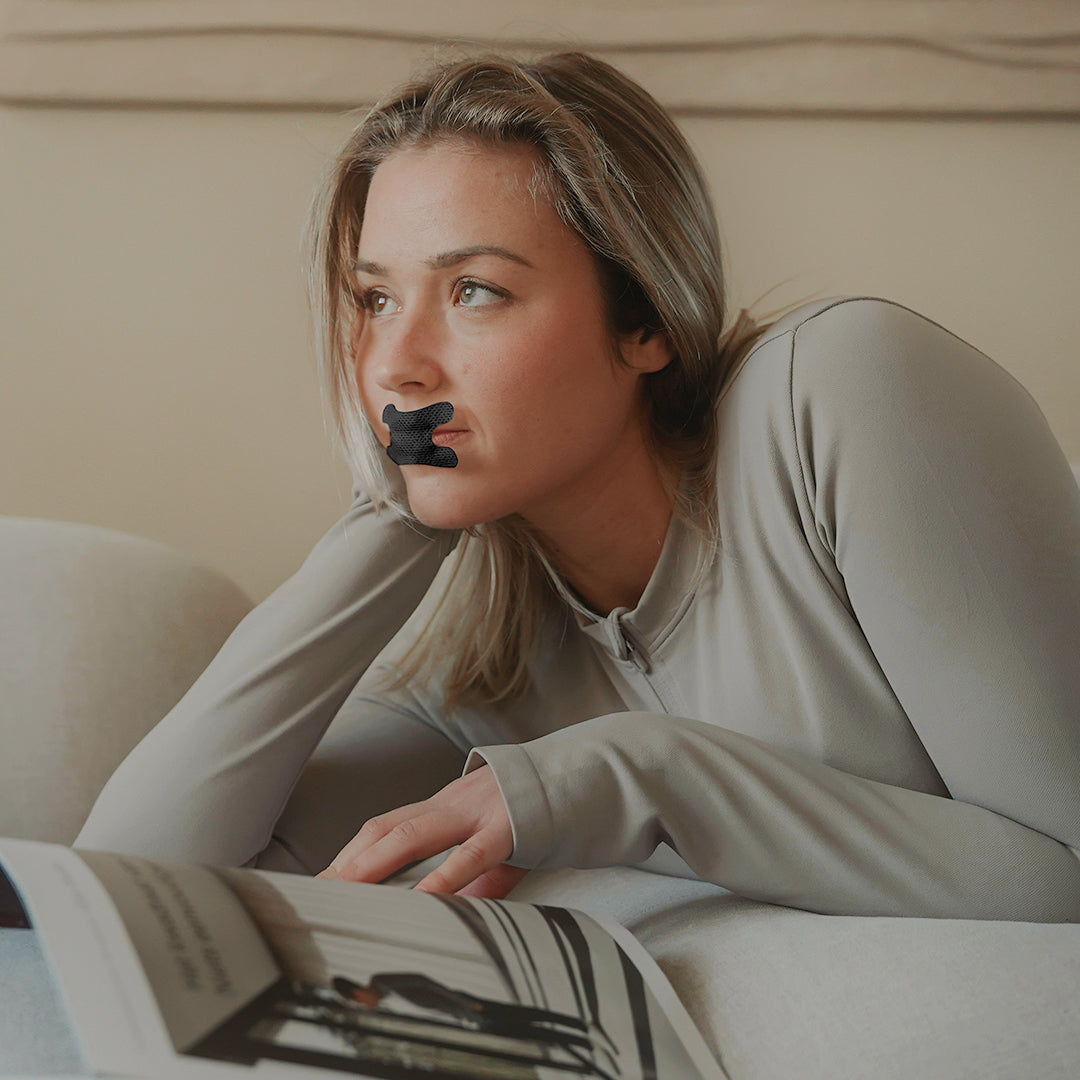
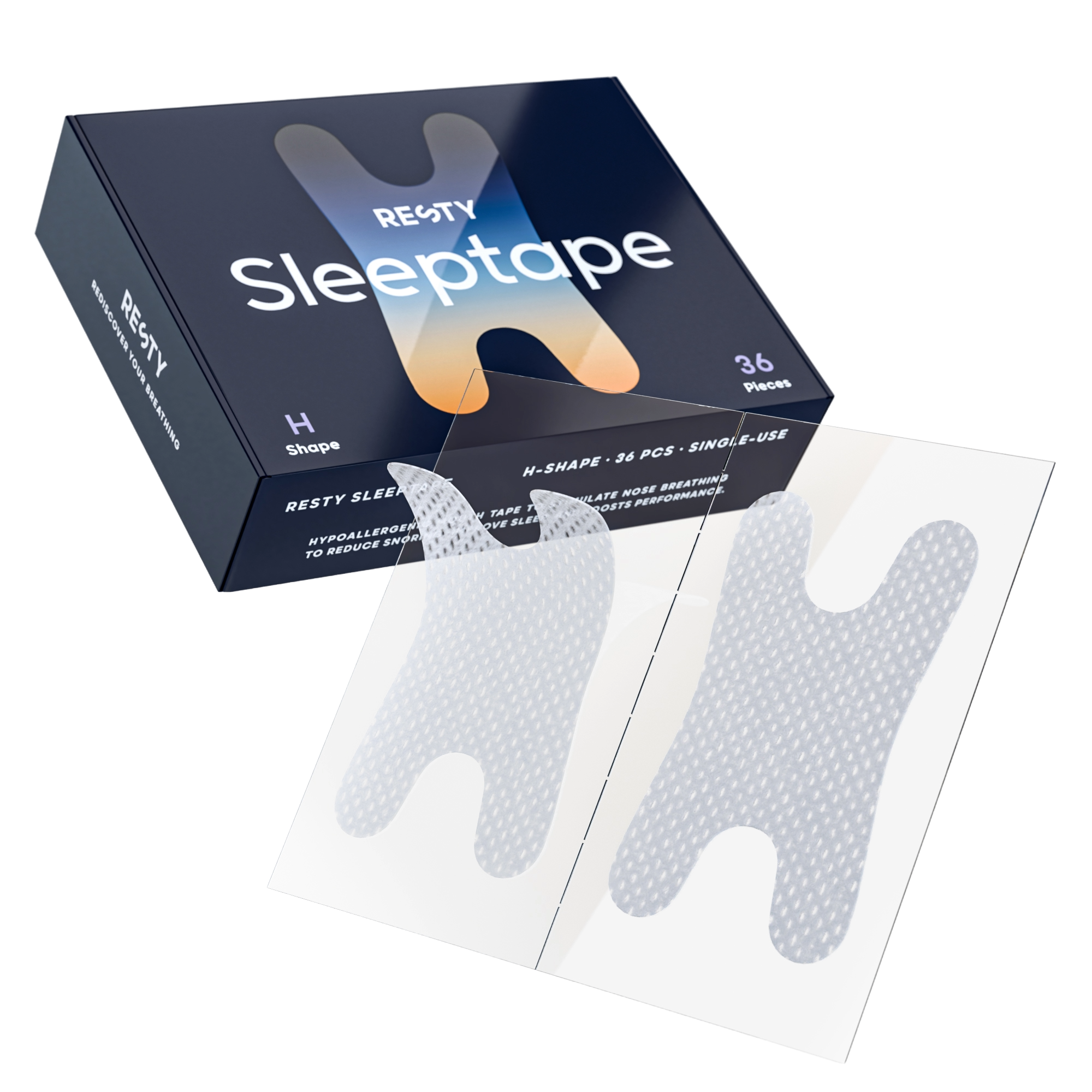
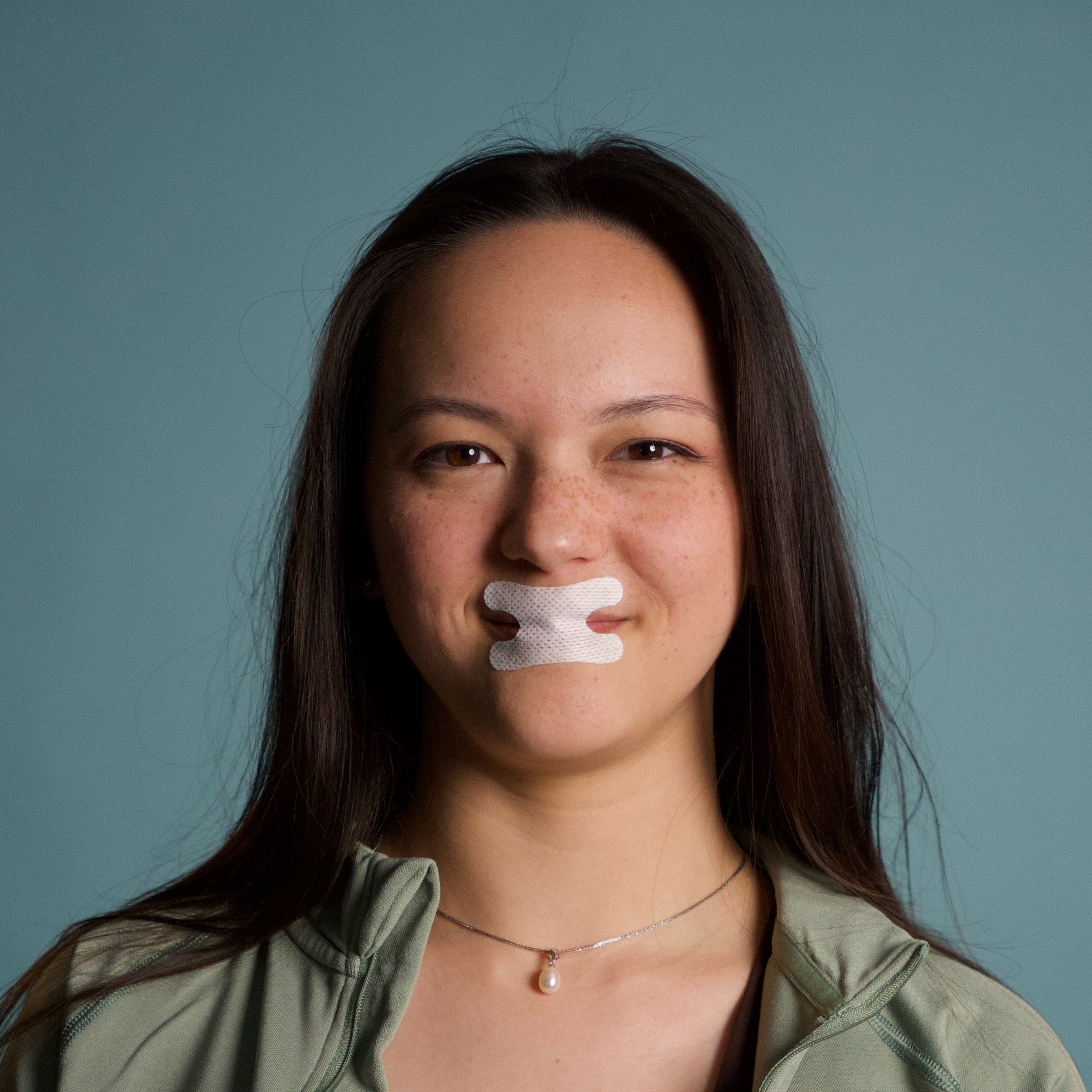
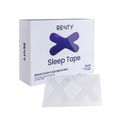
Mouth tape is optional and should never be used to force breathing through a blocked nose. The 2025 systematic review of mouth taping found limited evidence and highlighted risks when nasal obstruction is present. Treat the product as a cue for some adults, not as a medical treatment.
5. Move during the day
Regular movement can support general wellbeing and a stable sleep routine. Finish demanding exercise early enough that your body has time to settle if late training makes you alert. You do not need a perfect recovery stack; a walk, daylight and a consistent wind-down are often easier to repeat.
6. Treat caffeine and alcohol as experiments
Caffeine can stay active for several hours, while alcohol may make falling asleep feel easier but still disturb the rest of the night. Test your own timing for a week and compare how you feel the next morning. Avoid turning one difficult night into a rigid rule for every day.
7. Measure fewer things, more consistently
Track bedtime, wake time, awakenings, morning energy and one subjective sleep-quality score. Wearables can help you see patterns, but sleep-stage estimates are not a diagnosis. If a device makes you anxious about sleep, stop tracking for a week and return to how you actually feel.
What to leave out of a sleep biohack
- Do not stack multiple new supplements or devices at once.
- Do not use mouth tape when nasal breathing is blocked or uncomfortable.
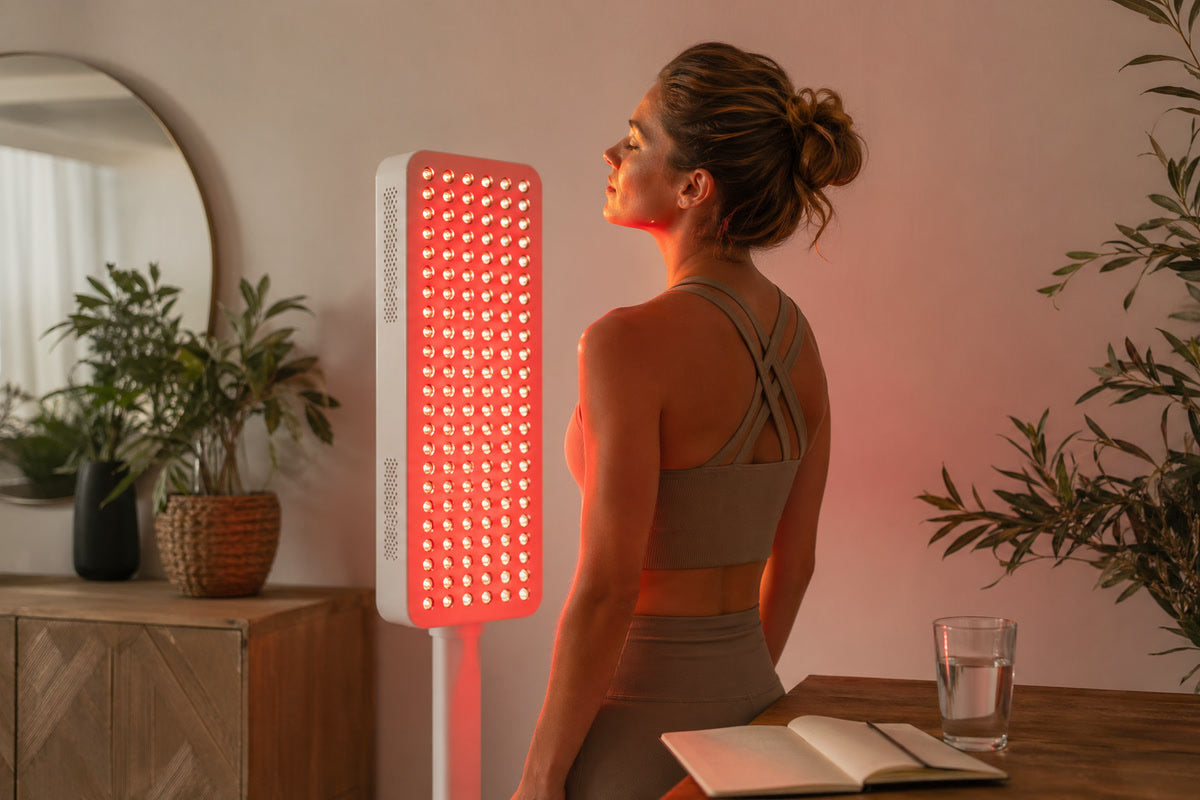
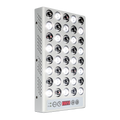
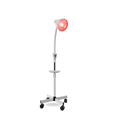
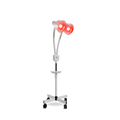
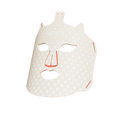
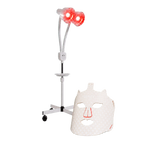
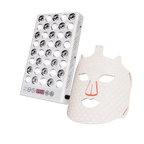
- Do not use red light, a sleep mask or a nasal strip to delay assessment of persistent symptoms.
- Do not judge a routine from one night or a single wearable score.
When to get help
Loud habitual snoring, gasping, witnessed breathing pauses, morning headaches or major daytime sleepiness deserve proper assessment. A sleep routine is useful support, not a substitute for checking a possible sleep disorder.
The best sleep biohack is the one that makes your evenings calmer and your mornings more predictable. Start with the basics, change one variable and keep the result honest.