What Size Red Light Therapy Panel Do You Need?
Choosing a red light panel is less about finding the biggest device and more about matching coverage to a routine you will actually repeat. A face mask, a compact panel and a full-body panel solve different setup problems. The useful comparison is area, instructions, output information, comfort and space, not the loudest number on a product page.
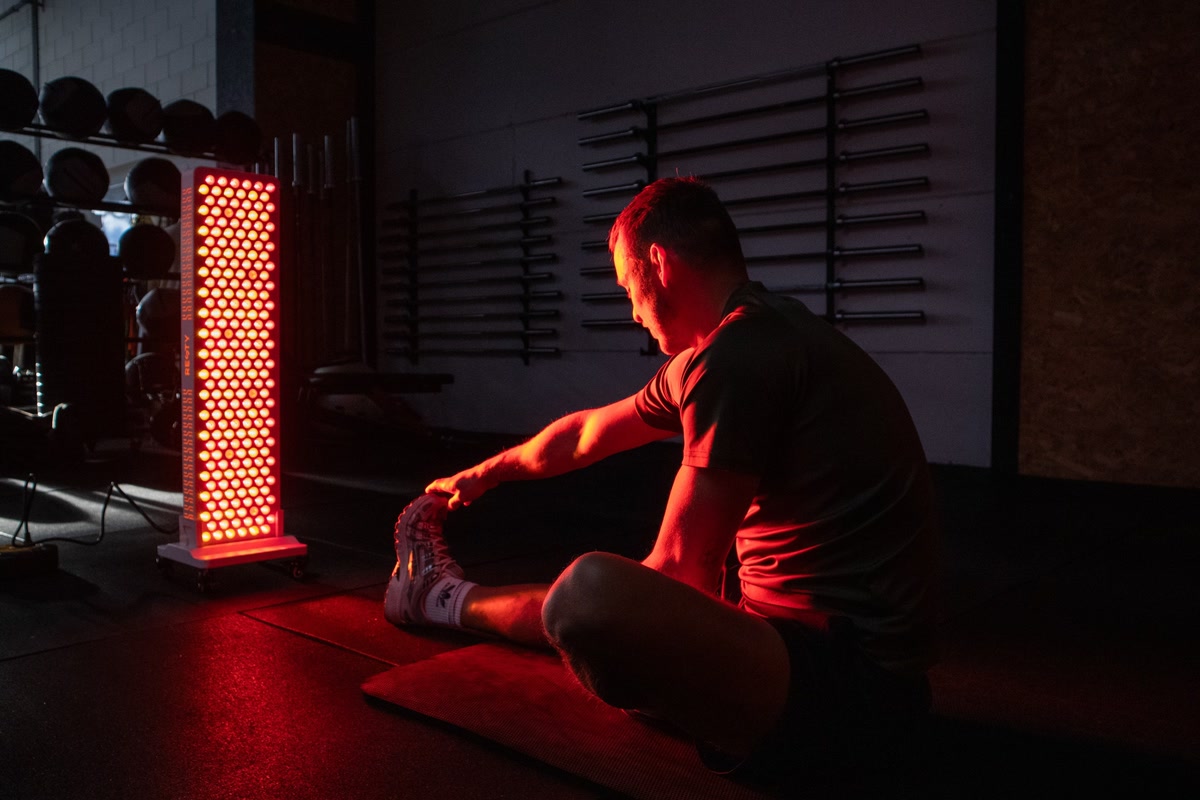
Choosing for a home gym or wellness room? Start with the area you will use most. A compact panel can suit one target area; a larger panel can reduce repositioning when you have a stable setup. There is no universal “best” size, and bigger is not automatically better.
Home gym or wellness room: a quick answer
- Face or one small area: choose a mask or compact panel that is easy to position at the distance in the manual.
- Shoulders, legs or one recovery zone: compare a medium panel when you want more coverage without giving up portability.
- Several areas or broader coverage: compare a larger panel only when you have safe storage, enough space and a routine you can repeat.
Start with the target area
Write down what you want to cover: face, a local muscle group, back, legs or several areas. A small device can work well for a local routine but takes more repositioning for larger areas. A larger panel reduces repositioning, but it needs more room and a setup that can be used safely.
Compare the specifications that matter
- Wavelengths: check the stated red and near-infrared ranges rather than assuming every device is equivalent.
- Output information: look for clear measurement conditions and the distance used for any irradiance figure.
- Coverage: know how much of the intended area is illuminated at the recommended position.
- Controls: timers, separate channels and clear instructions make consistent use easier.
- Safety and warranty: read eye guidance, heat information, contraindications and support terms before buying.
Photobiomodulation research uses different devices, protocols and outcomes. A study on one wavelength or dose cannot automatically prove that another panel will create the same result. Recent reviews of at-home LED devices and photobiomodulation in injured athletes show why protocol details matter.
Distance and session time
Follow the manufacturer's stated distance and session length for the exact device. Light intensity changes with distance, but there is no universal “ten centimetres equals” rule that applies to every panel. If a specification does not explain how output was measured, treat the number cautiously.
More time is not automatically better. Start conservatively, avoid uncomfortable heat and change only one part of the routine at a time. Protect your eyes as instructed and do not stare into bright LEDs.
Which size fits common routines?
Face and skincare
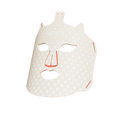
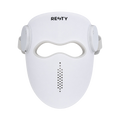
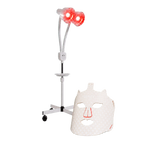
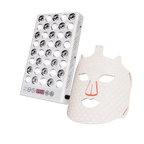
A mask or small panel is usually easier to position for a face-focused routine. The MARS100 LED face mask is designed for targeted use. Follow its instructions and stop if light, heat or skin contact feels uncomfortable.
One recovery area
A compact panel can suit a shoulder, knee or lower-leg routine when you can keep the area and distance consistent. Repositioning is fine, but record what you actually did if you want to compare outcomes.
Broader coverage
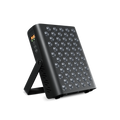
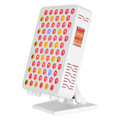
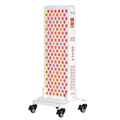
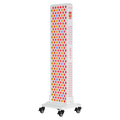
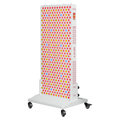
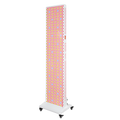
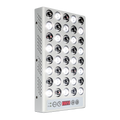
A larger panel makes broader coverage more practical, provided you have a stable setup and enough room. The MARS 800 panel is the format to compare when coverage matters more than portability.
Questions to ask before buying
- Can I store and position it without creating a daily obstacle?
- Does the manual state the recommended distance and session time?
- Can I see the wavelengths and output information clearly?
- What eye and skin precautions apply to me?
- What outcome will I track, and how long am I willing to use the routine consistently?
The right panel is the one that fits the target, the space and the instructions. Coverage can improve convenience, but it cannot guarantee a medical or cosmetic result.