




Breathing through your nose is the body’s natural default at rest. The nose does more than move air: it filters, warms and humidifies each breath before it reaches the lungs. Practising nasal breathing can also encourage a slower, more controlled breathing rhythm.
Why the nose is built for breathing
Nasal hairs and the moist lining of the nose help capture particles from incoming air. The nasal passages also warm and humidify that air, which can make each breath feel more comfortable before it reaches the lower airways.
Mouth breathing can be useful when airflow demand is high or the nose is blocked. At rest, however, nasal breathing usually offers the nose’s built-in filtering and conditioning functions.
A calmer, more controlled breathing rhythm
The narrower nasal passages naturally create more resistance than an open mouth. For many people, that makes it easier to slow the breath and use the diaphragm more deliberately instead of taking quick, shallow breaths.
This does not mean every breath needs to be forced through the nose. Comfort matters. Build the habit gradually and never ignore breathlessness, pain or persistent congestion.
Nose breathing during sleep
During sleep, a freely open nose can support quieter and more comfortable breathing. Some people also notice less dry mouth when they breathe through the nose at night. Results vary, and nasal breathing products do not diagnose or treat snoring or sleep apnoea.
If loud snoring, gasping, pauses in breathing or daytime exhaustion keep returning, speak with a healthcare professional. Those signs deserve proper assessment rather than a home workaround.
Nose breathing during exercise
During low to moderate intensity movement, nasal breathing can act as a natural pace check. It may help you keep the rhythm controlled during walking, easy running, yoga or warm-up work.
Hard efforts often require breathing through both the nose and mouth. Treat nasal breathing as a training tool, not a rule. Reduce the intensity if you feel dizzy or unusually short of breath.
Focus and cognitive activity
Breathing patterns interact with the nervous system, and research continues to explore how nasal respiration relates to brain activity. One published study found that nasal respiration can influence activity in brain regions involved in emotion and memory.
The practical takeaway is simple: a few quiet nasal breaths can be a useful reset before focused work. It is a routine, not a guaranteed performance boost.
How to build the habit
Start when the stakes are low. Notice your breathing while reading, walking or winding down before bed. Keep the lips relaxed, let the tongue rest gently against the roof of the mouth and allow the abdomen to move without forcing the breath.
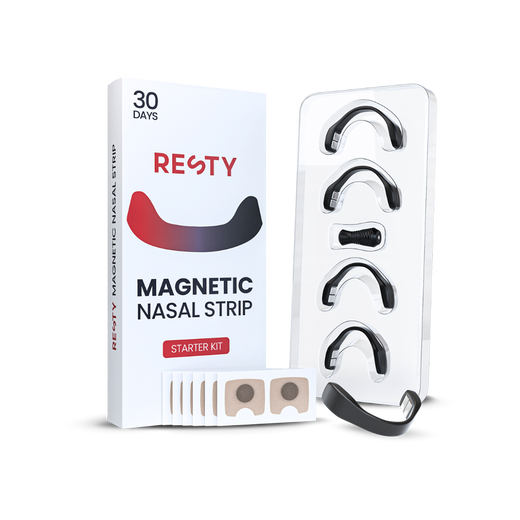
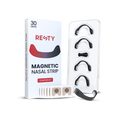
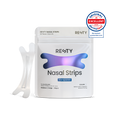
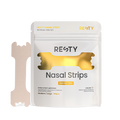
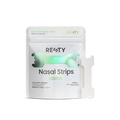
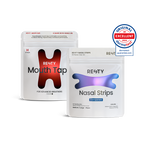
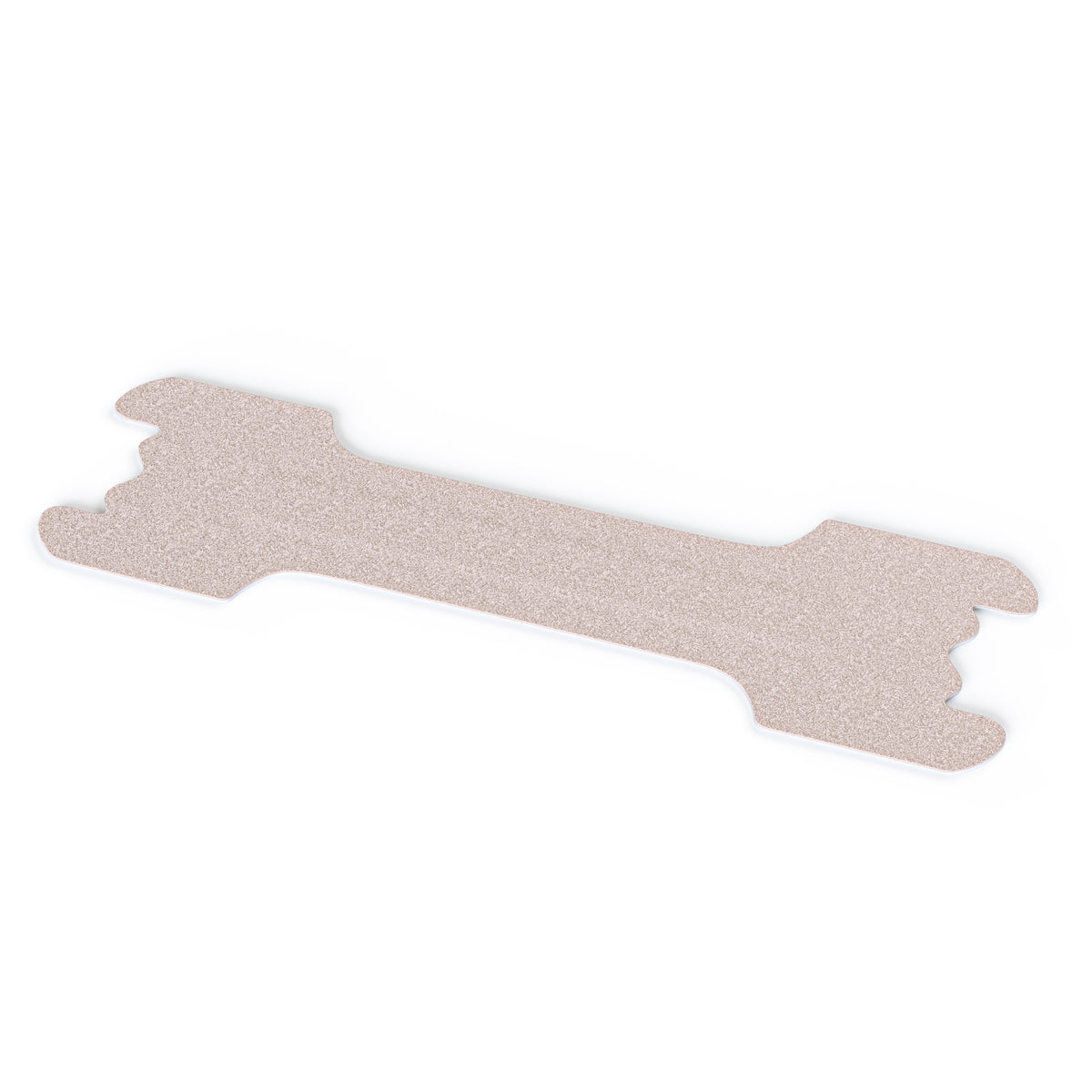
If the nose feels restricted, address the cause first. External nasal strips may make the airflow feel more open for some people, but fit and experience differ from person to person.
Make nasal breathing work for you
Consistency matters more than perfection. Choose one familiar moment each day, such as a short walk or the first ten minutes in bed, and use it as your reminder to return to comfortable nasal breathing.
Sources and further reading
The Effect of Breathing on Human Brain Activity, Healthcare, 2021.
A practical safety note
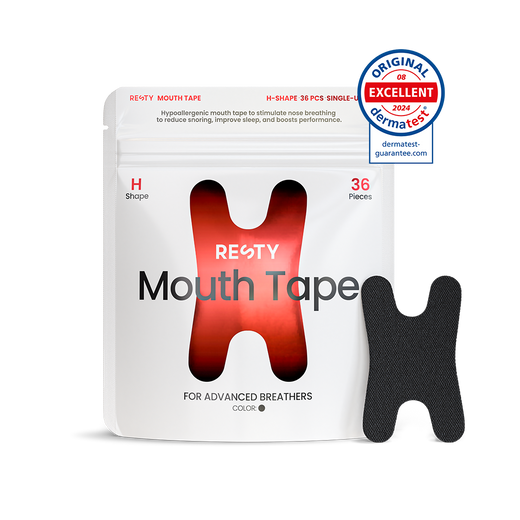
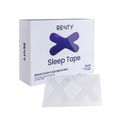
Do not use mouth tape if you cannot breathe freely through your nose. If you have diagnosed sleep apnoea, another breathing condition or recurring nighttime symptoms, ask a healthcare professional before trying breathing products.
Educational information only. This page is not a substitute for medical advice.