
















Sleep and Breathing for Older Adults: Gentle, Safe Guide
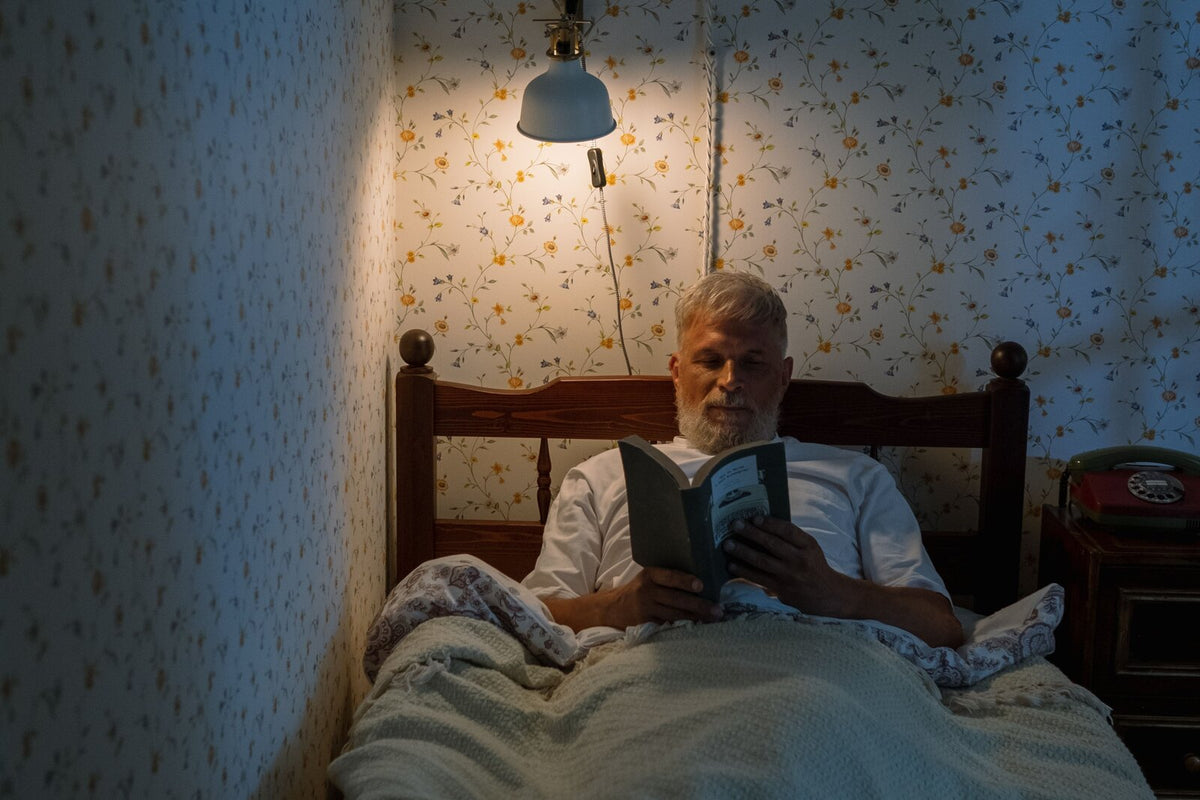
Sleep often changes across adulthood. Some people notice lighter sleep, earlier waking, more awakenings or a different bedtime. These changes are common, but loud snoring, gasping, breathing pauses and severe daytime sleepiness should not be dismissed as “just ageing.”
Why sleep may feel different
Health conditions, medication, pain, mood, mobility, caregiving, bathroom trips and changes in the sleep-wake rhythm can all affect sleep. A new pattern deserves context rather than a generic age-based promise. Talk with a clinician or pharmacist if medication or symptoms may be involved.
Breathing and snoring
Nasal congestion can make mouth breathing feel easier, while sleep apnoea can cause snoring, gasping and fragmented sleep. An external nasal strip may make the front of the nose feel more open, but it does not treat the deeper airway or sleep apnoea.
Mouth tape should not be started casually when there is snoring, a blocked nose, breathing discomfort or a history of airway problems. Ask a qualified professional before trying a product if you have symptoms or a diagnosis.
A practical evening routine
- Keep lights and demanding tasks lower in the final part of the evening.
- Use a familiar wind-down rather than experimenting with several products.
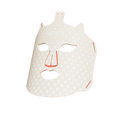
- Keep the room dark and comfortable; a sleep mask may help during travel or in a bright room.
- Track one concern, such as awakenings or dry mouth, without turning sleep into a performance score.

When to seek assessment
- Loud habitual snoring, gasping or witnessed pauses.
- Severe daytime sleepiness or unrefreshing sleep.
- A sudden change in sleep, confusion or falls.
- Persistent nasal blockage, pain or breathing difficulty.
Good sleep support should be gentle and individual. When symptoms suggest a sleep disorder, assessment is more valuable than a stronger product.

Written by David Veth