






The Science of Nose Breathing: What We Know
Nose breathing is the normal route for quiet breathing at rest, but that does not make every claim about it true. The nose filters, warms and humidifies incoming air, while the mouth provides a useful alternative when demand is high or the nose is obstructed. The practical goal is comfortable breathing, not forcing one route in every situation.
What the nose does
The nasal passages add resistance that helps slow and condition airflow. Mucus and tiny hairs help trap particles, and the tissues can swell or shrink in response to irritation, allergies and temperature. The result is useful biology, but not a fixed percentage of filtration or oxygen improvement for every person.
The sinuses also contribute nitric oxide to inhaled air. That is one part of nasal physiology; it should not be turned into a promise that nasal breathing raises oxygen delivery or changes sleep stages on demand.
Nasal breathing during sleep
Mouth breathing at night can be associated with dry mouth and may occur when the nose feels blocked. The cause might be a cold, allergy, anatomy, medication or sleep-disordered breathing. A strip can support the outside of the nose, but it cannot assess or treat the whole airway.
Research on nasal dilators is mixed. A systematic review found better nasal breathing but no reliable improvement in objective obstructive sleep apnoea outcomes. See the nasal dilator review and this overview of the nose in sleep apnoea.
Nasal breathing during exercise
Nasal breathing can be comfortable during easy movement and may help you notice your pace. As effort rises, let your mouth open when you need more airflow. Do not use mouth tape during exercise.

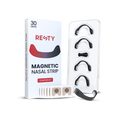
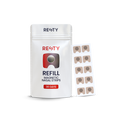
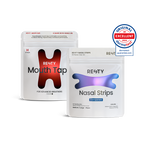
Magnetic nasal strips support the outside of the nose while leaving the mouth free. They cannot remove every obstruction or guarantee better performance. Choose a comfortable training pace and stop for dizziness, distress or unusual breathlessness.
When mouth tape is the wrong tool
Do not use mouth tape when your nose is blocked, breathing feels uncomfortable, you are ill or you have suspected untreated sleep apnoea. The 2025 systematic review of mouth taping found limited evidence and highlighted potential harm when nasal obstruction is present.
A practical way to improve nasal comfort
- Notice whether congestion is occasional or persistent.
- Use appropriate advice for allergies, colds or ongoing obstruction.
- Try an external nasal strip only when the skin is healthy and the product feels comfortable.
- Use mouth tape, if at all, only as an optional adult cue after nasal breathing is clearly comfortable.
- Get assessed for loud snoring, gasping, breathing pauses or persistent daytime sleepiness.
Nasal breathing is worth supporting because comfort matters. It is not a shortcut around diagnosis, training fundamentals or individual anatomy.
Explore comfortable nasal breathing
See the nasal strips collection and the natural breathing guide for the next practical step.

Written by David Veth