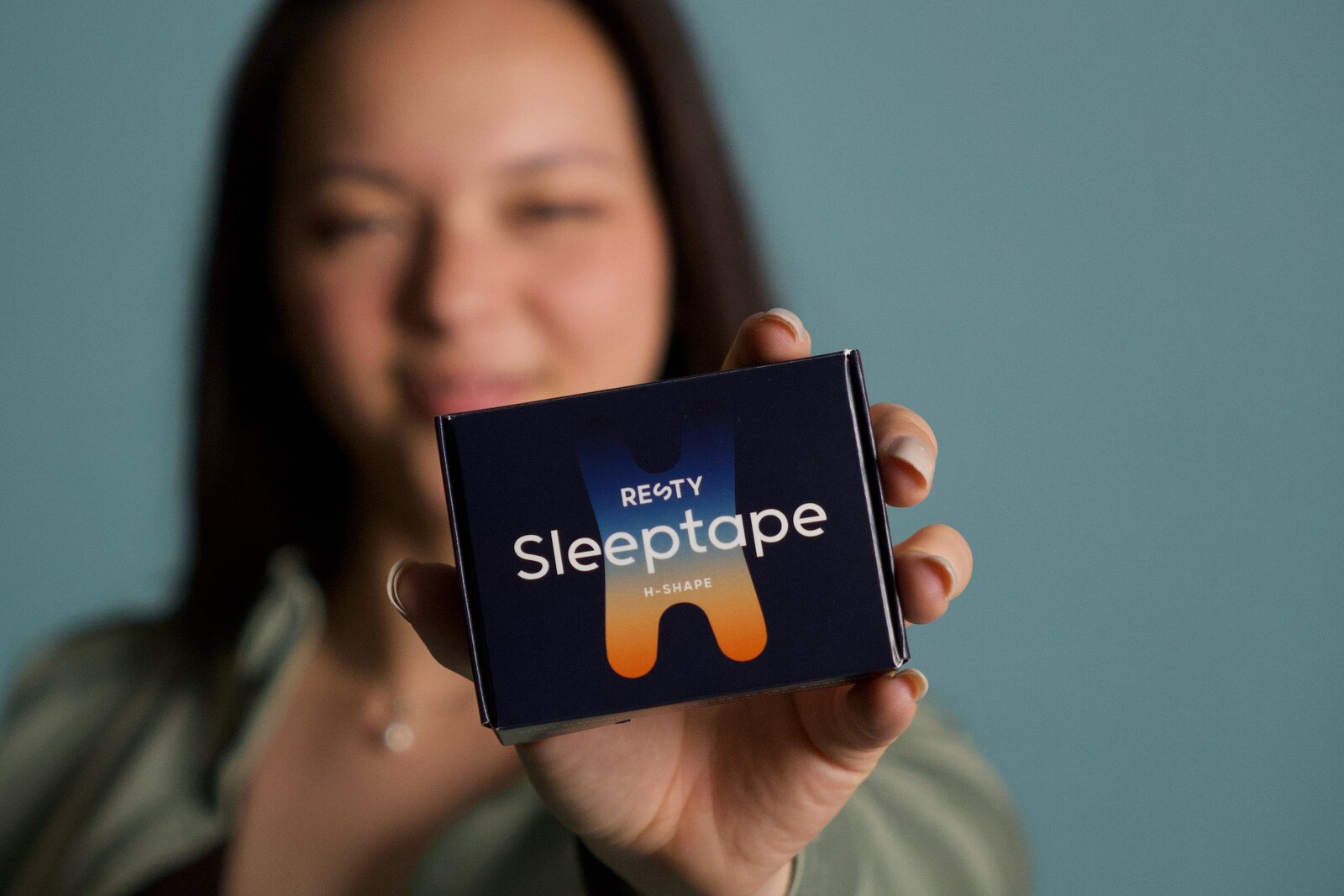



Mouth Taping Benefits for Sleep: What to Expect & Safety
Mouth taping for sleep is usually tried for a simple reason: someone notices open-mouth breathing, dry mouth or snoring and wants a small cue to keep the lips together. That intention is understandable, but a strip cannot diagnose why someone is breathing through the mouth or guarantee better sleep.
What someone may notice
Some adults report a different airflow sensation or less mouth dryness when nasal breathing is comfortable. A personal impression is useful feedback about comfort, not proof that oxygen, sleep stages or the cause of snoring changed.
If the tape comes off, the skin feels sore or the sensation makes you anxious, that is a reason to stop or adjust, not a sign that you need stronger adhesive.
What research can and cannot show
The 2025 systematic review of mouth taping found a small and mixed evidence base. Several studies excluded people with nasal obstruction, and the review described potential harm when the trend is applied indiscriminately. This is not evidence for a universal sleep benefit.
A cautious starting checklist
- Breathe comfortably through your nose while awake.
- Do not use it during illness, congestion or a night when breathing feels difficult.
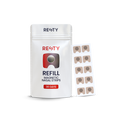
- Use a product made for the area and test it while awake first.
- Apply to clean, dry, intact skin and remove gently.
- Stop for air hunger, panic, pain, rash or persistent irritation.

When a sleep assessment matters more
Loud snoring, gasping, choking, witnessed breathing pauses, morning headaches or severe daytime sleepiness can point to a sleep-related breathing problem. Do not use tape to cover those signals. Speak with a qualified professional about the right next step.
Better sleep is usually built from several ordinary habits. If mouth tape is part of the routine at all, it should be comfortable, optional and easy to stop.
Read the next safety step
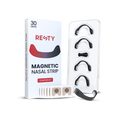
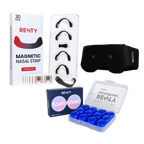
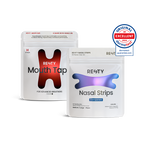
Compare the mouth-tape range and learn about nasal strips before changing your sleep routine.