
















Sleep for Busy Professionals: Practical Strategies
Busy workdays make sleep easy to postpone and hard to protect. The answer is rarely one productivity hack. A more reliable approach is to build a small sleep system around timing, light, workload, food, movement and a wind-down you can repeat when the calendar is full.
1. Put sleep on the calendar
Work backwards from the time you need to wake. Keep the wake time reasonably stable and move the schedule gradually after travel or late deadlines. Avoid borrowing from every night to finish one more task; the trade-off often appears as poorer concentration and mood the next day.
2. Use the first part of the day well
Get outdoor light and some movement early when possible. In the evening, dim the room and make screens less stimulating if they keep you alert. These are simple environmental cues, not a guarantee that everyone will fall asleep at a fixed time.
3. Create a short shutdown ritual
Write down open tasks, decide what can wait and choose one calm activity. A shower, light reading, stretching or a few minutes of comfortable breathing can help create a boundary between work and bed. Do not turn the ritual into another performance test.
4. Test caffeine and meal timing
Caffeine sensitivity differs, so try moving the final coffee earlier if falling asleep is difficult. Keep late meals familiar and moderate if digestion disturbs you. Alcohol may make sleep onset feel easier while still worsening sleep or snoring for some people.
5. Make travel less disruptive
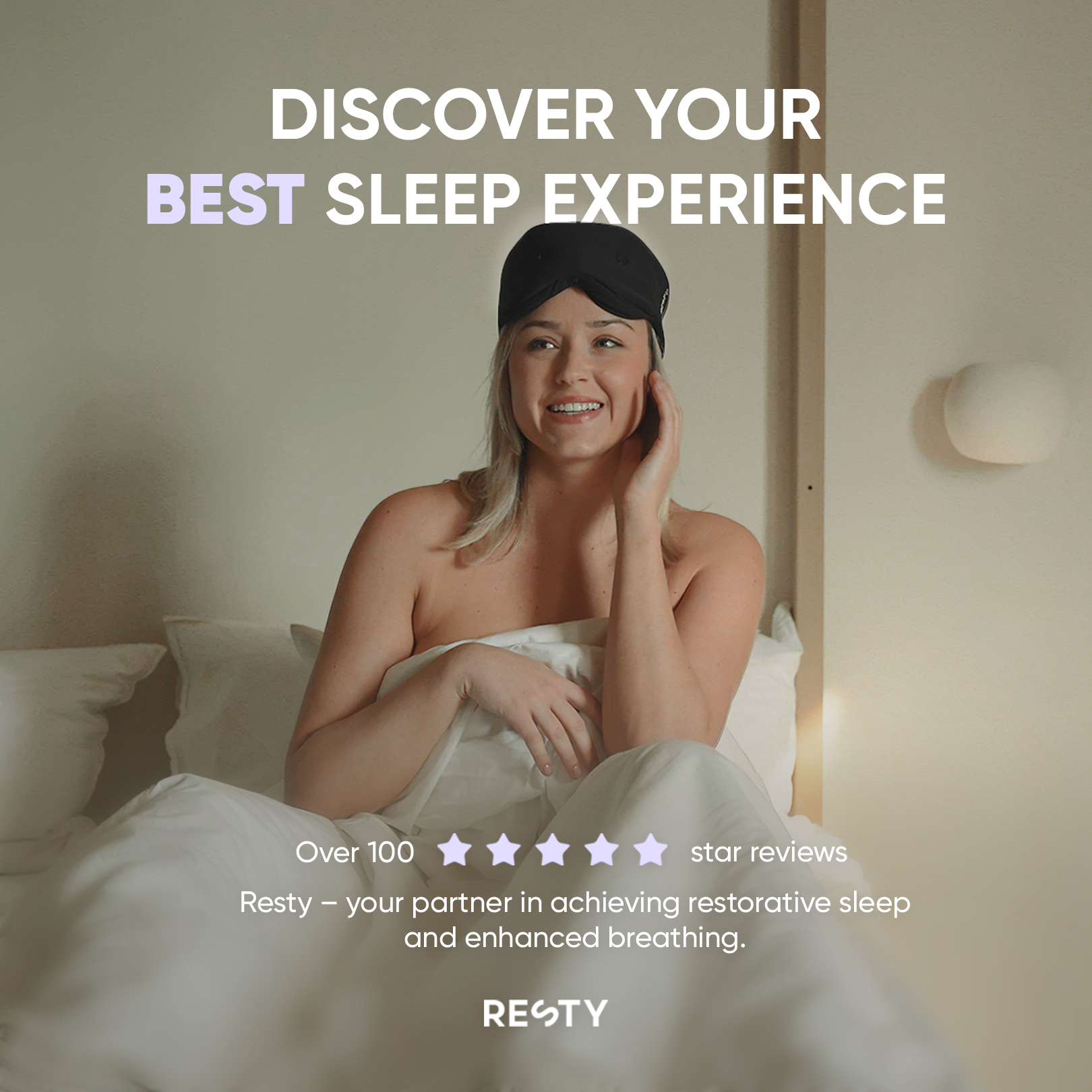
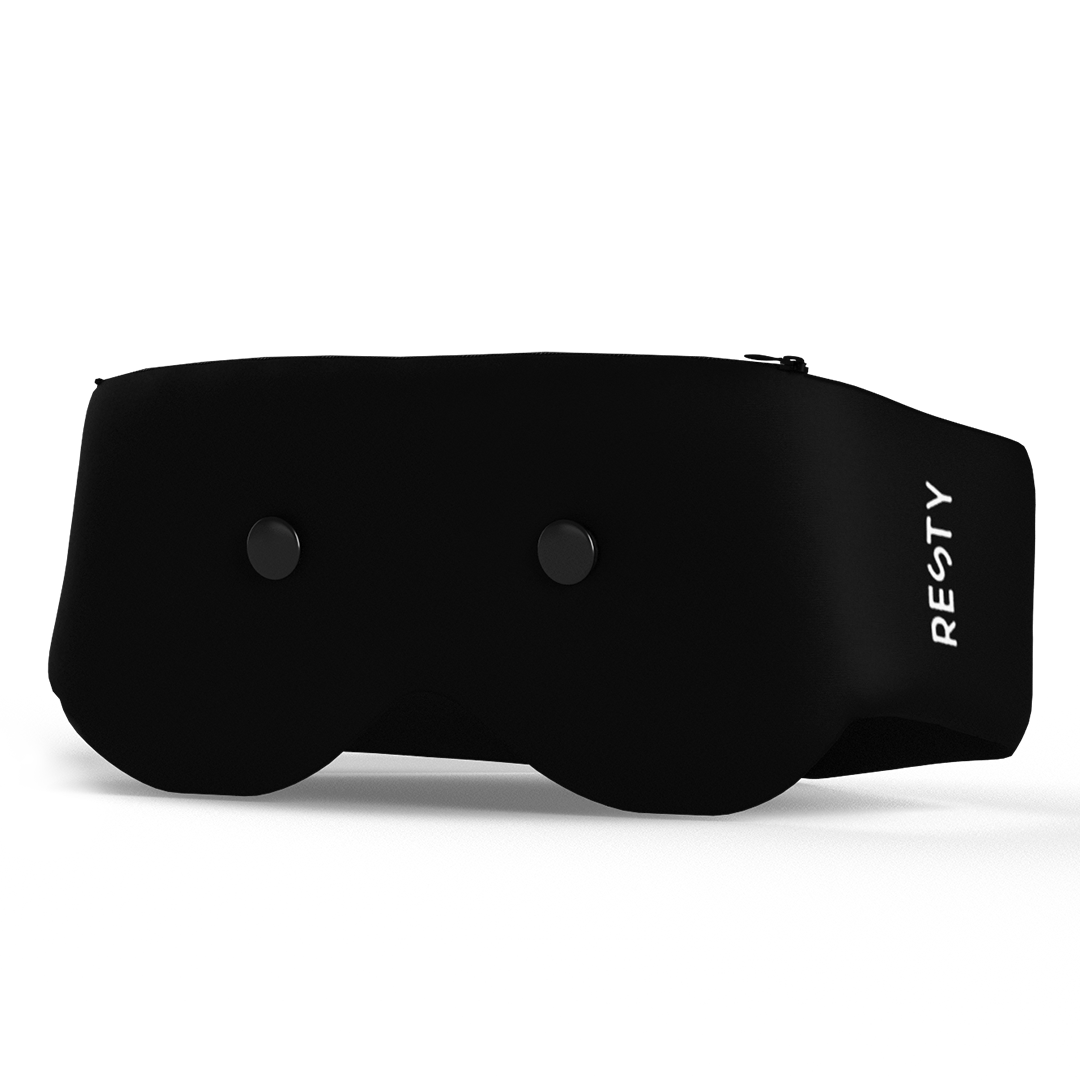
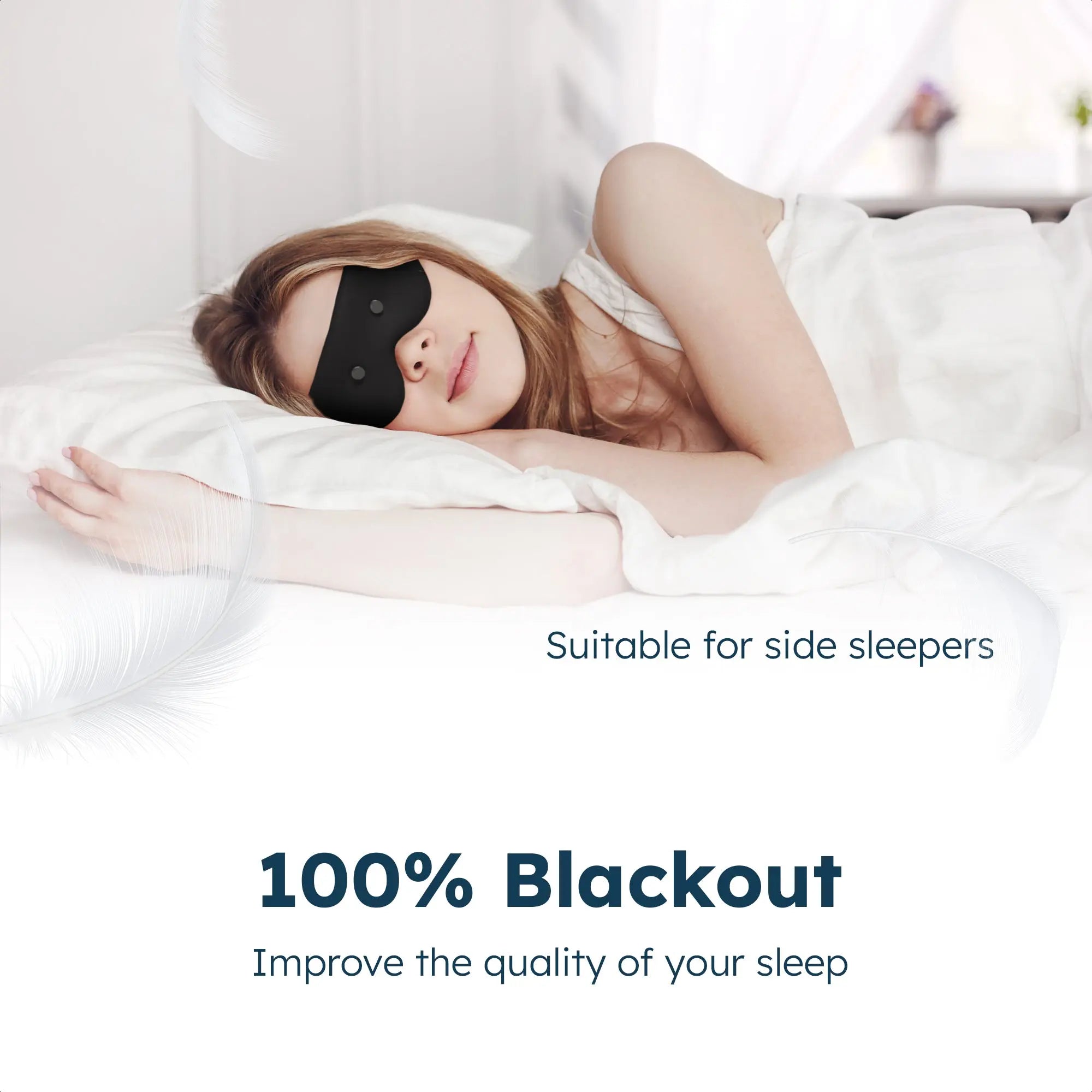
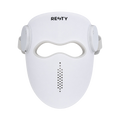
Pack the basics you can repeat: an eye mask, comfortable earplugs if appropriate, a familiar wind-down and a plan for light exposure. The Resty sleep mask can help when a hotel or flight is not dark enough.
6. Treat breathing products carefully
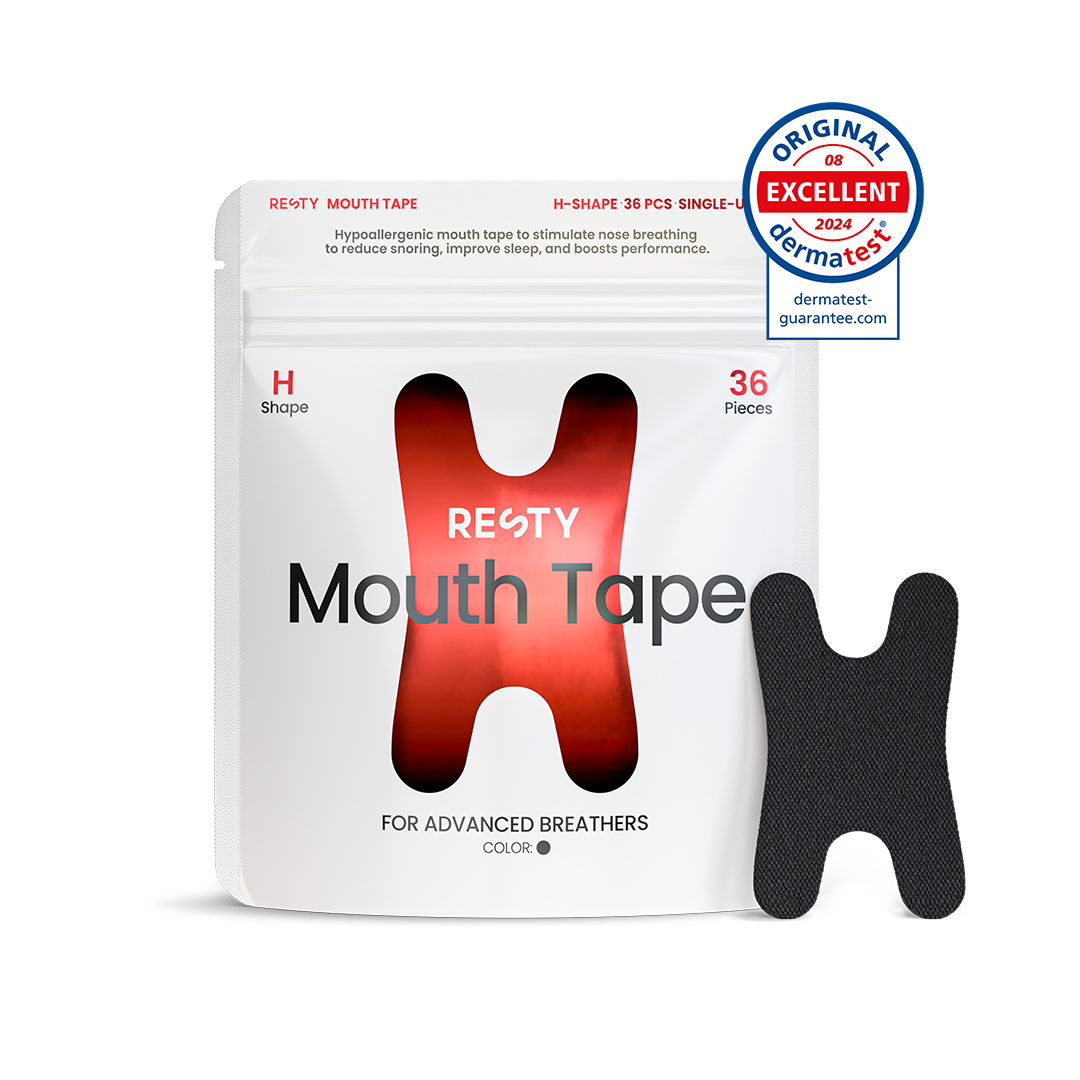
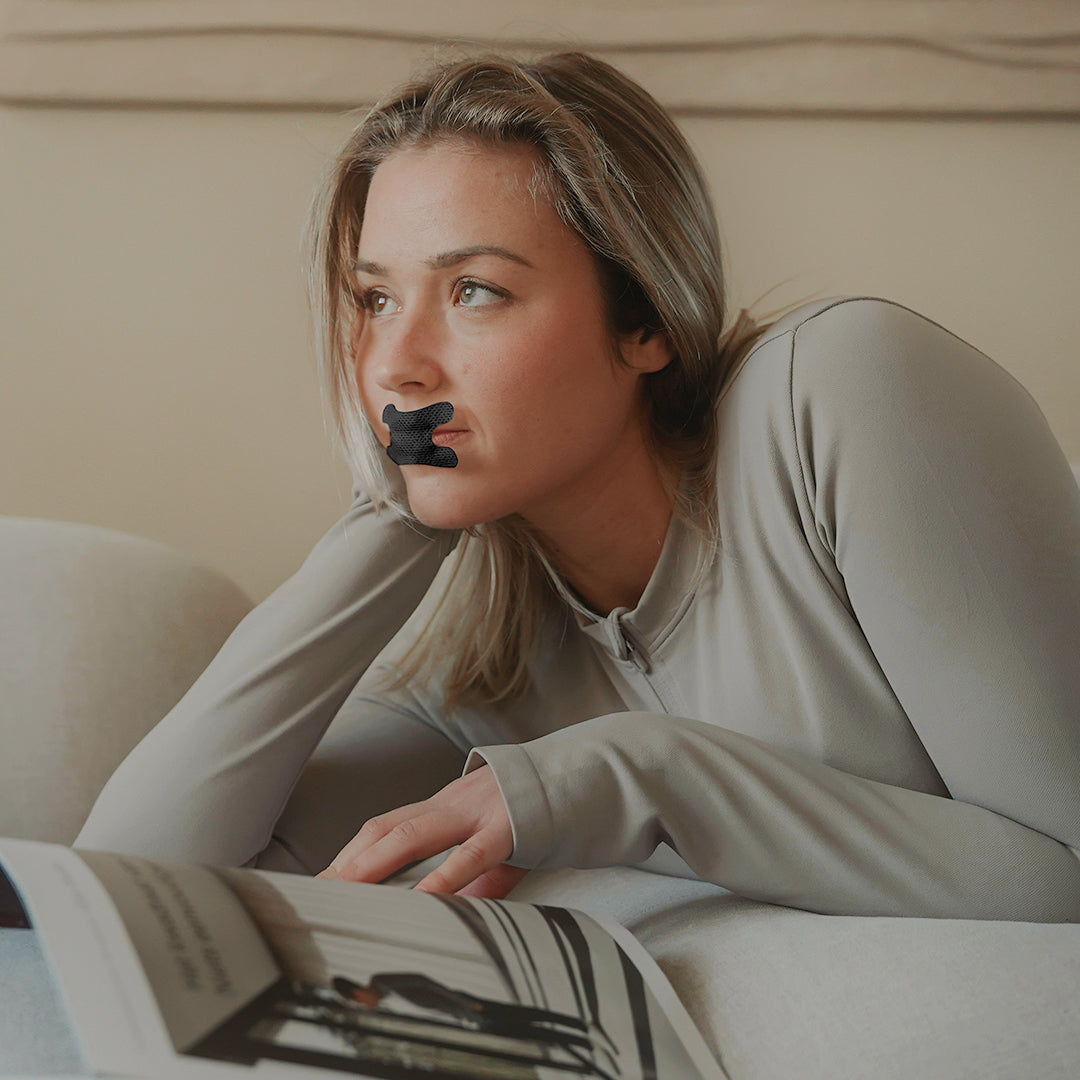
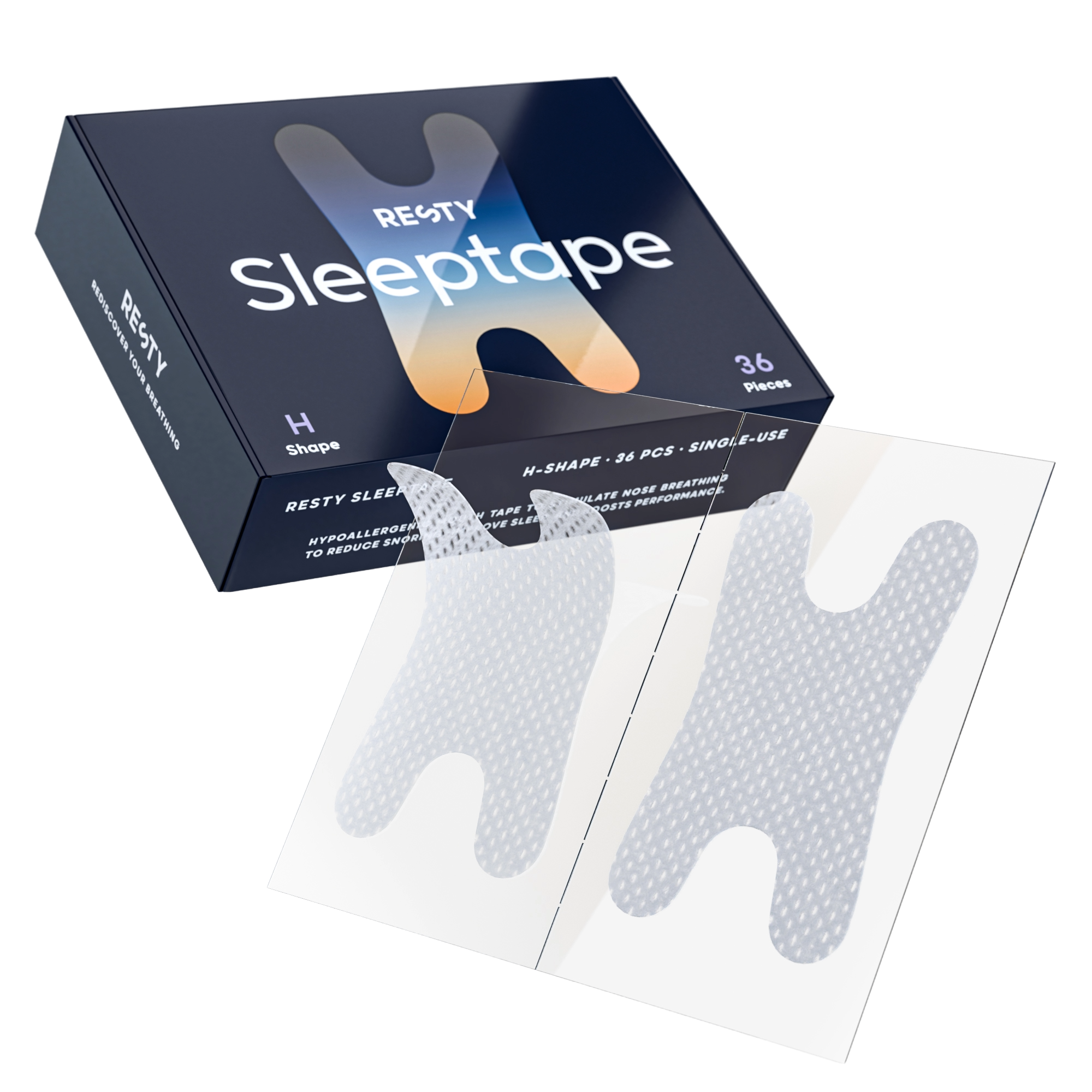
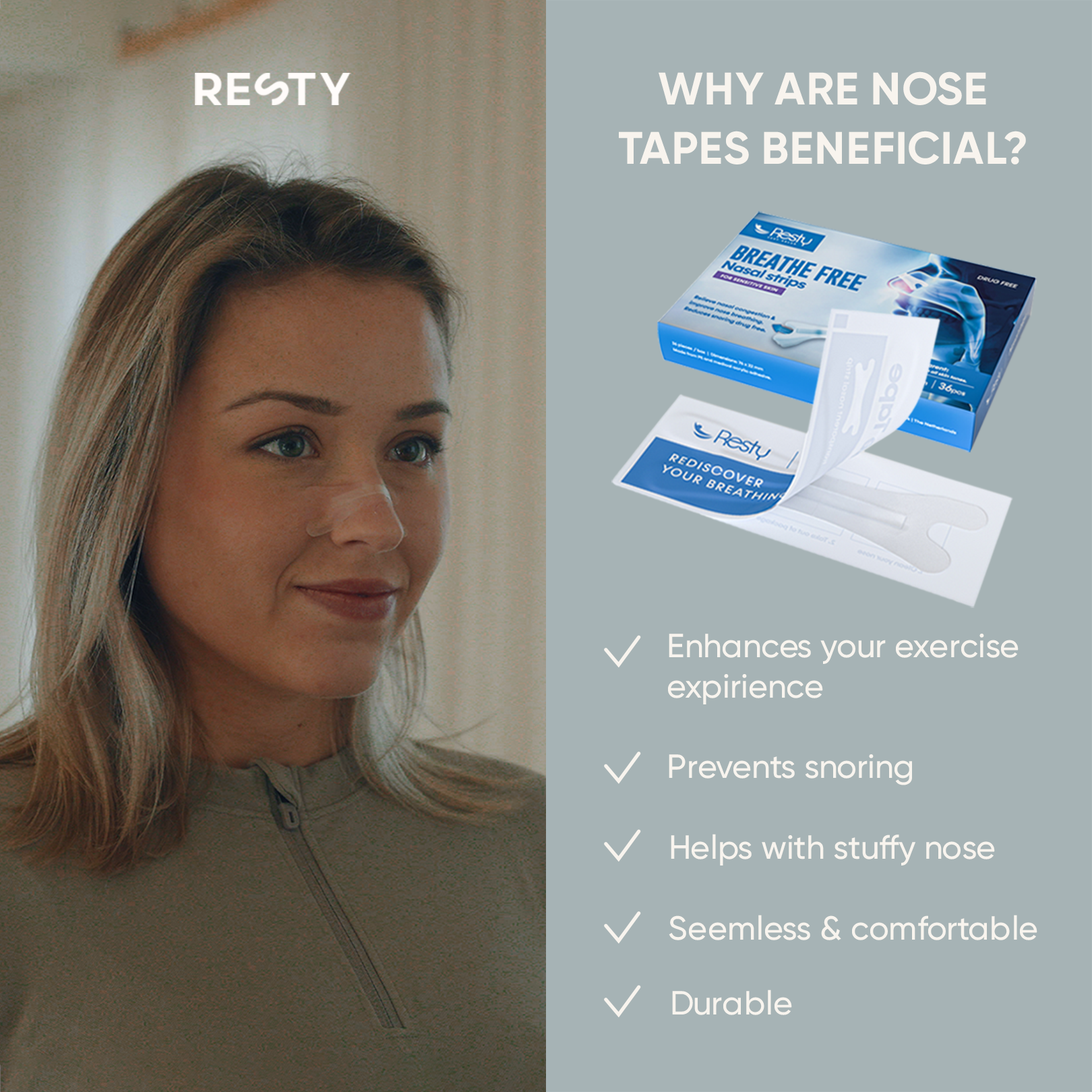
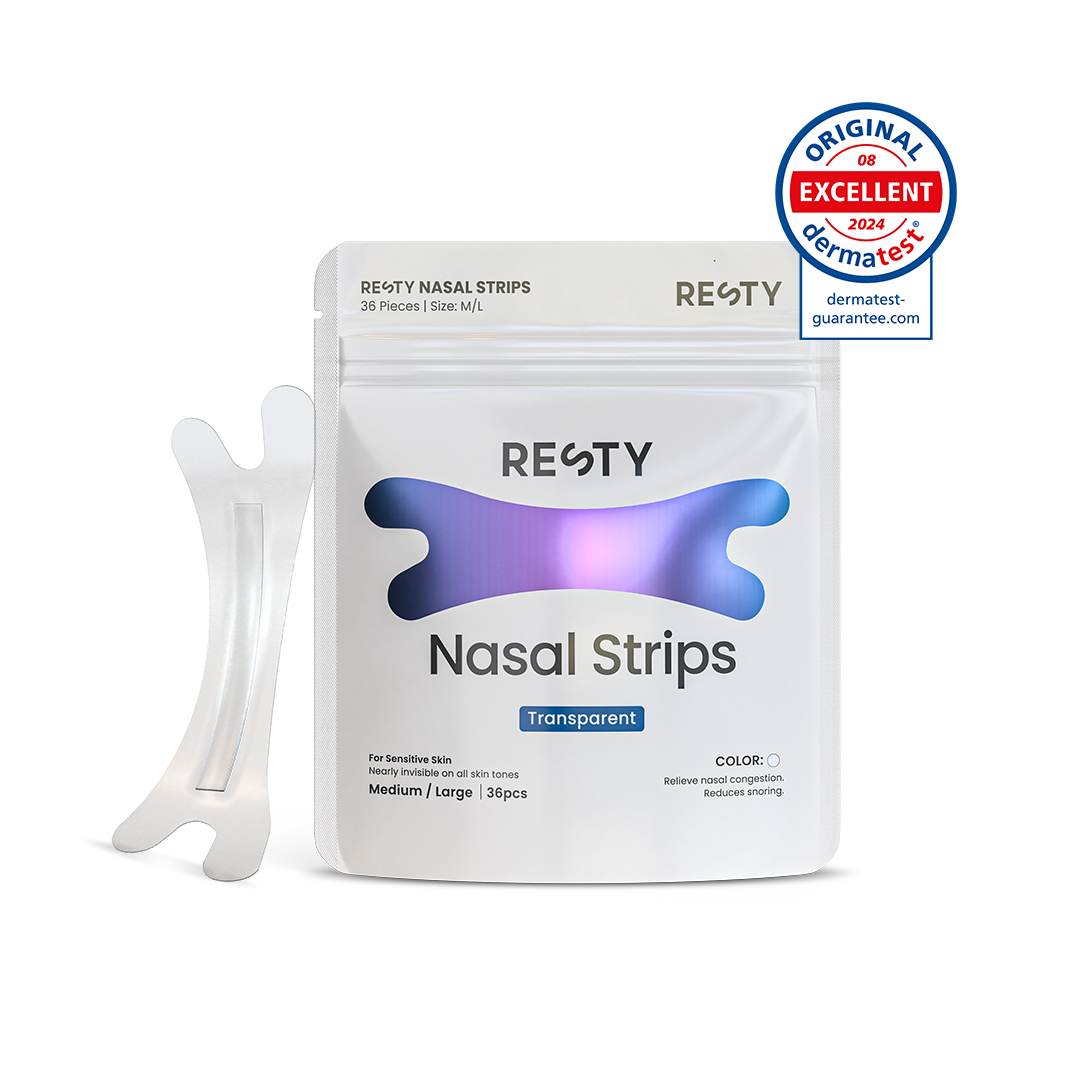
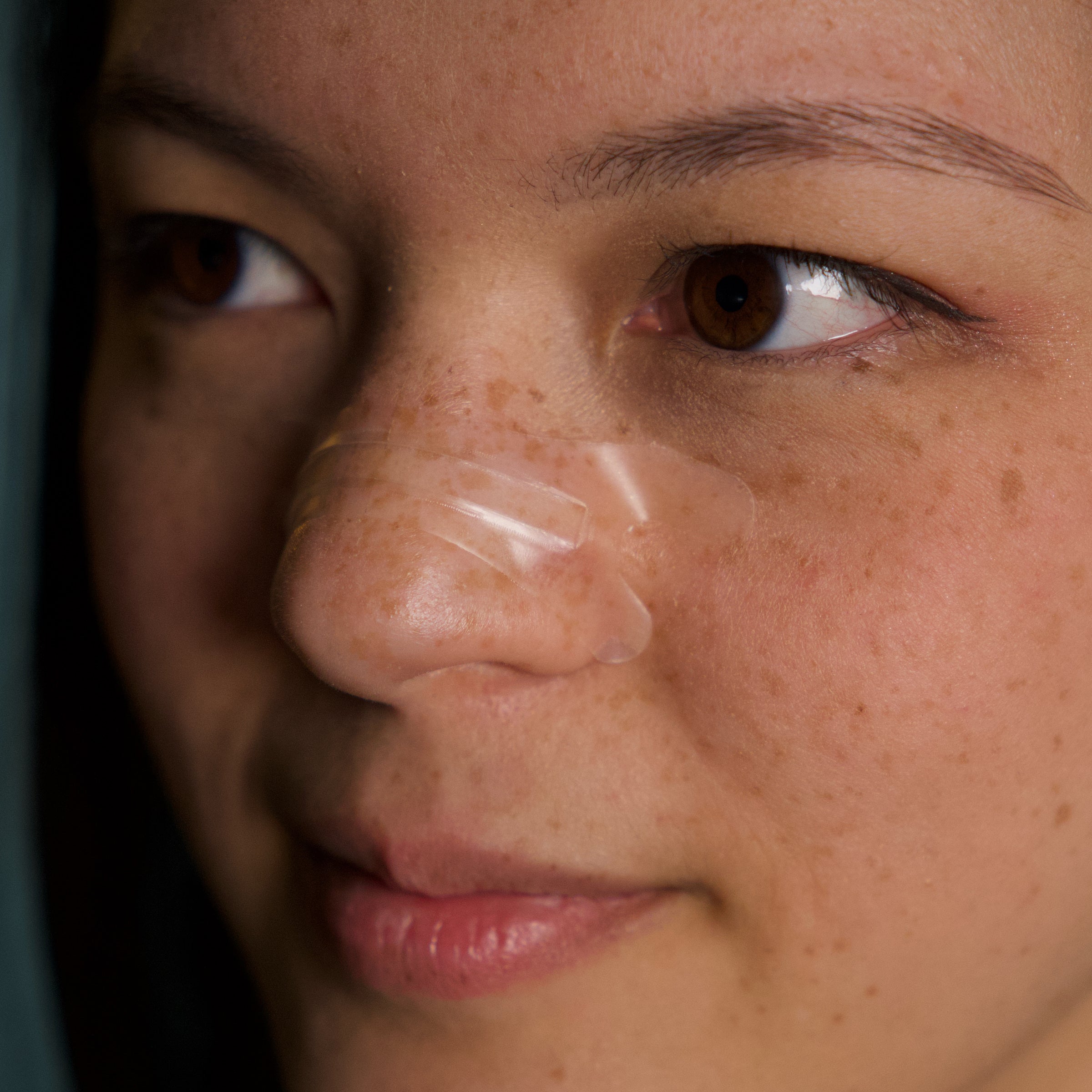
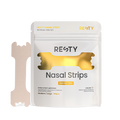
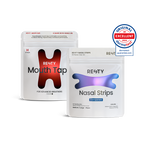
A nasal strip may make the front of the nose feel more open. Mouth tape is optional and should never be used when the nose is blocked or when snoring includes gasping or breathing pauses. A product cannot replace a sleep assessment.
The useful goal is not perfect sleep. It is a protected opportunity, a calmer transition and enough consistency to notice what actually helps you.

Written by David Veth