

How to Use Mouth Tape for Sleep: 6 Safe Steps
To tape your mouth for sleep, first check while awake that you can breathe comfortably through your nose; if you cannot, do not use mouth tape that night. Then clean and dry the skin around your lips, choose a gentle strip made for the mouth area, practise wearing it briefly while reading or relaxing, apply it flat on relaxed lips just before sleep and peel it off slowly in the morning.
Some adults use a purpose-designed strip as a gentle cue to keep the lips together when nasal breathing is clear and comfortable. The routine should always be optional, easy to remove and easy to stop.
1. Check nasal breathing while awake
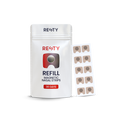
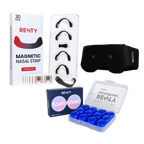
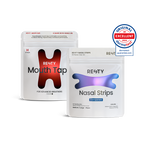
Sit calmly and breathe through your nose for a few minutes. If you need to open your mouth, feel air hunger or become anxious, do not use mouth tape that night. External nasal strips can make the front of the nose feel more open for some people, but they do not treat every obstruction or sleep disorder.
2. Prepare the skin
Wash away oil, makeup, lip balm and sweat around the lips. Dry the area completely. Do not apply over irritated, damaged or freshly shaved skin. Stronger adhesive is not a substitute for clean skin or a good fit.
3. Choose a gentle format
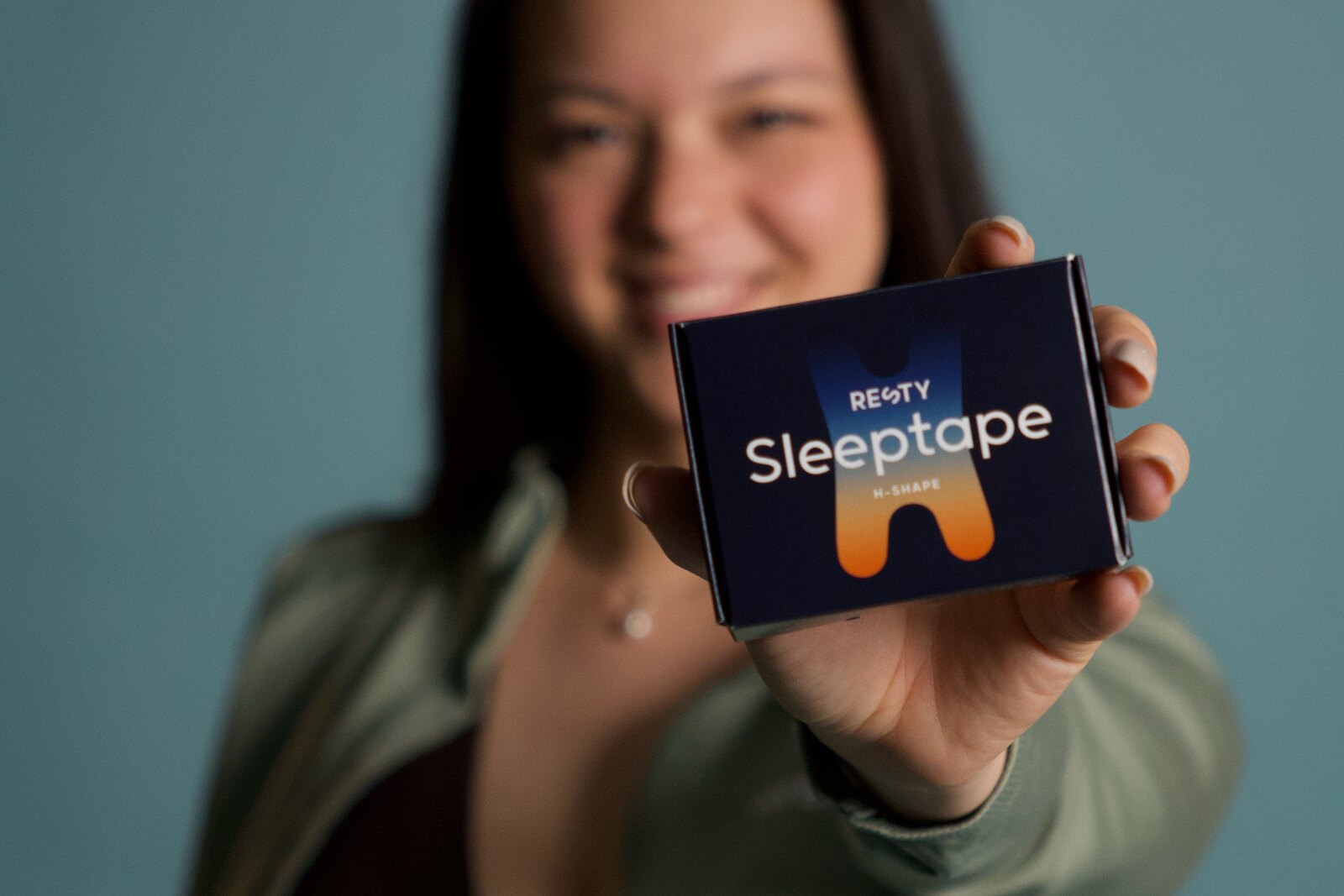
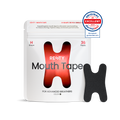
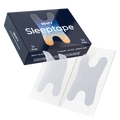
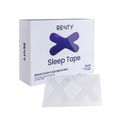
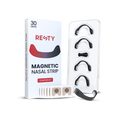
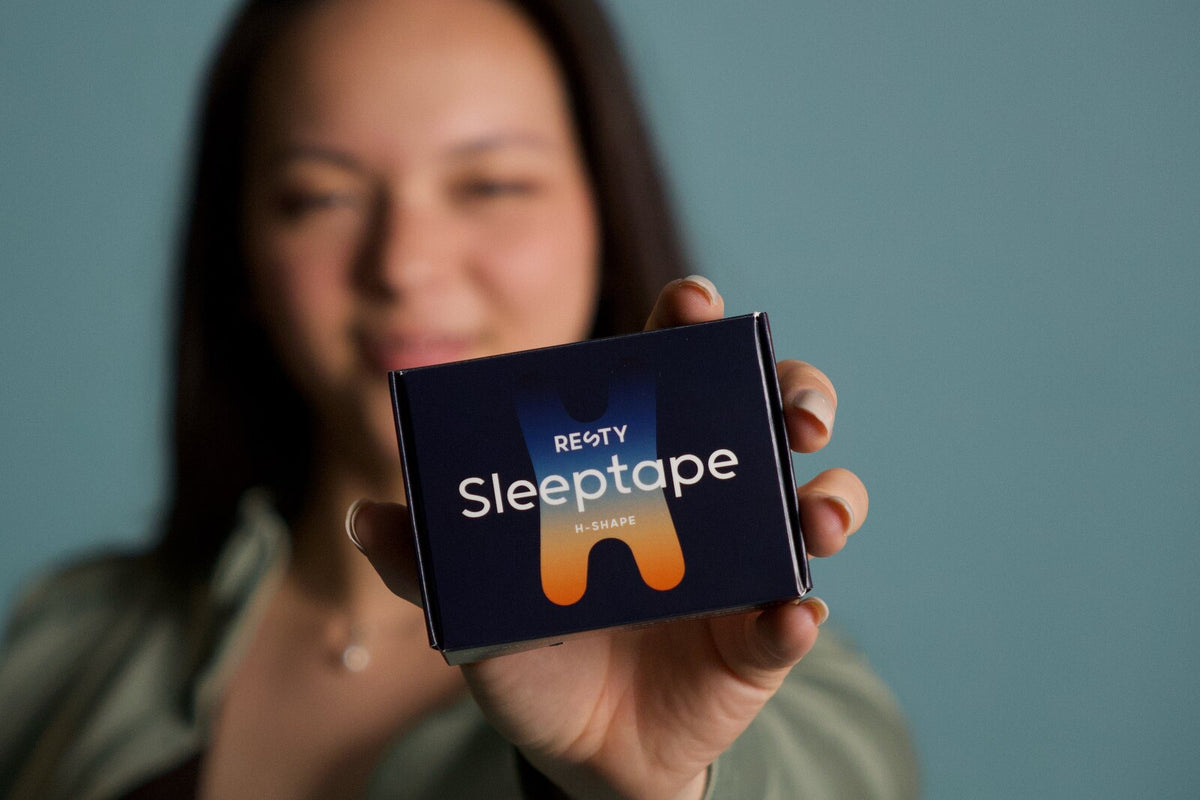
Use a product designed for the mouth area rather than household tape. A small open shape can be a more comfortable starting point than fully covering the lips. Explore Resty's mouth-tape options and follow the instructions for the exact product.
4. Practise while awake
Apply it for a short period while reading or relaxing. You should be able to speak, remove it quickly and breathe comfortably through your nose. If the sensation feels distressing, the routine is not a good fit.

5. Apply immediately before sleep
Finish drinking, brushing teeth and skincare first. Relax the lips without stretching the tape. Press the adhesive onto clean skin and keep the strip flat. Never apply it as a way to force breathing through congestion.
6. Remove it gently
Peel slowly in the morning. Warm water can help loosen adhesive. Support the skin and stop if removal hurts. Persistent redness, pain or a rash means the skin needs a break and possibly professional advice.
What does the evidence say about mouth taping?
The 2025 systematic review of mouth taping found a small, mixed evidence base and highlighted potential risk when nasal obstruction is present. That does not support presenting mouth tape as a cure for snoring, sleep apnoea or low energy.
Comfortable nasal breathing comes first. If mouth tape is used at all, it should be a cautious cue that you can stop without difficulty.
Frequently asked questions about mouth tape
When should you get assessed instead of trying mouth tape?
Get assessed when snoring is loud and persistent, someone observes breathing pauses, you wake gasping or choking, or you have major daytime sleepiness or morning headaches. A tape strip should not hide those signals.
Can you reuse mouth tape?
No. Resty X-Shape, H-Shape and Advanced H-Shape are single-use strips. Use a fresh strip for each application and discard it after removal. Check the instructions for your chosen mouth-tape format; do not keep reattaching a used strip.
What if mouth tape keeps falling off?
Check skincare residue, moisture, facial hair and placement before changing the hold. Do not layer strips or use household adhesive. Our guide to mouth tape that comes loose explains the fit checks. If breathing or skin feels uncomfortable, stop rather than trying to make the tape stay on.