




Mouth Tape in Germany, Austria and Switzerland: A Practical Safety Guide
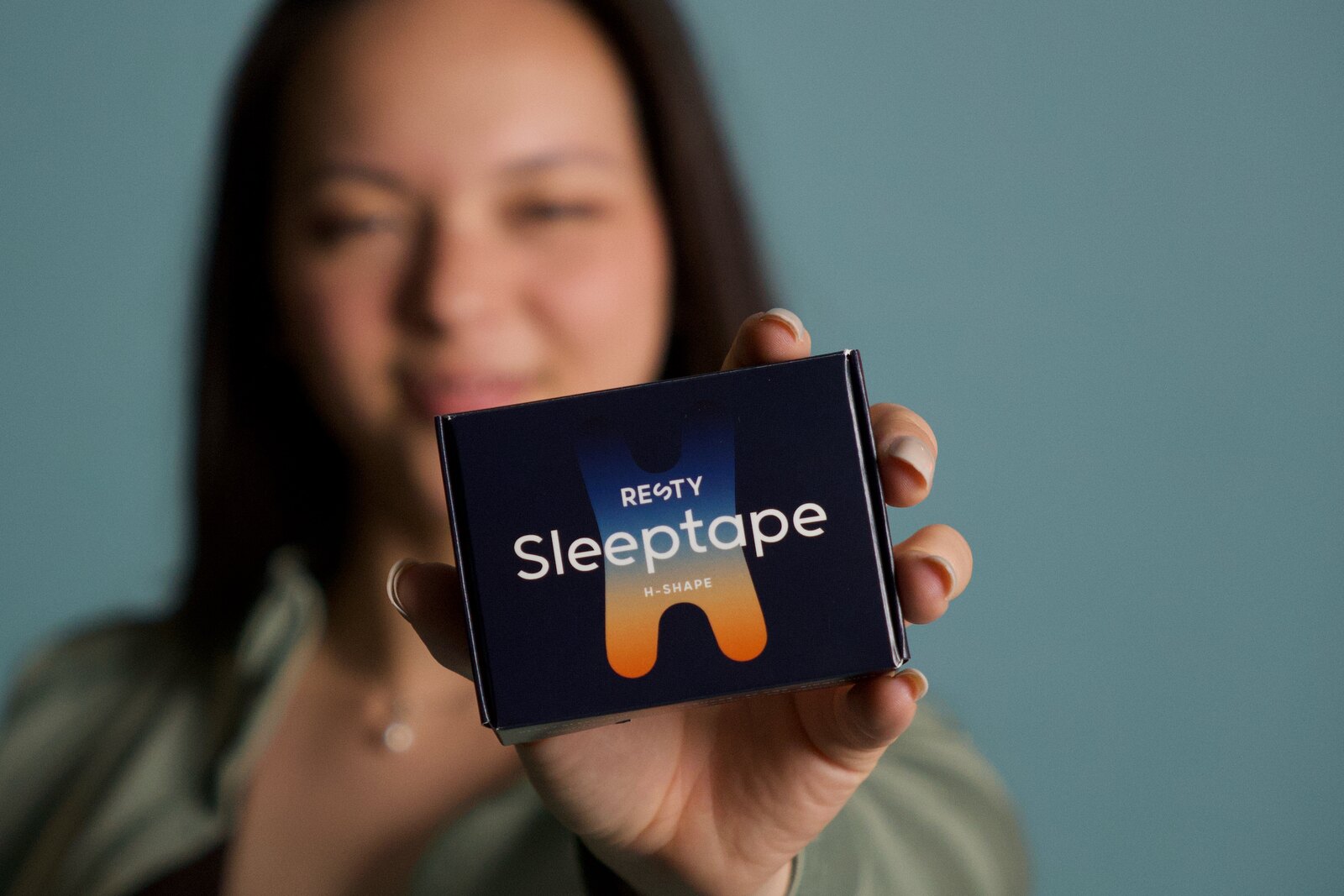
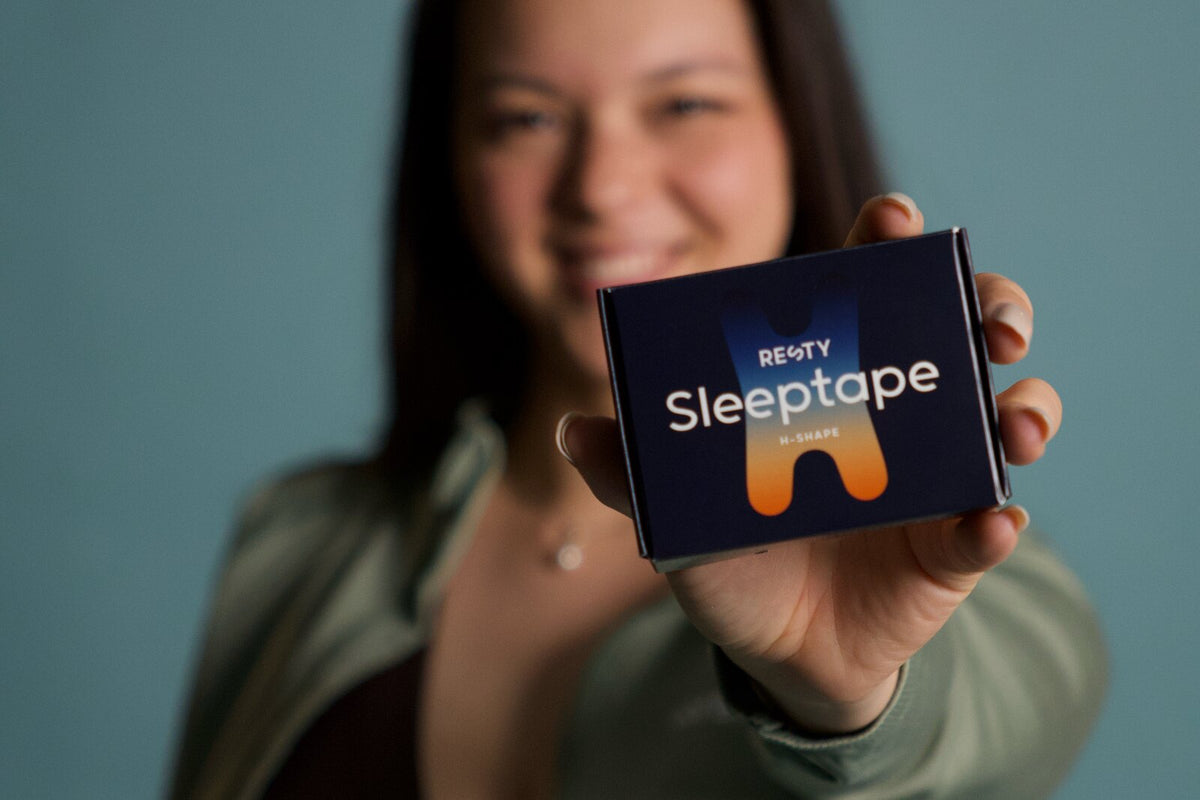
People in Germany, Austria and Switzerland may search for Mundpflaster, Schlaf-Tape or mouth tape for sleep. The names vary, but the safety questions do not. Mouth tape is a lifestyle product that may act as a gentle lip cue for some adults. It does not treat snoring, sleep apnoea or a blocked nose.
What the product can do
A purpose-designed strip can give the lips a gentle reminder to stay together. Some adults choose it because they notice mouth dryness or want to experiment with a quieter wind-down. These are personal goals, not guaranteed changes in oxygen, sleep stages or snoring.
Nasal breathing comes first
If allergies, a cold or persistent obstruction makes the nose uncomfortable, understand that issue first. An external nasal strip may lift the front of the nose for some people, but it does not open the throat or treat sleep apnoea.
Do not stack products to push through congestion. Comfort and easy removal are more important than stronger adhesive or a tighter hold.
What research says
The 2025 systematic review of mouth taping found ten eligible studies with 213 patients. Results were mixed, the evidence was small and several studies excluded people with nasal obstruction. The authors highlighted potential risk from using the trend indiscriminately.

How to test a product conservatively
- Use a product intended for the mouth area; never household tape.
- Test it awake for a short period and keep removal easy.
- Apply only to clean, dry, intact skin.
- Stop for air hunger, panic, pain, rash or unusual breathing.
When to seek assessment
Loud snoring with gasping, choking or pauses, severe daytime sleepiness, morning headaches or persistent nasal blockage deserve a qualified evaluation. Mouth tape should never hide those signals.
Choose information over hype: Mundpflaster may be an optional cue for a carefully screened adult, but it cannot replace sleep medicine or airway care.
Read the next safety step
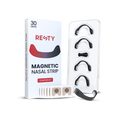
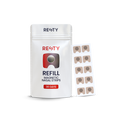
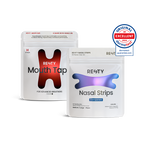
Compare the mouth-tape range and learn about nasal strips before changing your sleep routine.

Written by David Veth