
Biohacking Your Sleep: A Safe Way to Test What Helps
Biohacking your sleep does not have to mean buying every new device or following an extreme protocol. A useful approach is closer to a small personal experiment: define the problem, change one variable, record a few meaningful outcomes and stop if the routine makes you feel worse.
Need one practical change to test? Choose from the seven sleep biohacking tips, then use the baseline and review steps here to assess that one change.
Step 1: define the sleep problem
“Better sleep” is too broad to test. Choose a specific starting point: a late bedtime, light in the room, dry mouth, difficulty winding down or feeling unrefreshed. If the problem is loud snoring, gasping or breathing pauses, start with medical assessment rather than a gadget experiment.
Step 2: record a short baseline
For several ordinary nights, note your bedtime, wake time, awakenings, morning energy and one sleep-quality score. Do not change your whole routine during the baseline. You are not looking for perfect data; you are creating a fair comparison.
Step 3: change one variable
Try one practical change for long enough to notice a pattern. This could be a darker room, earlier caffeine cut-off, a consistent wake time or a sleep mask during travel. When multiple products start on the same night, you cannot tell which change helped or caused discomfort.
Breathing tools need extra care
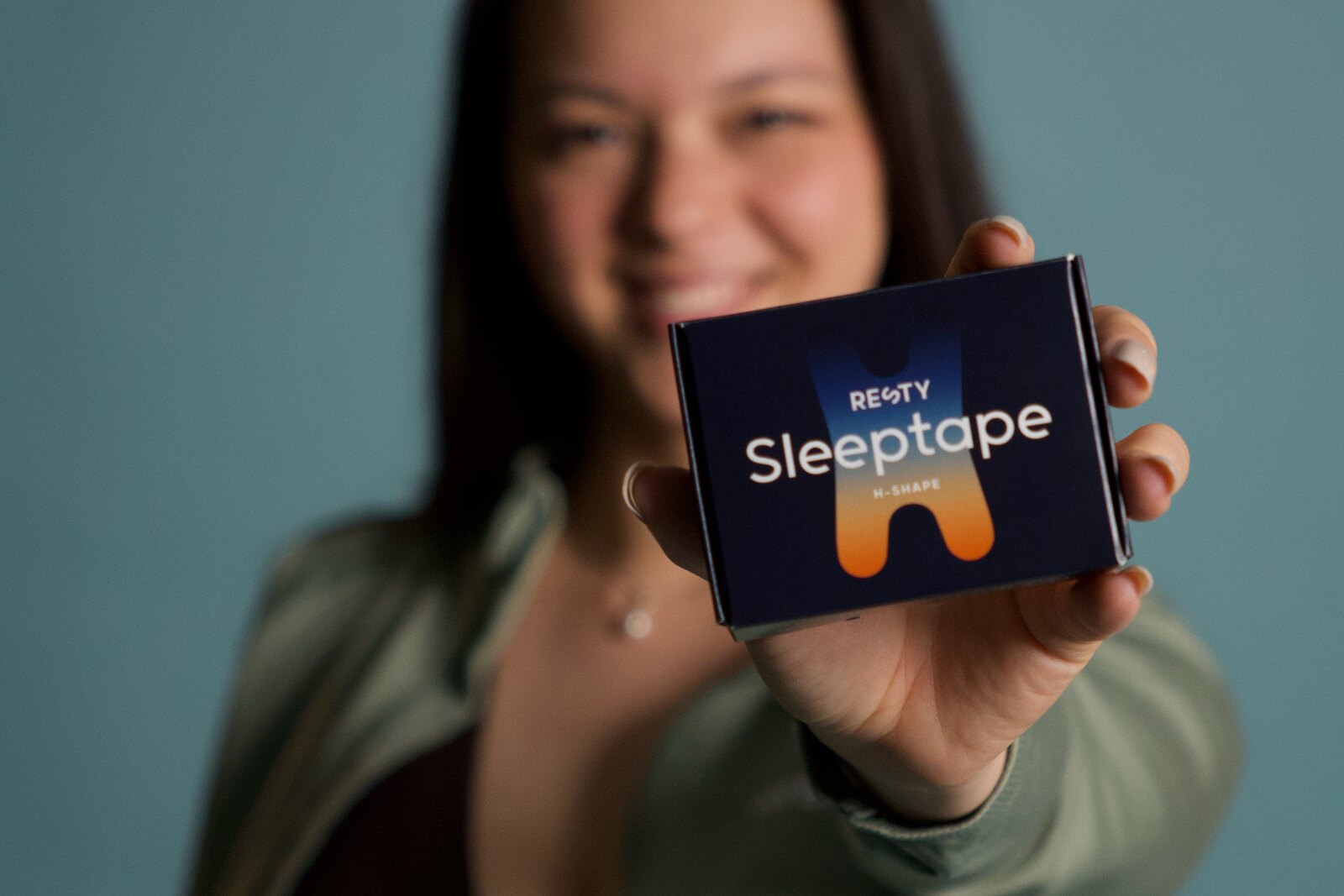
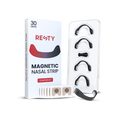
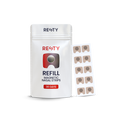
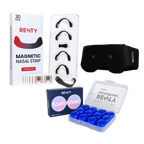
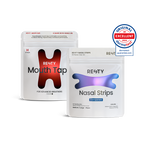
A nasal strip may make the front of the nose feel more open, but it does not treat every cause of congestion or snoring. Mouth tape should only be considered by an adult who can breathe comfortably through the nose and should never be used to seal a blocked nose.

The evidence for mouth taping is still limited. In a 2025 systematic review, only a small set of studies met the inclusion criteria and several excluded people with nasal obstruction. That is a reason for careful screening, not a reason to promise better sleep for everyone.
Red light and recovery routines
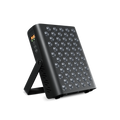
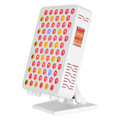
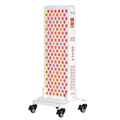
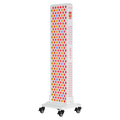
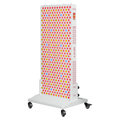
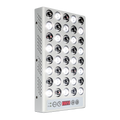
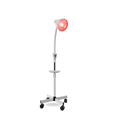
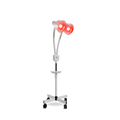
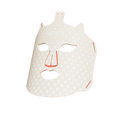
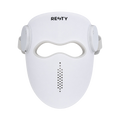
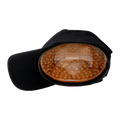
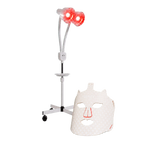
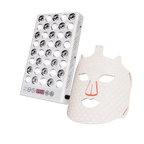
Red light therapy is another optional routine. Research on photobiomodulation covers different wavelengths, output levels and outcomes, so the result from one study cannot be assigned automatically to every home panel. The Resty red light collection is a product category.
Follow the exact device instructions, avoid staring into bright LEDs and track comfort rather than chasing a dramatic “before and after.” If evening light or warmth makes you alert, use the session earlier.
Step 4: review the result honestly
- Did the original problem change, or did you simply expect it to?
- Was the routine comfortable enough to repeat?
- Did another factor, such as travel, stress or illness, change during the test?
- Would you recommend the routine to someone without making a bigger claim than your evidence supports?
When to stop experimenting
Stop a product if it causes breathing discomfort, skin irritation, eye symptoms, pain or anxiety. Persistent snoring, gasping, breathing pauses, severe congestion or daytime sleepiness should be discussed with a qualified professional.
A calm, repeatable routine beats a complicated stack. Test less, measure what matters and keep your sleep decisions grounded in comfort and evidence.

Written by David Veth