






Dry Mouth at Night: Causes, Nasal Breathing & Safety
Waking up with a dry mouth can be linked to mouth breathing, dehydration, medicines or other health conditions. A blocked nose is one possible contributor, so first notice whether the dryness comes with congestion or persists during the day. Mouth tape cannot identify or treat the cause.
Why mouth dryness happens
Saliva protects the mouth, but saliva levels and the sensation of dryness change for many reasons. Sleeping with the lips apart can contribute, yet it is only one possible factor. Nasal congestion, dehydration, medication and alcohol can also change how the mouth feels overnight.
If dryness is persistent, painful or associated with dental problems, discuss it with a dentist or clinician instead of assuming a strip will solve it.
What can help when you wake with a dry mouth?
Keep water by the bed and take regular sips during the day. Continue brushing twice daily; ask a pharmacist about a suitable saliva gel or spray if dryness persists. Review possible medicine side effects with a pharmacist or prescriber without stopping treatment yourself. The NHS dry-mouth guidance explains these options.
For dryness alongside congestion, read why you may sleep with your mouth open. Ongoing pain, trouble eating or speaking, or persistent dryness needs a dentist or clinician. Do not try to solve it simply by keeping the lips closed.
Where nasal strips fit
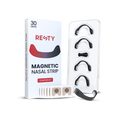
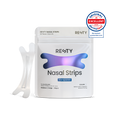
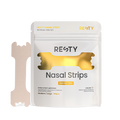
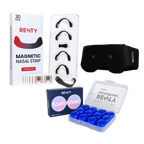
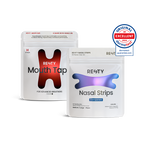
External nasal strips lift the skin at the sides of the nose. They may make the front of the nose feel more open and can be useful when that is the limiting sensation. They do not open the throat, remove every obstruction or treat sleep apnoea.
Research on nasal dilators is mixed. A systematic review found improved nasal breathing but no reliable improvement in objective obstructive sleep apnoea outcomes. Read the nasal dilator review for the limits of the evidence.
Where mouth tape fits, and where it does not
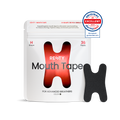
Mouth tape is an optional adult cue. It should only be considered when nasal breathing is clear and comfortable, and it should never be used to seal a blocked nose. The 2025 systematic review of mouth taping found limited evidence and highlighted risk when nasal obstruction is present.

Choose a purpose-designed product, apply it to healthy dry skin and remove it if you feel distress, air hunger or irritation. Do not use household tape or use tape to push through congestion.
When to ask for help
- Loud habitual snoring that disturbs you or a bed partner.
- Gasping, choking or witnessed breathing pauses.
- Major daytime sleepiness, morning headaches or unrefreshing sleep.
- Persistent nasal blockage, frequent nosebleeds or severe dry mouth.
The most useful next step is to understand why the nose or mouth feels uncomfortable. A product can support a routine, but it should not hide a symptom that needs care.
Explore comfortable nasal breathing
See the nasal strips collection and the natural breathing guide for the next practical step.

Written by David Veth