

Why Do I Sleep With My Mouth Open? Causes and What Helps
Short answer: Sleeping with your mouth open is often a sign that nasal breathing is difficult or that your lips remain open during sleep. Common contributors include a cold, allergies, persistent nasal congestion, room dryness, medication, sleep position, anatomy and sleep-related breathing disorders. One night does not identify the cause.
If you searched “why do I sleep with my mouth open?”, start with the reason breathing through your nose may be uncomfortable. The goal is not to force the mouth closed; it is to make breathing comfortable and understand any underlying problem.
Why do people sleep with their mouth open?
Nasal congestion or allergies
A cold, allergy flare, chronic congestion or irritation can make nasal breathing feel harder, so the mouth may open as a backup route. If the blockage happens most nights, ask a healthcare professional about the cause rather than trying to cover the symptom.
Nasal structure or airflow limits
A deviated septum, nasal polyps or another anatomical issue can affect airflow. Only a qualified professional can assess whether a structural problem is involved. A product that lifts the outside of the nose cannot diagnose or correct every nasal or throat obstruction.
Sleep position, room conditions or medication
Sleep position, dry air, alcohol and some medicines can influence comfort, congestion or muscle tone during sleep. Review persistent symptoms with a clinician or pharmacist; do not stop prescribed medication without advice.
Snoring or sleep-related breathing disorders
Open-mouth sleep does not prove that someone has sleep apnoea, but loud snoring, gasping, choking, witnessed breathing pauses and marked daytime sleepiness deserve assessment. The NHS sleep-apnoea guidance lists these as symptoms to discuss with a GP.
What can sleeping with your mouth open feel like?
People may notice a dry mouth, dry lips, bad breath, drooling, a sore throat, noisy breathing or waking up unrefreshed. These signs have more than one possible cause. Dry mouth can also relate to hydration, medication, dental issues or other health conditions, so do not assume mouth breathing is the only explanation.
If the symptoms are frequent, painful or getting worse, write down when they occur and arrange appropriate dental or medical advice. The Cleveland Clinic overview of mouth breathing explains why nasal congestion and sleep problems can be relevant.
How can you stop sleeping with your mouth open?
- Notice the pattern. Is it only during a cold, or does it happen most nights? Ask a partner whether they notice loud snoring, gasping or pauses.
- Support a comfortable room. Reduce obvious irritants and keep the bedroom comfortable. If dryness or congestion persists, discuss suitable options with a healthcare professional.
- Try a comfortable sleep position. Side sleeping may feel better for some people, but do not force a position that causes pain or poor sleep.
- Address the nose first. An external nasal strip may change the feeling of airflow at the bridge of the nose for some users. It does not open the throat or treat sleep apnoea.
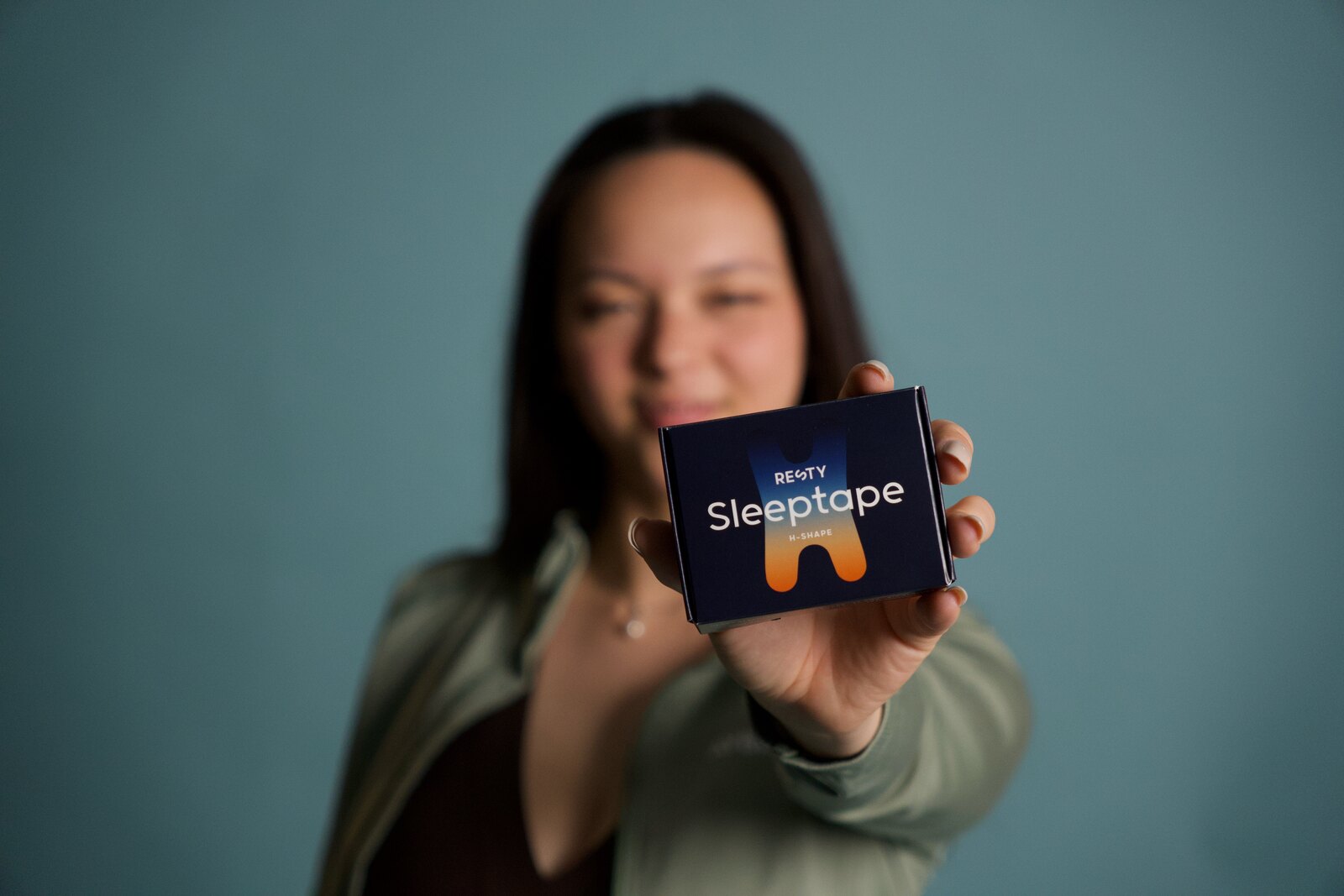
- Do not start with mouth tape. If nasal breathing is not clear and comfortable while awake, skip it. Never improvise with household tape.

Can mouth tape or nasal strips fix open-mouth sleep?
Nasal strips are external mechanical aids. They may make the front of the nose feel more open, but the effect on snoring and sleep varies. A PubMed study of an external nasal strip and a review of nasal dilators provide useful context without proving a result for every person.

Mouth tape is an optional product cue, not a way to make an obstructed nose safe. A 2025 systematic review of mouth taping found small, mixed studies and highlighted potential risk when nasal obstruction or sleep-disordered breathing is present. It does not support presenting mouth tape as a cure or universal sleep solution.
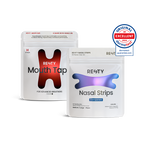
If you are considering a product after screening, read our mouth tape and nasal strips safety guide first. The safety check matters more than whether a strip stays on all night.
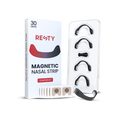
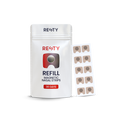
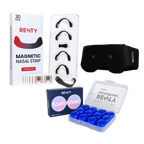
If you are comparing external nasal support, magnetic nasal strips use a reusable clip with fresh adhesive tabs for each use. They support the outside of the nose and leave the mouth free; they cannot correct a deeper obstruction. If dryness is your main concern, our dry mouth at night guide also covers causes unrelated to breathing through the mouth.
When should you seek assessment?
Speak with a qualified healthcare professional if you regularly sleep with your mouth open and also have:
- loud, persistent or disruptive snoring;
- gasping, choking or witnessed pauses in breathing;
- severe daytime sleepiness, morning headaches or difficulty concentrating;
- persistent nasal blockage, repeated sinus symptoms or trouble breathing through your nose;
- a painful or persistent dry mouth, sore throat or dental concern.
These symptoms do not diagnose a condition by themselves, but they are reasons to seek proper evaluation. Do not replace prescribed sleep-apnoea treatment with mouth tape or nasal strips.
What about children?
Recurring mouth breathing, snoring or restless sleep in a child should be discussed with a qualified clinician or dentist who can assess the child's nose, mouth and airway. Do not apply adult mouth tape to a child without direct professional guidance.
Frequently asked questions
Is it normal to sleep with your mouth open?
It can happen occasionally, especially with temporary congestion or dry air. If it happens most nights, causes symptoms or comes with loud snoring or breathing pauses, look for the reason rather than treating it as a cosmetic habit.
Why do I wake up with a dry mouth or sore throat?
Mouth breathing can be one contributor, but dehydration, medication, dental issues, reflux and other conditions can also cause dryness or throat discomfort. Persistent symptoms deserve professional advice.
Should I tape my mouth shut to stop mouth breathing?
Not if nasal breathing is blocked, uncomfortable or unexplained. Do not use mouth tape to treat sleep apnoea or an airway obstruction. If an adult is considering it after screening, use only a purpose-designed product, test while awake and stop at any discomfort.
Will a nasal strip stop snoring?
It cannot guarantee that snoring will stop. A nasal strip may support the sensation of nasal airflow for some users, while snoring can also involve the throat or sleep-disordered breathing.
What is the safest next step?
Track the pattern for a few nights, ask whether anyone observes pauses or gasping, and seek assessment when symptoms persist. You can compare the nasal-strip range and read the mouth-taping safety questions.
Further reading from Resty
For a broader explanation of mouth breathing, see Mouth Breathing: Risks & Causes. If you are comparing both product types, read our guide to combining mouth tape and nasal strips only after confirming that nasal breathing is clear and comfortable.
The practical rule is simple: understand the cause, support comfortable nasal breathing, and get medical advice for red flags.