
Is Mouth Tape Safe? A Safety-First Guide
Bottom line: mouth tape is not a proven treatment for obstructive sleep apnoea, snoring, insomnia or low oxygen levels. A few small studies found improvements in carefully selected adults, but the evidence is limited and inconsistent. Closing the mouth can also reduce airflow in some people, especially when nasal or upper-airway obstruction makes oral breathing an important backup route.
What the evidence says in brief
- A 2025 systematic review found ten small, heterogeneous studies. The authors concluded that the evidence does not support indiscriminate use and identified potential serious harm when nasal obstruction is present.
- A preliminary study in 20 selected adults with mild OSA found that median AHI fell from 8.3 to 4.7 events per hour after one week. It had no control group, excluded important risk groups and found no significant change in mean oxygen saturation.
- A nonrandomized study in 54 people with OSA found that mouth closure improved airflow on average, but airflow worsened in 12 participants who had high oral airflow, often with severe obstruction behind the soft palate.
- A later randomized crossover study found better CPAP adherence when 62 patients with OSA and mouth breathing used mouth tape with prescribed CPAP. That result applies to supervised CPAP use, not mouth tape as a stand-alone treatment.
- Claims about energy, immunity, jawline, deep sleep, dental health or higher average oxygen saturation have not been convincingly demonstrated.
What is mouth taping?
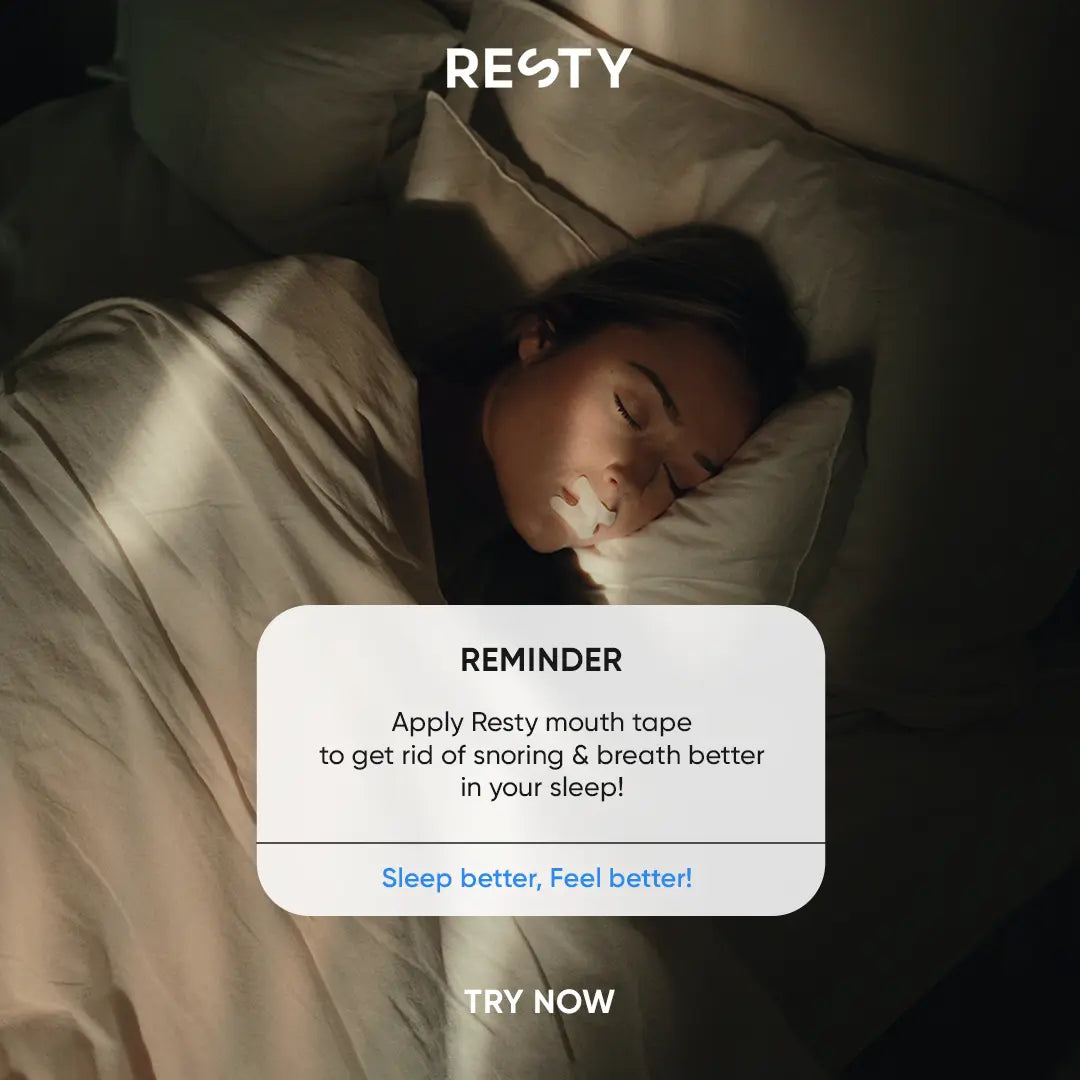
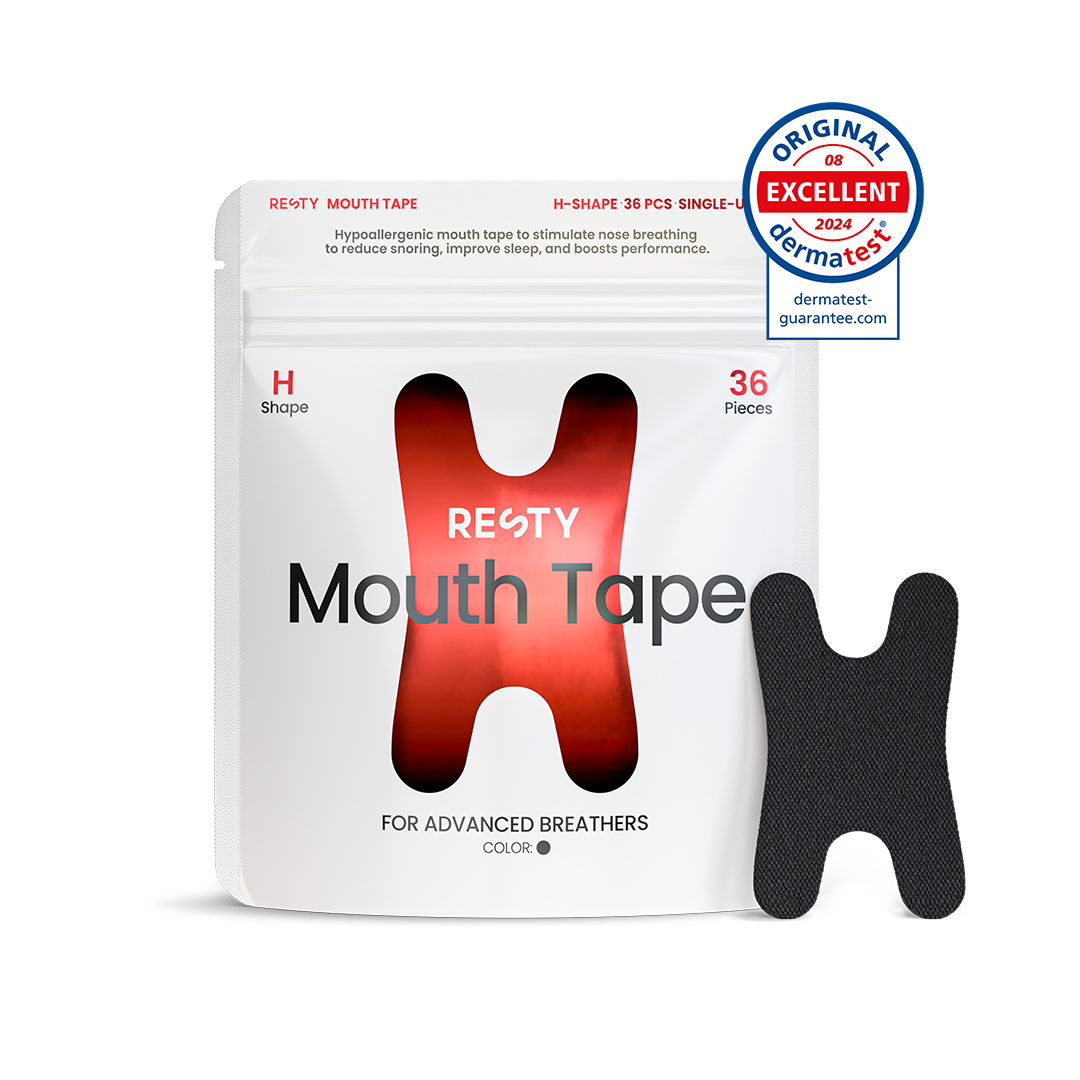
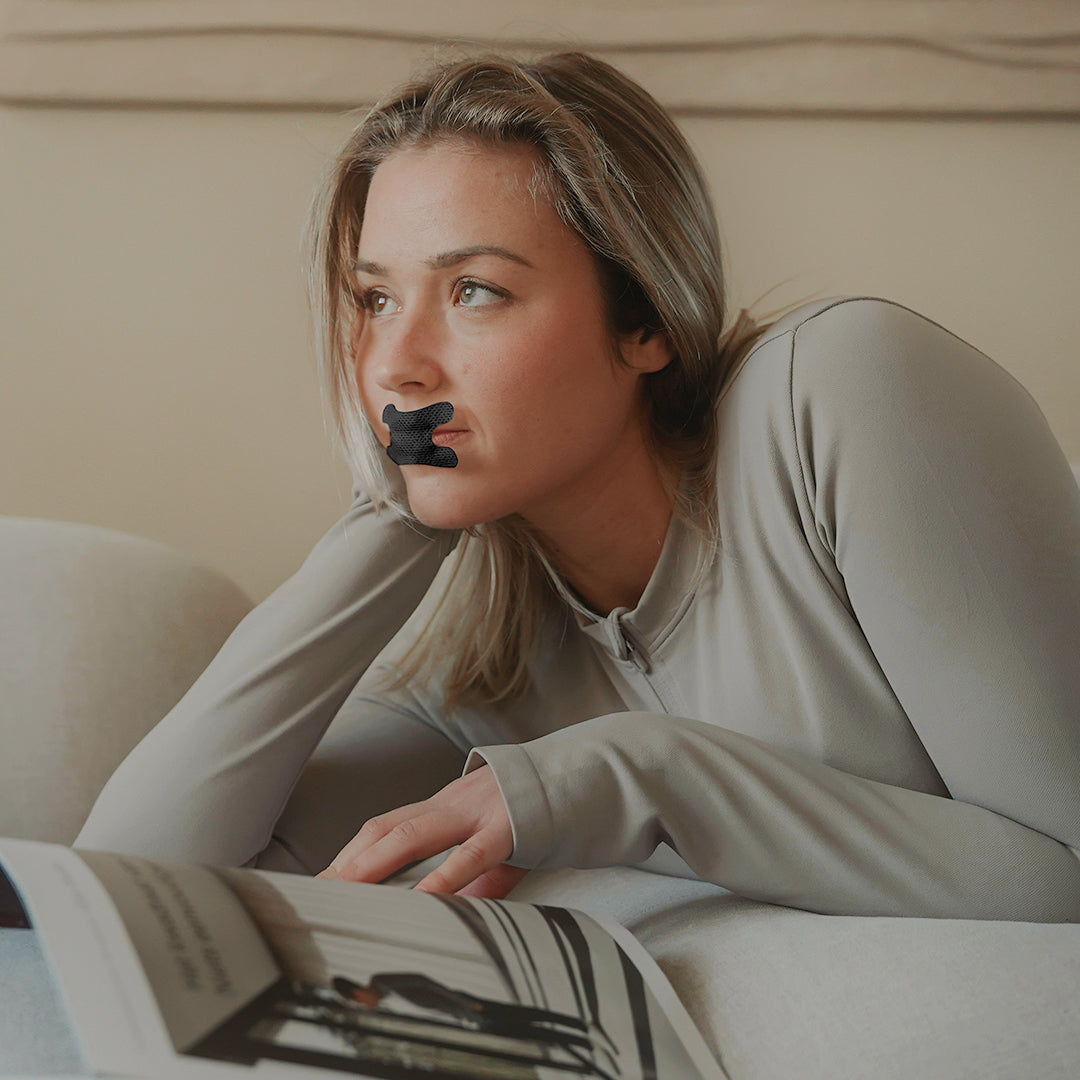
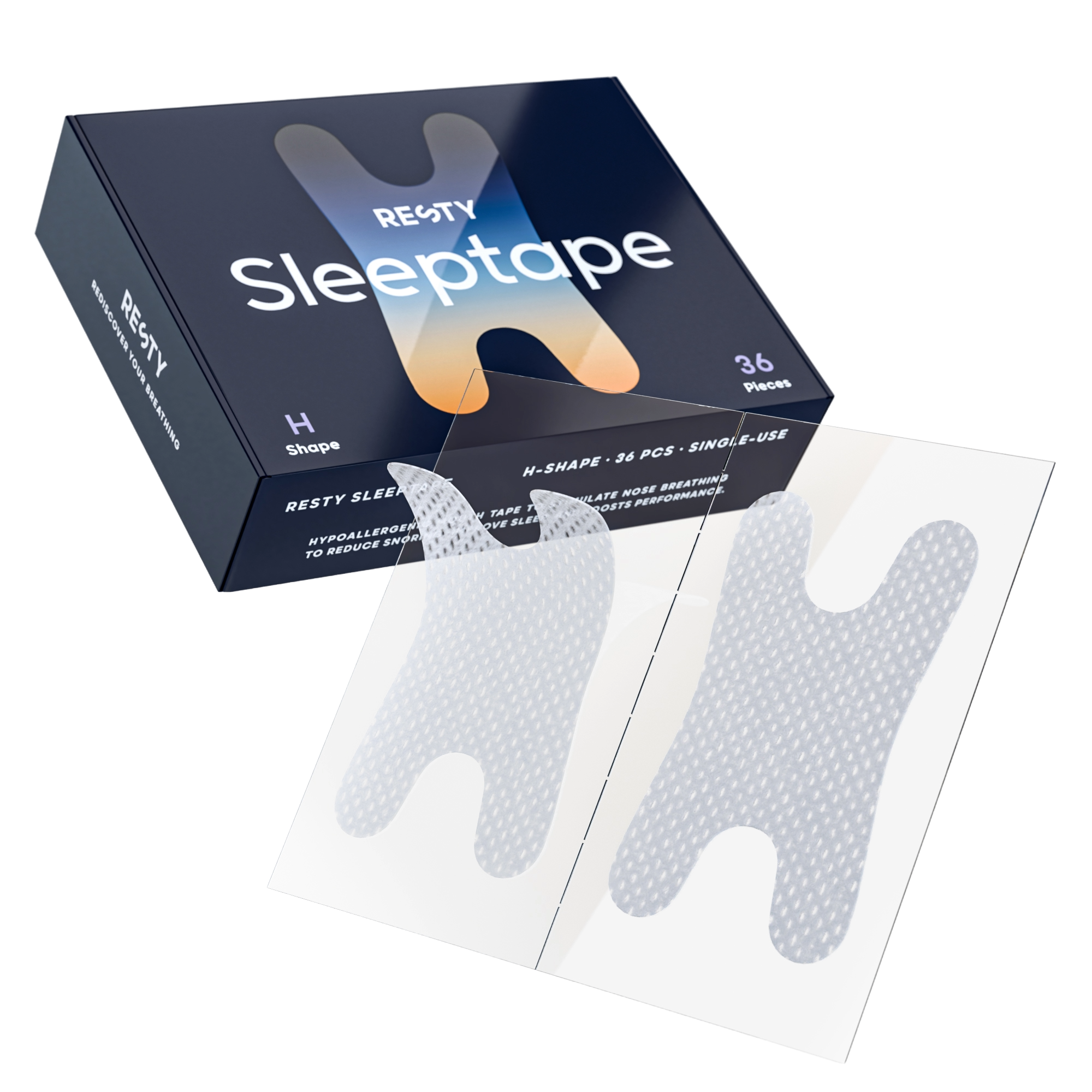
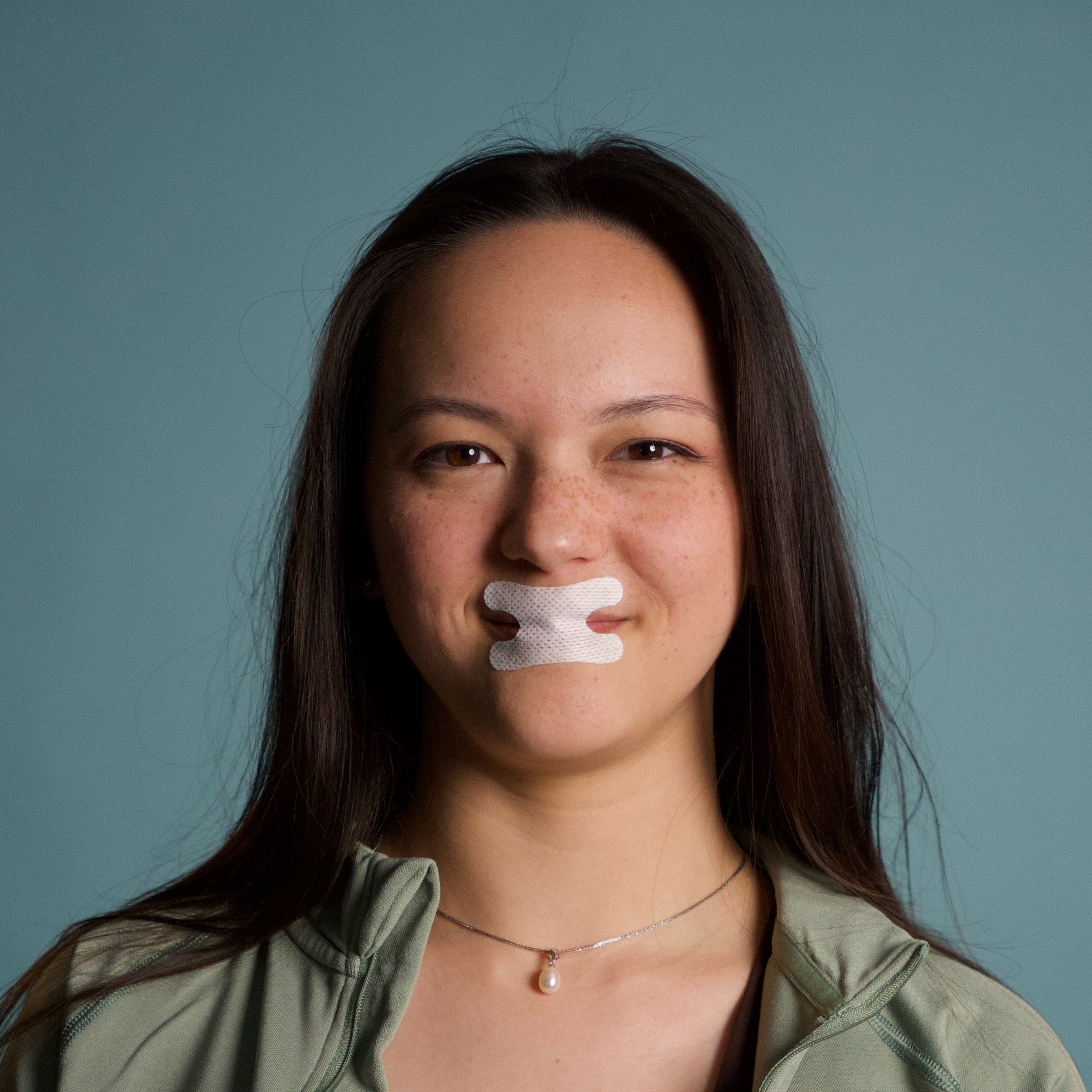
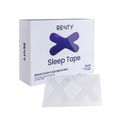
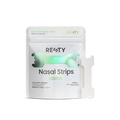
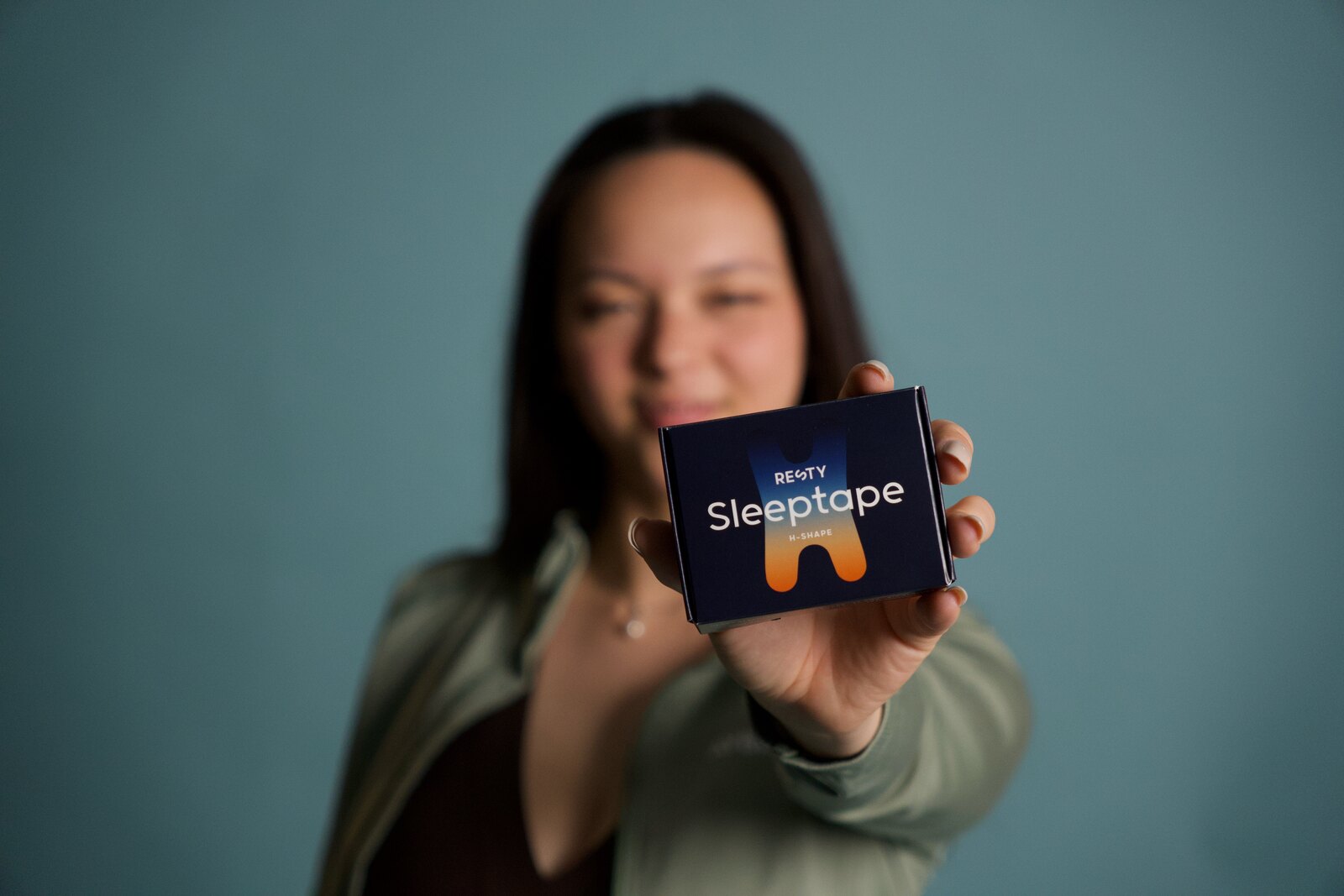
Mouth taping means placing an external adhesive strip across or around the lips during sleep to discourage the mouth from opening. The strip changes the available breathing route; it does not widen the nose, move an obstruction in the throat or diagnose why someone is mouth breathing.
That distinction matters. Mouth breathing can be a habit, but it can also be a response to allergic rhinitis, chronic congestion, a deviated nasal septum or obstruction higher in the airway. Results from selected research participants cannot automatically be applied to someone whose nose is not comfortably open.1
What did the main studies find?
| Source | Design | Main finding | Important limitation |
|---|---|---|---|
| Rhee et al., 20251 | Systematic review of 10 studies of mouth occlusion, tape or chin straps | Some outcomes improved, while others did not. The review warns about potentially serious harm from indiscriminate use. | Studies were small and heterogeneous and were rated poor quality; statistical pooling was not appropriate. |
| Fangmeyer et al., 20252 | Scoping review; 9 of 177 identified studies met the criteria | There was little consensus about benefits, and few popular social-media claims had been studied. | A scoping review maps the field; it does not prove effectiveness. |
| Lee et al., 20223 | Before-and-after study in 20 mouth-breathing adults with mild OSA who tolerated tape | Median AHI fell from 8.3 to 4.7 events per hour and the snoring index decreased; mean oxygen saturation did not change significantly. | No control group, one-week follow-up, selected participants and multiple exclusions. |
| Yang et al., 20244 | Nonrandomized study in 54 people with OSA; airflow measured during open- and closed-mouth conditions | Airflow improved on average but worsened in the subgroup with high oral airflow and severe velopharyngeal obstruction. | This was an acute manoeuvre during drug-induced sleep, not independent long-term home use. |
| Meksukree et al., 20258 | Randomized crossover study in 62 CPAP users with OSA and mouth breathing | Average CPAP use increased by 51.8 minutes per day with tape; adherence and several symptoms also improved. | The tape was an adjunct to prescribed CPAP in selected patients. Adverse effects were reported, and the result does not support stand-alone use. |

How strong is the evidence?
For mouth tape as a general or stand-alone treatment, the evidence is weak. The 2025 systematic review found only ten eligible studies and could not combine their results because the populations, devices and outcomes differed too much. Four studies excluded every form of nasal obstruction, so positive findings say little about people who open their mouths because nasal breathing is impaired.1
The newer CPAP crossover trial is more informative for a narrow clinical situation: patients already diagnosed with OSA, using prescribed CPAP and selected for mouth breathing. It should not be generalized to people self-treating snoring, fatigue or possible sleep apnoea.8
What does the AHI reduction in the small study mean?
The Lee study is a signal that changing the breathing route may affect some carefully selected adults with mild OSA. It is not proof that mouth tape treats sleep apnoea. The study included only 20 people, had no control group, lasted one week and enrolled participants who tolerated sealing. Mean oxygen saturation did not change significantly.3
Why the airflow study matters
Yang and colleagues found that mouth closure did not have one universal effect. Airflow improved in some participants but worsened in 12 of 54. People who primarily breathed through the mouth and had severe obstruction behind the soft palate appeared to rely on the oral route as an important airway. This is why “nasal breathing is always better for everyone” is not a safe rule.4
What has not been convincingly demonstrated?
Current evidence does not justify claims that mouth tape:
- cures sleep apnoea or replaces CPAP, a mandibular advancement device or another prescribed treatment;
- treats snoring in the general population;
- raises average oxygen saturation;
- causes more deep sleep or reliably improves overall sleep quality;
- improves energy, concentration or immunity;
- treats dry mouth, bad breath, tooth decay or gum disease;
- changes an adult's jawline or facial shape.
The 2025 scoping review found that very few popular TikTok claims had actually been evaluated in research.2
When not to use mouth tape on your own
The boundaries below are deliberately conservative. Some come directly from research; others are harm-reduction limits because the relevant groups have not been adequately studied.

1. When the nose is not freely and comfortably open
Do not use mouth tape with a cold, clear allergy symptoms, chronic congestion or when calm nasal breathing while awake feels difficult or uncomfortable. Nasal obstruction was a common exclusion criterion in positive studies and is an explicit concern in the systematic review.1
2. With diagnosed or possible sleep apnoea without clinical guidance
Mouth tape is not a screening test and cannot replace a sleep study. Do not use it to self-treat loud regular snoring combined with observed breathing pauses, gasping, repeated awakenings, unrefreshing sleep or severe daytime sleepiness. Dutch primary-care guidance recommends assessment and, when indicated, sleep testing.56
Do not replace CPAP, an oral appliance or another prescribed treatment with tape. The 2025 CPAP study concerned tape as an adjunct within CPAP treatment, not as a substitute.8
3. When nausea, recent vomiting or regurgitation is a realistic concern
Four studies discussed in the systematic review raised asphyxiation risk in the presence of nasal obstruction or regurgitation. Do not close the mouth when vomiting or regurgitation is plausible.1
4. When the strip cannot be removed immediately and independently
Do not use mouth tape if illness, physical limitation, reduced alertness, alcohol, sedating medication or another circumstance could prevent immediate self-removal. This is a practical safety boundary, not a separately proven intervention rule.
5. On damaged skin or with a known adhesive reaction
Do not place adhesive on broken, inflamed or already irritated skin. Stop if swelling, blistering, persistent redness or pain develops. Long-term dermatological safety was not adequately reported in the sleep studies.
6. In children
The studies discussed here do not establish safety or benefit for children. Snoring, persistent mouth breathing or observed breathing pauses in a child require their own assessment by a doctor.
Signs to discuss with a doctor first
Current Dutch patient and primary-care guidance lists symptoms such as:

- daytime sleepiness severe enough to fall asleep unintentionally;
- loud, regular snoring;
- breathing pauses observed by a partner;
- waking because breathing stopped or because of gasping;
- frequent awakenings and unrefreshing sleep;
- persistent fatigue or concentration problems.
Discuss this pattern with a doctor. Suspected sleep apnoea is commonly investigated with a sleep study. Do not drive when severe daytime sleepiness makes driving unsafe.56
If an adult without warning signs still chooses to experiment
This is harm reduction, not a recommendation or proof of health benefit.
- Check nasal breathing while awake and upright. If calm breathing through the nose is not completely comfortable, do not use tape.
- Use only a skin-compatible strip intended for this purpose and follow its label. Do not use household tape, duct tape, multiple layers or a construction that forces the jaw shut.
- Test it briefly while awake. You must be able to breathe normally, remain calm and remove the strip immediately without help.
- Stop with breathlessness, panic, nausea, gasping, repeated awakenings or skin reactions. Do not try to train through warning signs.
- Do not judge a medical effect from feeling alone. Less dry mouth or less noise does not prove that breathing pauses or oxygen drops have resolved.
- Have persistent symptoms assessed. Do not use tape to mask snoring, mouth breathing or fatigue for months.
Frequently asked questions
Does mouth tape improve oxygen saturation?
That has not been convincingly shown. Mean oxygen saturation did not change significantly in the small Lee study. Some other oxygen-related measures improved, but the evidence is too limited and heterogeneous for a general conclusion.13
Can mouth tape treat sleep apnoea?
Not as a general or stand-alone treatment. Dutch guidance describes diagnosis and established options such as CPAP, mandibular advancement devices, positional therapy and selected surgery. Mouth tape is not listed as a standard treatment.57
Does less snoring prove that it works safely?
No. Sound is not a reliable measurement of airflow, breathing pauses or oxygen drops. Snoring can occur on its own, but it can also be part of OSA. Breathing pauses or severe sleepiness require assessment rather than noise reduction alone.
Can mouth tape be used with CPAP or BiPAP?
Only as part of a plan discussed with the treating team. A 2025 crossover trial found improved adherence in selected CPAP users with mouth breathing, but adverse effects occurred and individual fit, mask type, pressure settings and the cause of leakage still matter.8
Is a vent or opening in the tape automatically safe?
No. An opening may make it easier to open the mouth, but it does not remove nasal or throat obstruction. Safety does not depend on strip shape alone.
How this guide was prepared
This is an editorial evidence guide, not a formal systematic review. Resty's editorial team used the Rhee systematic review as an evidence map, checked the main primary studies, added the later 2025 CPAP crossover trial and compared referral advice with current Dutch primary-care and OSA guidance. Commercial blogs, social posts and testimonials were not used as evidence.
Review limit: no independent clinician has reviewed this article. The wording is therefore deliberately cautious and the article must not be represented as a medical endorsement or personalized advice.
Sources
- Rhee J, Iansavitchene A, Mannala S, Graham ME, Rotenberg B. Breaking social media fads and uncovering the safety and efficacy of mouth taping: a systematic review. PLOS One. 2025;20(5):e0323643. doi:10.1371/journal.pone.0323643
- Fangmeyer SK, Badger CD, Thakkar PG. Nocturnal mouth-taping and social media: a scoping review of the evidence. Am J Otolaryngol. 2025;46(1):104545. doi:10.1016/j.amjoto.2024.104545
- Lee Y-C, Lu C-T, Cheng W-N, Li H-Y. The impact of mouth-taping in mouth-breathers with mild obstructive sleep apnea: a preliminary study. Healthcare. 2022;10(9):1755. doi:10.3390/healthcare10091755
- Yang H, Huyett P, Wang T-Y, et al. Mouth closure and airflow in patients with obstructive sleep apnea: a nonrandomized clinical trial. JAMA Otolaryngol Head Neck Surg. 2024;150(11):1012-1019. doi:10.1001/jamaoto.2024.3319
- Nederlands Huisartsen Genootschap. NHG-Standaard Slaapproblemen. Last updated January 2026. View the guideline
- Thuisarts. Ik denk dat ik slaap-apneu heb. Updated 7 January 2026. View the patient information
- Federatie Medisch Specialisten. Obstructief slaapapneu (OSA) bij volwassenen. View the guideline
- Meksukree A, Pitipanyakul S, Laohavinij W, et al. The role of mouth tape for CPAP use in patients with mouth breathing and OSA. J Clin Sleep Med. 2025;21(12):2063-2071. doi:10.5664/jcsm.11870