









Mouth Breathing: Causes, Risks & Safe Steps
Short answer: Breathing through your mouth from time to time is normal. Repeated mouth breathing at night can be a clue that your nose is blocked or that your sleep breathing needs attention. It is a symptom to investigate, not a diagnosis.
This evidence-aware guide explains common mouth-breathing causes, symptoms, possible effects and safe next steps.
What is mouth breathing?
Mouth breathing means taking in air through your mouth instead of your nose. It can happen temporarily during exercise, a cold or a blocked nose. If you regularly breathe through your mouth while resting or sleeping, look for the reason rather than trying to force your mouth closed.
Your nose filters, warms and humidifies incoming air. When nasal airflow is limited, the mouth can become an easier route. Common reasons include congestion from a cold or allergy, a deviated septum, enlarged nasal tissue, nasal polyps or a habit that developed after repeated blockage. A clinician can help identify the cause.
Why do I sleep with my mouth open?
Sleeping with your mouth open can happen when you cannot breathe comfortably through your nose. Snoring, dry mouth, drooling, a blocked nose and waking with a sore throat are useful clues, but they do not show which cause is responsible. Mouth breathing at night can also occur alongside sleep-disordered breathing.
Read the dedicated guide Sleeping With Your Mouth Open: Causes & Safe Steps and compare it with our guide to nasal breathing versus mouth breathing during sleep.
Common symptoms and possible effects
People who regularly mouth-breathe may notice one or more of these signs:
- dry mouth, bad breath or a dry throat when waking;
- snoring, noisy breathing or drooling during sleep;
- a blocked or constantly runny nose;
- morning headaches, restless sleep or daytime tiredness;
- hoarseness or irritation in the throat.
These signs are not specific to mouth breathing. Dry mouth can be linked to many causes, and daytime tiredness can have many explanations. Persistent symptoms deserve a proper assessment instead of a product promise.
Mouth breathing, children and dental health
Frequent mouth breathing in a child should be discussed with a GP, paediatrician, dentist or ENT clinician, especially when there is snoring, restless sleep, daytime concentration trouble or a persistently blocked nose. Children may have an airway or nasal issue that needs attention; do not use mouth tape or adult breathing products for a child without clinical guidance.
In adults, dry mouth can contribute to discomfort and may increase the need for good oral care. If you have persistent dry mouth, bad breath, gum bleeding or dental problems, ask a dentist or doctor for advice.
When can mouth breathing point to a sleep problem?
Mouth breathing alone does not diagnose sleep apnoea. Get medical advice if someone notices that your breathing stops and starts, or if you wake gasping, choking or snorting. Loud snoring together with marked daytime sleepiness, morning headaches or difficulty concentrating also deserves assessment. The NHS sleep-apnoea guidance explains common warning signs and testing options.
Do not try to cover up these signs with tape or a nasal accessory. Sleep apnoea is a medical condition and may need a sleep study or clinician-led treatment.
Safe next steps for better nasal breathing
- Notice the pattern. Write down when the mouth breathing occurs, whether your nose is blocked, and whether snoring or breathing pauses are reported.
- Address the cause. If congestion, allergy symptoms or a structural nasal problem persists, ask a healthcare professional which options are appropriate.
- Support sleep basics. A regular sleep schedule and sleeping on your side may be useful for some people, but they are not a substitute for assessment when symptoms are significant.
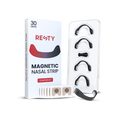
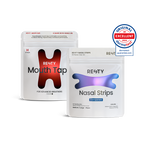
- Use nasal strips realistically. External nasal strips may make the nostrils feel more open for some users. See our guide to nasal strips for snoring.
Is mouth taping a safe fix?
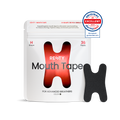
Mouth tape is not a cure for mouth breathing or sleep apnoea. Do not tape your mouth if you cannot breathe freely through your nose, have significant nasal congestion, suspect sleep apnoea, feel nauseated or have a breathing condition. Do not use it for a child without a clinician's advice. Evidence for routine mouth taping is still limited, so read the recent review of mouth taping during sleep and prioritise finding the cause.
Frequently asked questions
Is it normal to sleep with your mouth open?
It can happen occasionally, especially with a cold or a blocked nose. If it happens often, or comes with loud snoring, dry mouth, gasping or daytime tiredness, arrange an assessment.
Why do I wake up with a dry mouth?
Mouth breathing is one possible reason, but medicines, dehydration and other conditions can also cause dry mouth. Persistent dryness should be discussed with a doctor or dentist.
Can nasal strips stop mouth breathing?
They may improve the feeling of airflow through the front of the nose for some people, but they cannot treat every cause.
When should I seek help?
Seek medical advice for witnessed breathing pauses, choking or gasping in sleep, severe daytime sleepiness, persistent nasal obstruction or symptoms in a child. Seek urgent help for severe breathing difficulty.