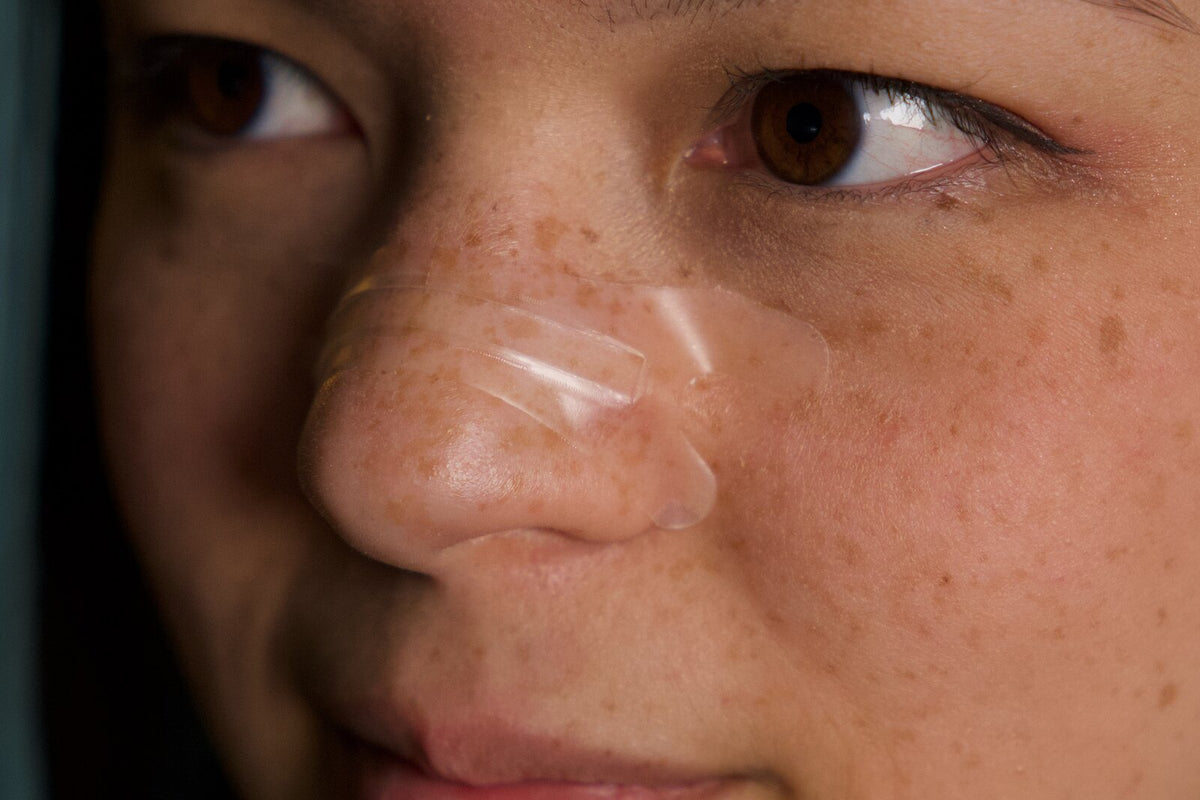
Best Nasal Strips for Snoring (2026): Comparison & Safety
The best nasal strips for snoring depend on fit, skin tolerance and where the airflow restriction occurs. An external strip may make the entrance of the nose feel more open; it cannot guarantee quieter sleep. Compare one-piece strips with reusable magnetic clips, remembering that both formats still use disposable adhesive.
Nasal breathing is an important part of this conversation, and nasal strips are mechanical aids: they lift the sides of the nose from the outside. Explore Resty's nose-breathing science guide and the Sleep Foundation overview for context on what nasal strips can and cannot do. Use this guide to compare fit, comfort and realistic expectations.

Can nasal strips help with snoring?
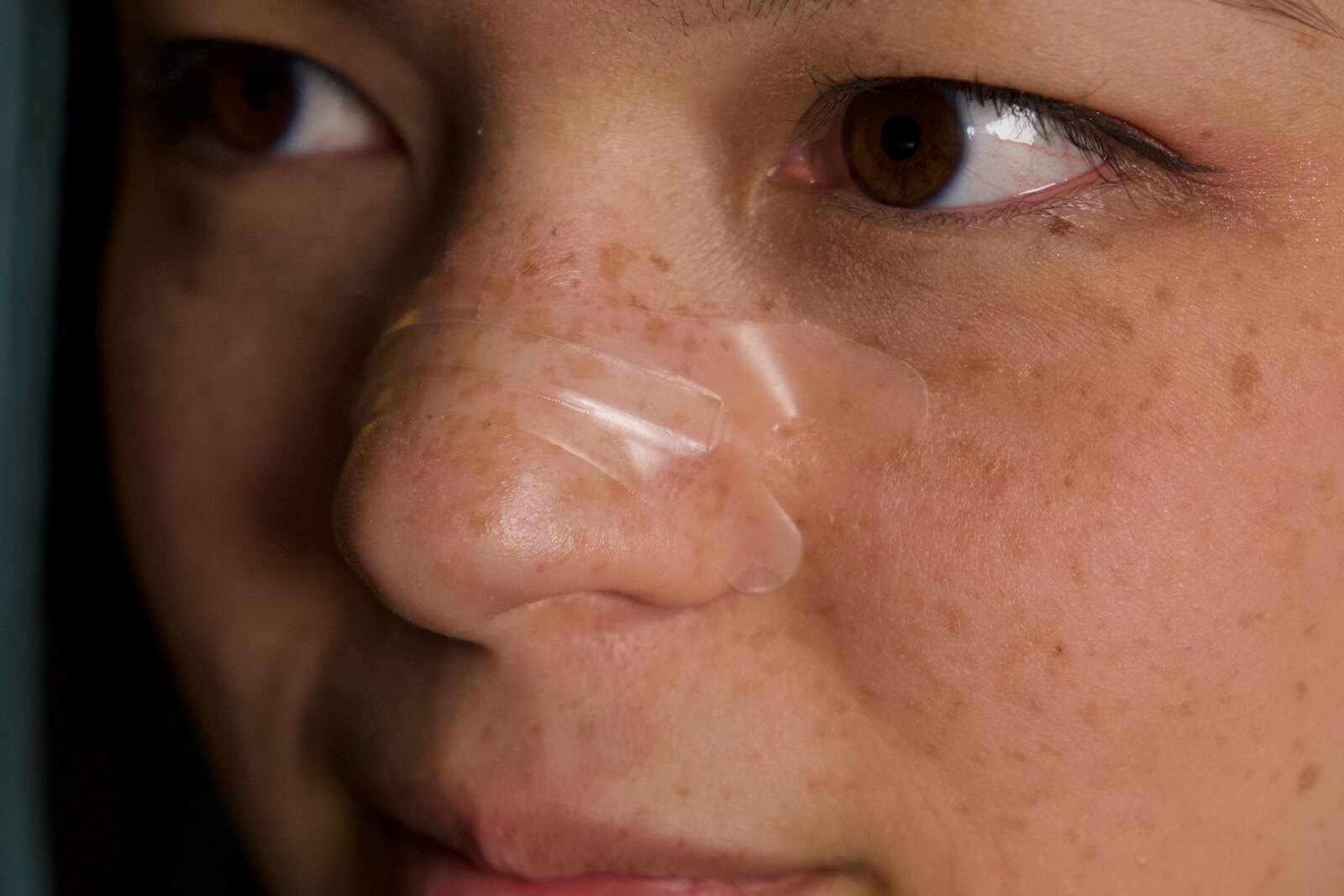
Nasal strips are small, flexible adhesive strips that you apply across the bridge of your nose. Inside each strip is a spring-like band that gently pulls your nostrils open. This widens your nasal passages, allows more air to flow through, and reduces breathing resistance.
Snoring happens when airflow through narrowed airways causes soft tissue in your throat and nose to vibrate. By opening your nasal passages, nasal strips may reduce nasal airflow resistance for some people, but the effect on snoring varies. They do not treat obstruction deeper in the airway, so improved airflow through the nose does not guarantee quieter sleep.
Types of nasal strips for snoring
1. Traditional adhesive strips
These are the classic nasal strips you know from brands like Breathe Right. They stick to your nose and use a spring-like band to pull your nostrils open. Pros: easy to use, widely available. Cons: the adhesive can cause skin irritation for sensitive skin, and some people find them uncomfortable.

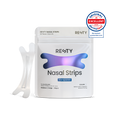
2. Transparent nasal strips
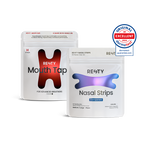
Transparent nasal strips use a clear, one-piece format for a discreet appearance. A clear finish does not prove that the adhesive is gentler or suitable for every sensitive skin type. Follow the instructions and stop if your skin reacts.
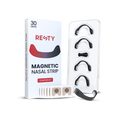
3. Magnetic nasal strips
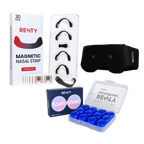
Magnetic nasal strips use a reusable clip with a fresh pair of adhesive tabs per session. Test the placement before a demanding workout and choose by comfort on your own nose.

Best nasal strips for snoring compared
The strips in this comparison come in two formats. A one-piece adhesive strip is used once and then thrown away. A magnetic system keeps a reusable clip and replaces only the adhesive tabs. The table compares Resty's nasal strips with Breathe Right Original, a classic one-piece strip.
| Nasal strip | Type | Reusable or single-use | How it works | In the pack |
|---|---|---|---|---|
| Resty transparent nasal strips | One-piece adhesive strip with a clear finish | Single-use: a fresh strip for every session | Flexible bands lift the sides of the nose from the outside | 36 strips (3-pack: 108, 6-pack: 216) |
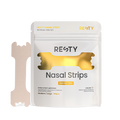
| Resty Sandy Tan nasal strips | One-piece adhesive strip in a warm tan colour | Single-use: a fresh strip for every session | Flexible bands lift the sides of the nose from the outside | 48 strips (3-pack: 144, 6-pack: 288) |
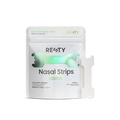
| Resty Minty nasal strips | One-piece adhesive strip with a noticeable mint scent | Single-use: a fresh strip for every session | The strip lifts the sides of the nose; the mint scent is a sensory feature | 48 strips (3-pack: 144, 6-pack: 288) |
| Resty magnetic nasal strips | Reusable magnetic clip with separate adhesive tabs | The clip is reusable; the adhesive tabs are single-use (one fresh pair per session) | The clip attaches magnetically to tabs on the sides of the nose and gently pulls them outward | Starter kit: 1 clip and 30 pairs of tabs (also with 90 or 180 pairs); refill packs contain tabs only |
| Breathe Right Original | One-piece adhesive strip with flexible, spring-like bands | Single-use: the brand advises a fresh strip each time | The bands gently lift and open the nose | Two sizes (Small/Medium and Large); UK packs of 10 or 30 strips |
Breathe Right details come from the brand's UK product page and FAQ. No strip in this table suits everyone: choose by fit, skin comfort and whether you want a reusable part.
A one-piece strip suits someone who wants simple application with no component to clean or keep. Resty's smallest transparent pack contains 36 single-use strips. Use one fresh strip per session and judge comfort on your own skin.
Sandy Tan nasal strips offer the same function as the transparent version but blend better with warmer skin tones. Check them out here.
Best reusable nasal strips: which part can you reuse?
None of the adhesive parts in this comparison is reusable. One-piece strips, including Resty's transparent, Sandy Tan and Minty strips and Breathe Right strips, are single-use. In a magnetic system, the clip is the reusable part and the adhesive tabs are replaced every session.

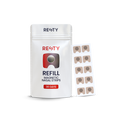
For a reusable format, start with the magnetic kit with clip and adhesive tabs. Already own the clip? Choose refill tabs, which do not include a clip. A fresh pair is required for every session; adhesive tabs are not reusable.
Best magnetic nasal strips: what should you check?
Check what the pack contains and how the system holds. In the Resty system, the magnets only connect the reusable clip to the adhesive tabs: the lift is mechanical, not a magnetic health effect. Within the Resty range, the magnetic kit offers the strongest lift, and the tabs need clean, dry skin to stay in place. Resty refill tabs are confirmed only for the Resty clip, so do not assume another brand's tabs fit. For a side-by-side look at both formats, read magnetic vs regular nasal strips.
What does science say about nasal strips for snoring?
Let's be honest: the scientific literature on nasal strips is mixed, and that's important to know. A small PubMed study of Breathe Right strips reported reductions in snoring-related noise, dry mouth and sleepiness for some participants. It was not a blanket guarantee, so the result should be interpreted alongside the wider evidence.
The Sleep Foundation adds nuance: there are relatively few large-scale, high-quality studies that conclusively prove the effect of nasal strips on snoring. A nasal strip may make airflow feel more open for some people, but it cannot promise quieter sleep or treat a deeper airway problem.
Nasal strips do not treat obstructive sleep apnoea. If you have or suspect sleep apnoea, see a doctor before relying on nasal strips. Loud snoring with gasping, witnessed breathing pauses or marked daytime sleepiness needs medical assessment. A quieter recording or easier nasal airflow does not rule out a sleep-breathing disorder.
Why nasal breathing matters for your sleep
Why nasal breathing matters. Nasal breathing warms, humidifies and filters inhaled air. Benefits vary by person; if congestion or another issue makes nasal breathing difficult, address that first instead of forcing a mouth-taping routine.

Open-mouth breathing can be uncomfortable and may leave the mouth dry. If it is persistent, look for the cause instead of assuming a product will fix it. Nasal-breathing comfort varies by person.
Tips for the best results with nasal strips
Clean your nose first. Wash with lukewarm water and dry thoroughly. Oily or moist skin reduces adhesion.
Place the strip correctly. It belongs on the bridge of your nose, just above the nostrils. Not too high, not too low. Press the ends firmly.
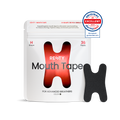
Consider mouth tape only when nasal breathing is clear. Some adults combine a nasal strip with mouth tape to support a nasal-breathing routine, but mouth tape is not suitable for everyone. Review Resty's mouth-taping safety guide before trying it.
Give it a week. Track comfort and sleep over several nights rather than expecting a universal result. Stop if your skin reacts or sleep feels worse.
Sleep on your side. Back sleeping increases snoring as your tongue and soft palate fall backward. Side sleeping may help some people with snoring, but it is not a universal solution.
FAQ: Nasal strips for snoring
What are the best nasal strips for snoring?
There is no single best nasal strip for everyone. The best choice fits your nose, suits your skin and matches whether you want a one-piece strip or a reusable clip. A strip only supports the front of the nose, so snoring from deeper in the airway may remain.
Are nasal strips safe for daily use?
Nasal strips are non-invasive, but adhesive can irritate some skin. Magnetic systems still use adhesive tabs, so patch-test according to the product directions and stop if irritation occurs.
Will nasal strips work for everyone?
No. Comfort and any effect on snoring vary. A strip only supports the front of the nose, so snoring from deeper airway narrowing may remain. Persistent disruptive snoring deserves assessment.
Can you reuse nasal strips?
One-piece nasal strips are single-use: use a fresh strip for every session. With magnetic nasal strips, you keep the clip and replace only the adhesive tabs each time.
Can I use nasal strips when I have a cold?
They may make nasal breathing feel more open during congestion. Follow the product directions, and if the congestion persists, look for the cause instead of assuming a strip will fix it.
The best nasal strip for your situation
Light snorer wanting something simple: Start with transparent nasal strips.
Prefer a reusable system: Go for magnetic nasal strips.
Want a combined routine: Some adults pair nasal strips with mouth tape, but only when nasal breathing is clear and comfortable. Mouth tape is not suitable for everyone and does not treat sleep apnoea; read the safety guide first.
Warmer skin tone: Choose Sandy Tan nasal strips for a natural look.
Choose a format you can test comfortably
Explore Resty's nasal strips and compare transparent, magnetic and tan options. Check the product instructions, prepare clean, dry skin and stop if irritation occurs.
Shop Transparent Strips Shop Magnetic StripsOwn a shop or pharmacy? Resty supplies nasal strips wholesale with trade terms for retailers.