


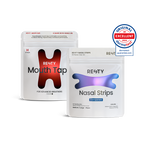

Nose Breathing During Exercise: How Nasal Strips Fit In
Nasal breathing during exercise can be a useful pacing cue at easy or moderate intensity. It is not a test of discipline and it does not need to replace mouth breathing when your body needs more airflow. The right approach is to practise comfortably, increase effort gradually and stop forcing the pattern when it no longer feels sustainable.
Why people practise it
Nasal breathing changes the sensation and resistance of airflow. Some people find that it encourages a slower start and helps them notice when their pace is too high. Others find it uncomfortable because of congestion, anatomy or the intensity of the session. Both responses are possible.
How to practise without forcing it
- Start with a walk or a very easy warm-up.
- Keep the inhale and exhale quiet and relaxed.
- Return to normal breathing as intensity rises or the pattern creates strain.
- Use perceived effort, conversation ability and safe pacing, not a promise of a specific metric, to guide the session.
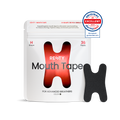
Mouth breathing can be a normal response to higher demand. Do not interpret it as failure, and never use mouth tape to force nasal breathing during exercise.
Where nasal strips fit
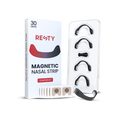
External nasal strips lift the sides of the nose from the outside. They may help when the front of the nose feels like the limiting area. They do not treat allergies, deep airway obstruction or a breathing disorder, and they do not replace warm-up, conditioning or safe pacing.

Apply to clean, dry skin before sweating and remove the strip if the skin becomes sore. Judge the product by comfort and airflow sensation, not by how dramatic it looks.
When not to practise
- Do not force nasal breathing during dizziness, chest pain, faintness or unusual breathlessness.
- Pause when you are ill, congested or recovering from a respiratory problem.
- Ask a qualified professional about unexplained exercise breathlessness or a known respiratory condition.
The practical goal is not to keep the mouth closed at any cost. It is to breathe comfortably, notice your pace and train in a way you can repeat.
A practical trial during an easy session
Choose a familiar walk or easy run and keep the route and effort similar. First note when nasal breathing feels comfortable without a strip. On another session, try magnetic nasal strips or a regular strip with your mouth free. Track nasal comfort, edge lift and skin response after removal. Keep breathing naturally as effort rises. For sweat-related problems, use the nasal-strip adhesion guide. One unusually good session cannot establish an improvement in fitness or performance.

Written by David Veth