


Nasal Strips Won’t Stay On? Causes and Fixes
Nasal strips won’t stay on? Start with clean, completely dry skin and check the placement before using more pressure. Apply the strip before you start sweating, following the placement diagram for your model, and press the full adhesive surface evenly. Keep moisturiser, facial oil and sunscreen out of the adhesive zone.
The goal is predictable adhesion and comfort, not a performance promise. External nasal strips can mechanically lift the sides of the nose and may change how open nasal airflow feels, but research does not establish a guaranteed improvement in pace, oxygen uptake or race results.
Answer first
Dry skin first, pressure second, sweat third
Prepare the nose before you begin sweating. Wash, rinse and dry the placement area, wait until skincare has absorbed elsewhere, press from the centre to the edges and give the adhesive a quiet minute before movement.
Best timingBefore the warm-up Main enemyOil, sunscreen and moisture Race ruleTest the exact setup in trainingWhy do nasal strips come loose during exercise?
Most failures come from the surface, placement or movement. Treat those separately instead of adding more and more pressure to a loose edge.
Surface
The skin is not truly dry
Sweat, moisturiser, sunscreen and natural skin oil reduce the clean contact area available to the adhesive.
Placement
The strip sits too high or on a crease
A strip needs broad, even contact over the lower bridge and sides of the nose. Hair, sharp folds and moving creases create lifting points.
Movement
You applied it after warming up
Once perspiration has started, drying the surface completely becomes harder. Repeatedly touching the strip also transfers oil and weakens the edge.
A six-step pre-workout adhesion routine
Use the same routine during an ordinary run before relying on it for a long session, HYROX or race day.
-
Wash the placement area
Use water and a mild cleanser if needed. Remove makeup, moisturiser, facial oil and sunscreen from the exact adhesive zone.
-
Dry completely
Pat the skin dry with a clean towel and wait until it feels dry rather than cool or damp. Do not use aggressive solvents on the face.
-
Choose the right position
Place the centre over the lower bridge, just above where the nostrils begin to flare. Keep both wings on smooth skin.
-
Press the whole surface
Press from the centre outward, then hold both sides firmly. Smooth air pockets without repeatedly peeling and re-sticking.
-
Wait before the warm-up
Give the strip a short undisturbed settling period. Put on sunscreen around, not under, the adhesive area when sun protection is needed.
-
How to remove nasal strips after exercise
Loosen an edge and peel gently while supporting the skin. Stop using the strip if irritation, pain or damaged skin develops.
Troubleshoot the exact failure
A clean restart with a fresh strip is usually better than pressing a contaminated edge throughout the workout.

| What happens | Likely reason | Next test |
|---|---|---|
| Edges lift in the first ten minutes | Oil, skincare or damp skin | Clean, dry and apply earlier |
| One side lifts repeatedly | Asymmetrical placement or a skin crease | Shift that wing onto smoother skin |
| The centre buckles | Strip placed too high or bent before contact | Centre lower and apply without stretching |
| It holds but feels painful | Too much tension or sensitive skin | Remove it; try a gentler fit or stop |
| It fails only on long hot runs | Accumulated sweat and friction | Compare another strip format in training |
Transparent, classic or magnetic: which format is easier to manage?
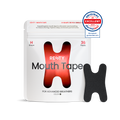
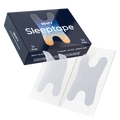
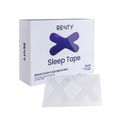
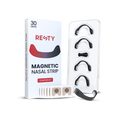
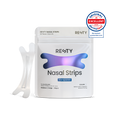
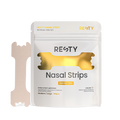
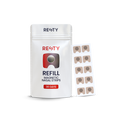
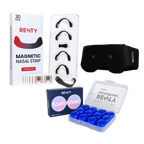
A one-piece transparent strip is quick and discreet. It works best when the complete adhesive surface starts clean and dry. A magnetic system separates the reusable bridge clip from fresh single-use adhesive tabs; the same skin-preparation rule still applies.
Neither format should be called sweat-proof without a specific validated claim. The practical choice is the one that remains comfortable and predictable on your skin during the exact duration and intensity you plan to use it.
- Use a fresh one-piece strip for every session.
- Use fresh adhesive tabs with the magnetic clip every session.
- Never apply over irritated, sunburned or broken skin.
- Do not add household glue or unrelated sports adhesive to the nose.
Breathing comfort is not the same as sports performance
An external dilator can mechanically reduce resistance around the front nasal valve for some users. That can make nasal airflow feel more open, particularly during an easy warm-up or controlled pace.
At harder intensities, normal breathing may shift naturally between the nose and mouth. Do not force nasal-only breathing, cover the mouth or use a strip as a reason to ignore dizziness, chest symptoms or unusual shortness of breath.
Build a race-day decision, not a ritual
Test the strip on an easy run, a sweat-heavy interval session and the clothing or sunscreen setup you will actually use. Record when it was applied, whether the edges moved and whether the skin was comfortable after removal.

If the strip is unpredictable, leave it out on race day. One less variable is better than stopping during a critical session to fix an adhesive product.
What research says about nasal dilators in sport
Choose and test your setup
Transparent nasal stripsA discreet single-use format for sleep, travel and training. Magnetic nasal stripsA reusable bridge clip with fresh adhesive tabs per session. Nasal strips for HYROXComfort, breathing limits and race-day decisions. Magnetic vs regular stripsCompare setup, reuse and day-to-day practicality.Sweat and nasal-strip FAQ
Can I put a nasal strip over sunscreen?
Not over the adhesive zone. Apply sunscreen to exposed surrounding skin and follow the sunscreen label, but keep the strip's contact area clean and dry.
Should I use alcohol to degrease my nose?
Avoid harsh solvents unless the strip manufacturer specifically instructs them. Mild cleansing and complete drying are the safer default for facial skin.
Can I reapply the same strip?
A one-piece strip should be treated as single use. Re-sticking a sweaty or contaminated strip makes adhesion less predictable.
Will nasal strips make me run faster?
There is no reliable basis for promising a faster pace, more oxygen or a personal best. Judge the product on fit and breathing comfort.
What if my skin is red after removal?
Stop and let the skin recover. Persistent irritation, swelling, blistering or pain warrants professional advice.
Test before race day
Start with the simplest discreet format
Apply a fresh transparent strip to clean, dry skin before an ordinary training session. Keep it only if the fit and removal remain comfortable.
View transparent nasal strips