Red Light Therapy with Resty MARS: Modes, Distance and Session Time
A red light panel at home gives you the freedom to make a light routine part of your day. After exercise, before skincare or during a quiet break: you do not need to rearrange your schedule around it. Give the panel a regular place and decide which area you want to illuminate.
The Resty MARS range lets you start small or choose more body coverage. Here is how panel size, light mode, distance and session time fit together in an everyday routine.
Start with the area, not the biggest panel
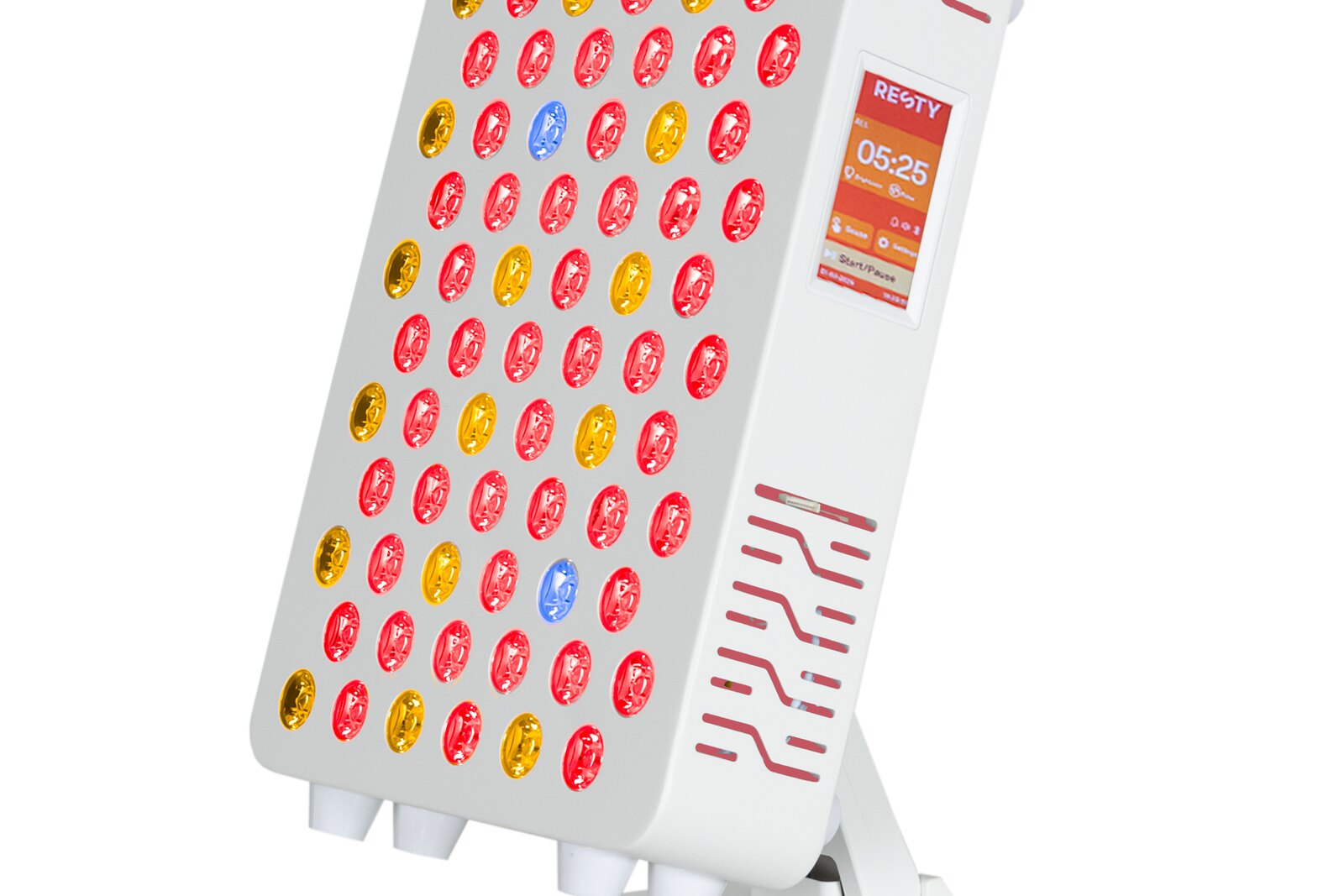
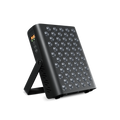
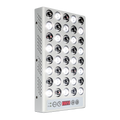
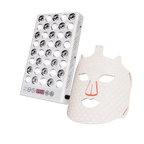
For your face, shoulders or a smaller body area, a compact panel is convenient: place it on a table and aim it at the area you have chosen. MARS 400 keeps the controls simple. MARS 600 combines a compact format with more settings.
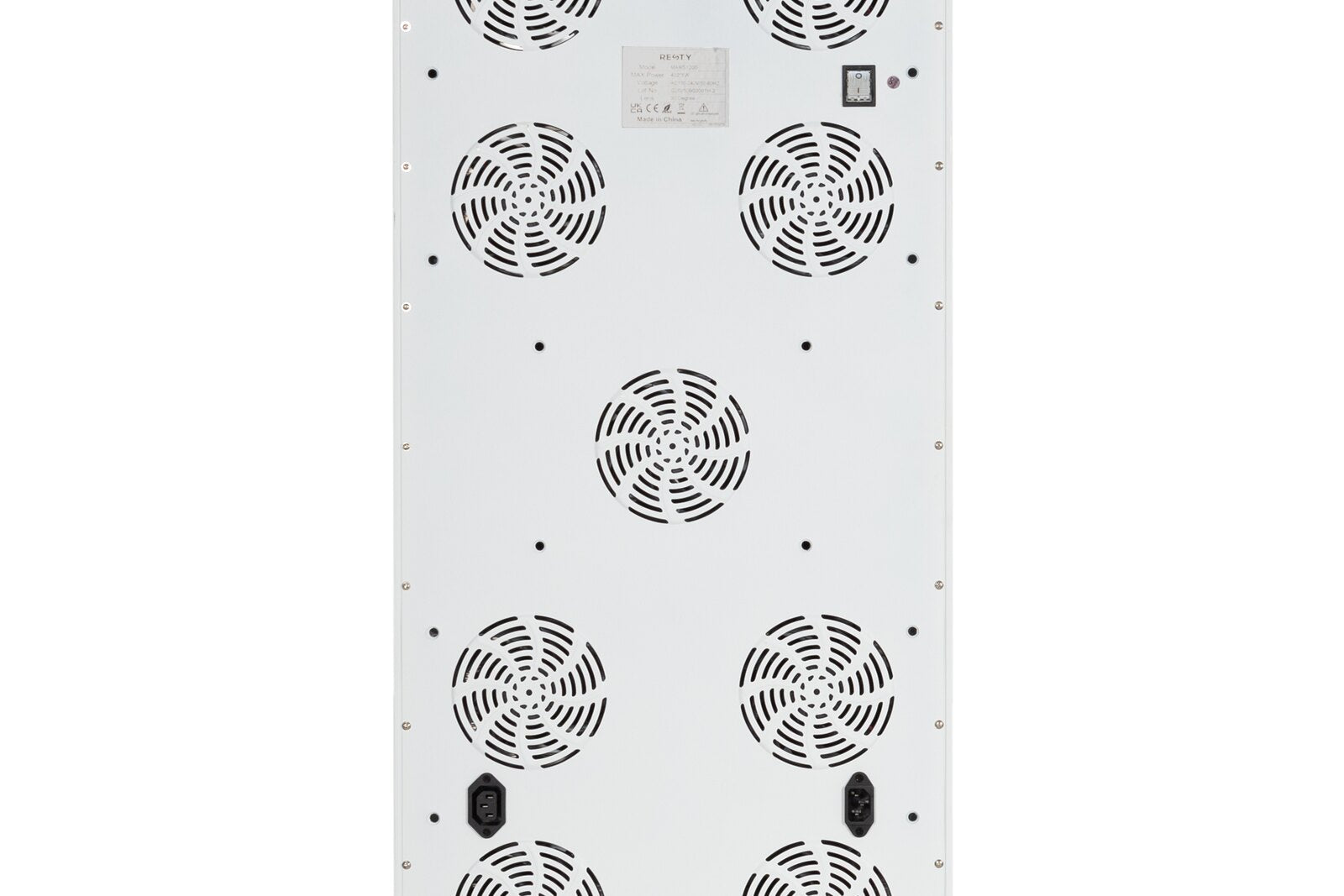
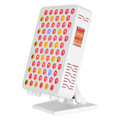
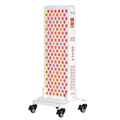
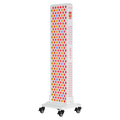
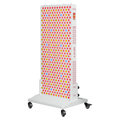
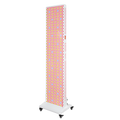
The larger MARS panels are more practical for a greater part of the body. MARS 800 adds length for the upper body. MARS 1000 and 1200 extend coverage further, with the 1200 also offering extra width. MARS 2000 is the largest format in this range for full-body coverage routines. The practical advantage of more surface area is fewer changes of position.
Red light, near-infrared or both?
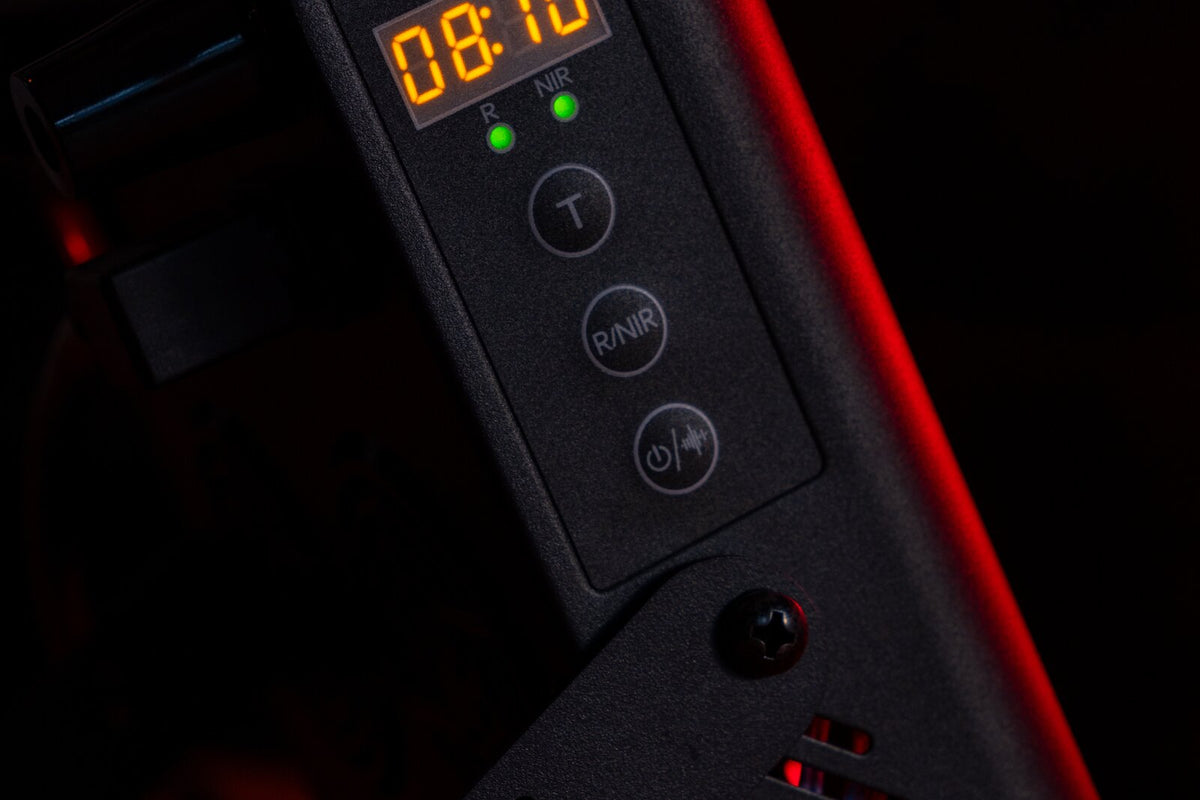
Visible red light gives a MARS panel its familiar glow. Near-infrared, often shortened to NIR, is barely visible. Both belong to the MARS range. Depending on your model, you can select them separately or together.
MARS 400 offers 660 nm red light, 850 nm NIR and the combination. The current MARS 600-2000 range has nine wavelengths and lets you dim individual channels. This gives you more freedom to choose your light settings without having to use every option during each session.
A red-only mode and red plus NIR are different selections. ALL on the current MARS 600-2000 also includes blue and yellow channels. Choose the mode you want and keep that selection for your next session to make the routine straightforward.

Make the setup easy
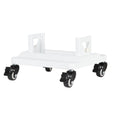
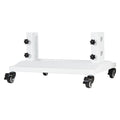
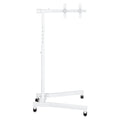
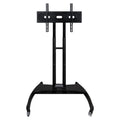
Give your panel a place where you can sit or stand comfortably. Aim the LED surface towards the skin area you want to illuminate. A tabletop setup works well for the face or shoulders; a suitable stand or mount can provide more room for larger areas.
Expose the chosen skin area. A T-shirt between the panel and your back changes the setup compared with direct illumination. Stay in roughly the same position during the session. Put on music or a podcast so the moment does not feel like another task on your list.
Distance affects both the light reaching the area and how the beam spreads over the skin. Measure from the LED surface to your skin. Choose a setup you can easily repeat instead of moving the chair and panel around every session.
How long is a session?
MARS 400 has a specific starting point: approximately 30 cm away, a standard ten-minute cycle and initially three sessions per week. The stated distance range is 15-30 cm. This makes it a straightforward option for a simple, consistent routine.
MARS 600-2000 provides more control. Its timer can be set from one to thirty minutes, alongside your selected light mode and brightness. These are the available settings; a larger number is not automatically the best choice. Use your model's instructions for distance, time and frequency.
Choose one area for each setup. To illuminate another area afterwards, deliberately change your position or the panel's direction. A larger panel can cover several areas at once; a compact panel calls for more changes of position. That is the distinction between panel size and session time.
A routine that fits your day
Around exercise. Set the panel up where you can sit for a while after a workout. Choose the body area you want to include and keep the setup familiar. You do not need a new program every day.
Alongside skincare. Make it a regular moment on clean, dry skin, for example before continuing with your usual skincare. A compact panel is convenient for a face routine because it is easy to position at the right height.
During a quiet break. A familiar place and time make a routine easier to maintain. Choose something already in your day: coming home, putting away your gym bag or your evening skincare. Let the panel fit that moment instead of organising your whole day around the light.
MARS, daylight and infrared heat are different routines
Aim MARS at a selected skin or body area. For bright daylight at your desk or the start of your day, the Resty Sunlike daylight lamp is a different product. Our infrared heat lamps are for a warming moment. Start with the experience you want: targeted LED illumination, daylight or heat.
A few essentials before you start
Use the eye protection and follow your model's instructions. Keep the panel dry, ventilation clear and stay awake during use. Stop for discomfort. Check the manual's warnings about photosensitivity, medication and other contraindications before starting.
Keep it simple enough to repeat
You do not need an elaborate schedule or a long list of settings. A chosen body area, a regular setup and a moment that fits your day are the foundation. Explore the Resty MARS panels and choose the format for the areas you want to illuminate.