
Red Light Therapy and Sleep: Evening Routine & Limits
Red light therapy and sleep are often discussed together because evening light feels different from a bright, blue-rich screen. That does not mean every red-light device improves sleep or changes melatonin. The useful approach is to make the evening environment calmer and observe how your own body responds.
Red light is not the same as darkness
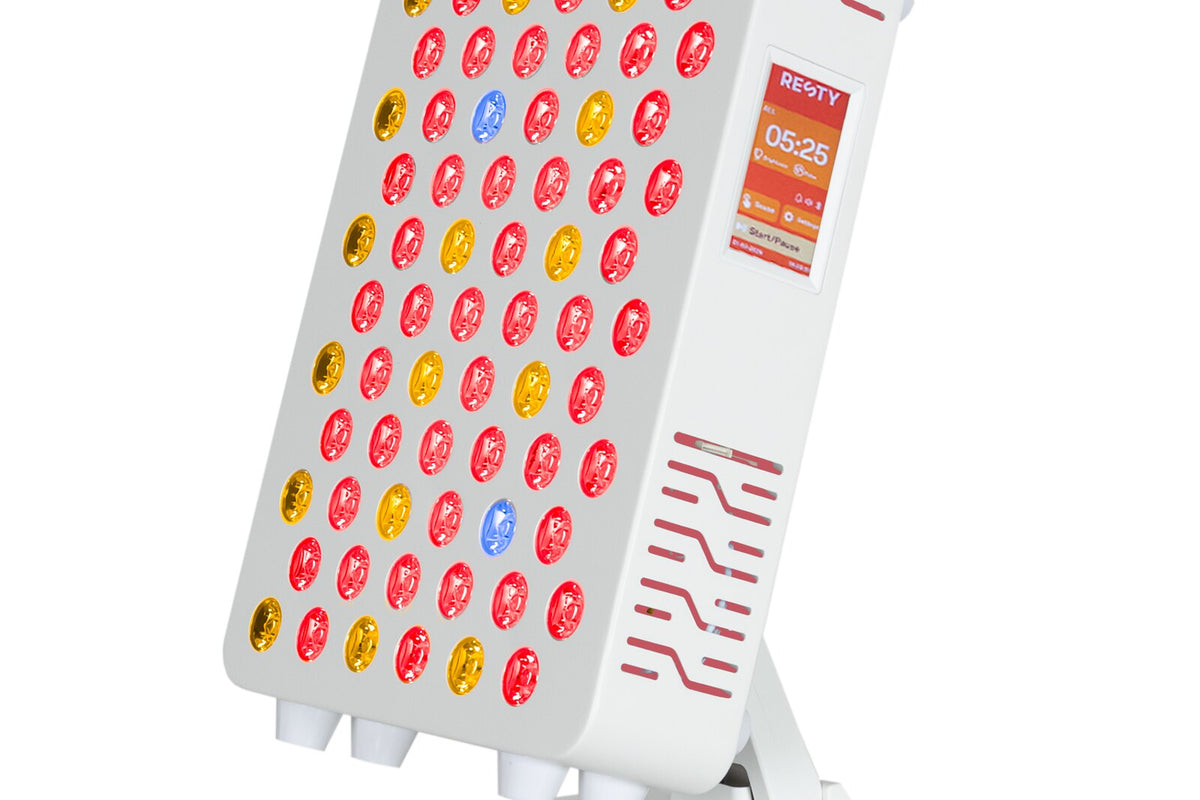
A red or near-infrared device still emits light and may still feel bright or warming. Keep the session earlier if it makes you alert. Then dim the room, reduce stimulating screens and use a consistent bedtime routine. The environment matters more than a colour label alone.
What research can show
Photobiomodulation studies use different wavelengths, outputs, session times and sleep outcomes. Do not claim that a home panel increases melatonin or deep sleep unless the exact protocol measured it. Use the evidence as context and follow the manual for the device you own.

A calm evening routine
- Finish demanding work and choose a realistic wind-down.
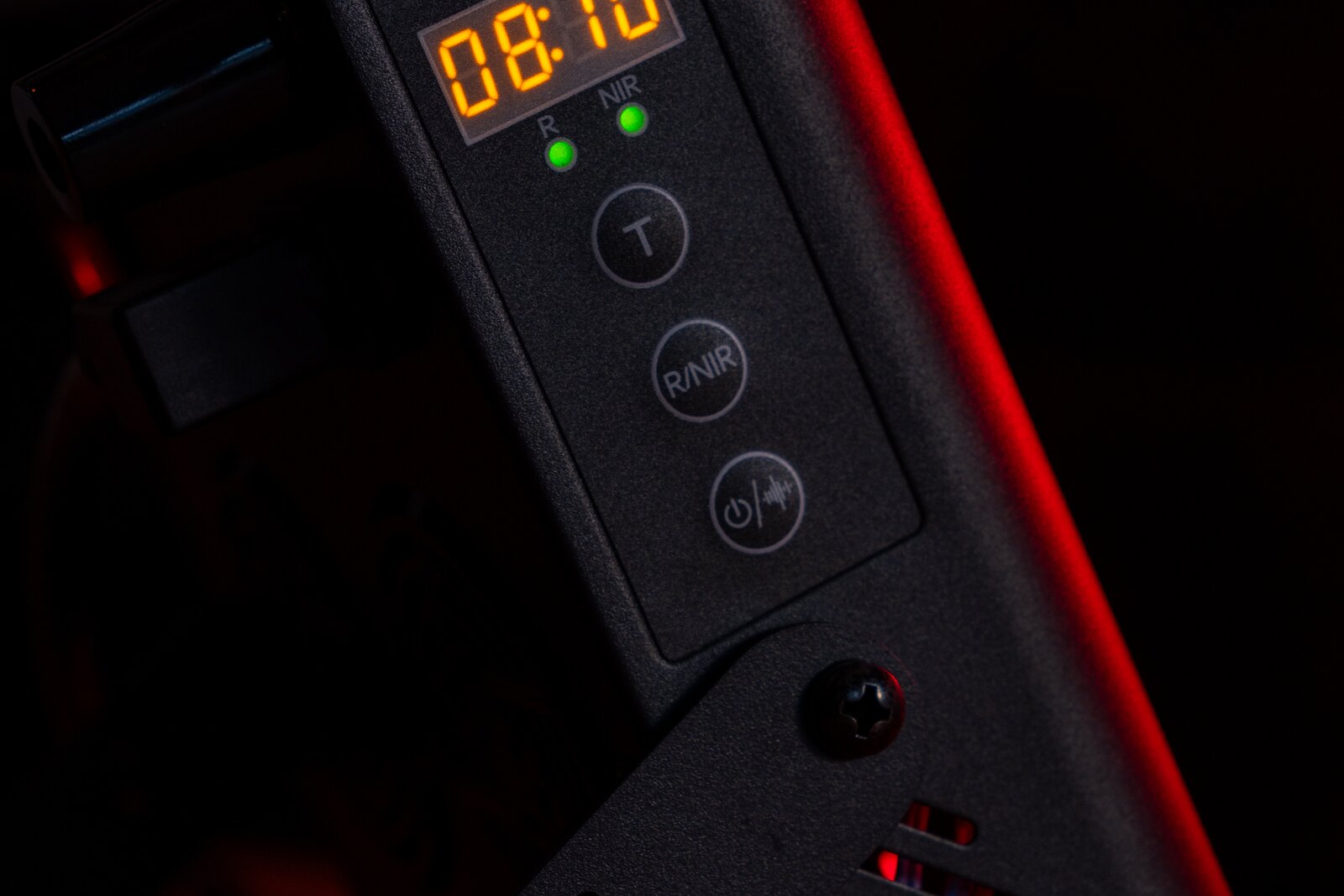
- Use the panel at the stated distance and timer; do not chase a stronger sensation.
- Stop for eye symptoms, persistent redness, discomfort or excessive heat.
- Turn the session into a cue for reading, stretching or another quiet activity.
If sleep is persistently poor, or snoring includes gasping or breathing pauses, ask a qualified professional. A light routine should not delay assessment.
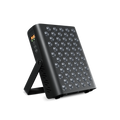
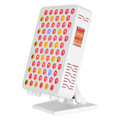
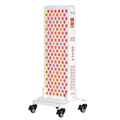
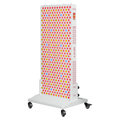
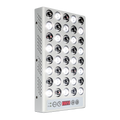
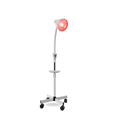
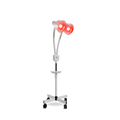
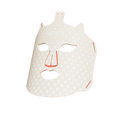
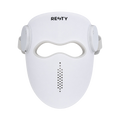
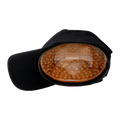
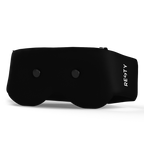
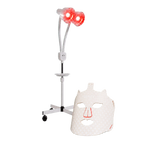
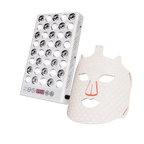
Explore the Resty red light collection and choose the format that fits your space. Comfort and consistency come before optimisation.