Red Light Therapy for CrossFit Recovery: Simple Routine
CrossFit combines strength, conditioning, skill and high effort, so recovery routines should reduce complexity rather than add another demand. Red light therapy may be one optional part of that routine. It is not injury clearance, a substitute for sleep or a guarantee of performance.
What research can and cannot show
A 2026 crossover trial in 12 male CrossFit athletes found no difference between recovery strategies for its primary one-hour jump outcome; several 24- and 48-hour secondary outcomes favoured local photobiomodulation combined with a static magnetic field. That device setup and small sample do not establish a routine for a home panel. A 2025 systematic review of five whole-body photobiomodulation studies found no exercise-recovery or performance benefit. Treat both as context, not a guarantee or dosing protocol. Read the CrossFit trial and the whole-body review.
A practical CrossFit routine
- Choose the target: decide whether you are tracking legs, shoulders, back or another area.
- Record the context: note the workout type, unusual volume and how the area feels before the session.
- Follow the manual: use the stated distance, timer and frequency for your exact panel.
- Compare like with like: compare similar training days rather than a competition with an easy session.
- Stop when needed: pain, persistent redness, eye symptoms or excess heat are reasons to stop.

Recovery basics still lead
Sleep opportunity, enough food and fluids, sensible load progression, rest days and appropriate strength programming do more for a sustainable training week than any single light session. If pain persists or function changes, get it assessed instead of treating it with a panel.
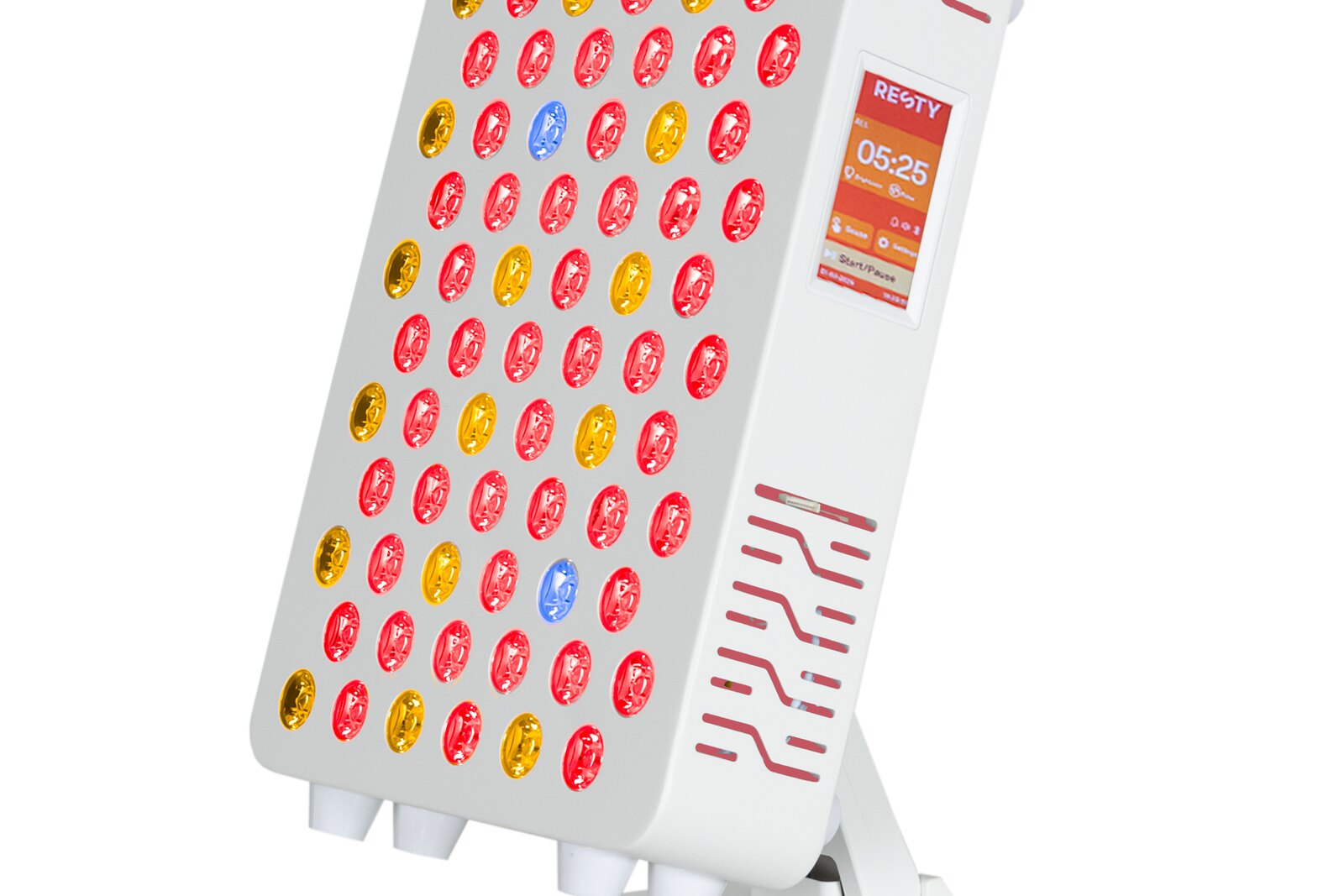
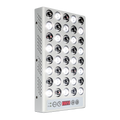
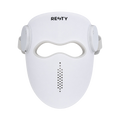
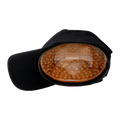
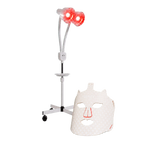
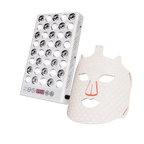
Explore the Resty red light collection by coverage. The best setup is the one you can use calmly and consistently.
A changing workout makes personal results difficult to interpret. Keep workout type, load and the tracked area in your notes. Use the before-or-after-training guide for timing and the panel-size guide for coverage; session settings still come from your model's manual.
Own a gym or CrossFit box? See how red light sessions for gyms and CrossFit boxes work with Resty.