

Red Light Therapy for Runners: Recovery & Routine
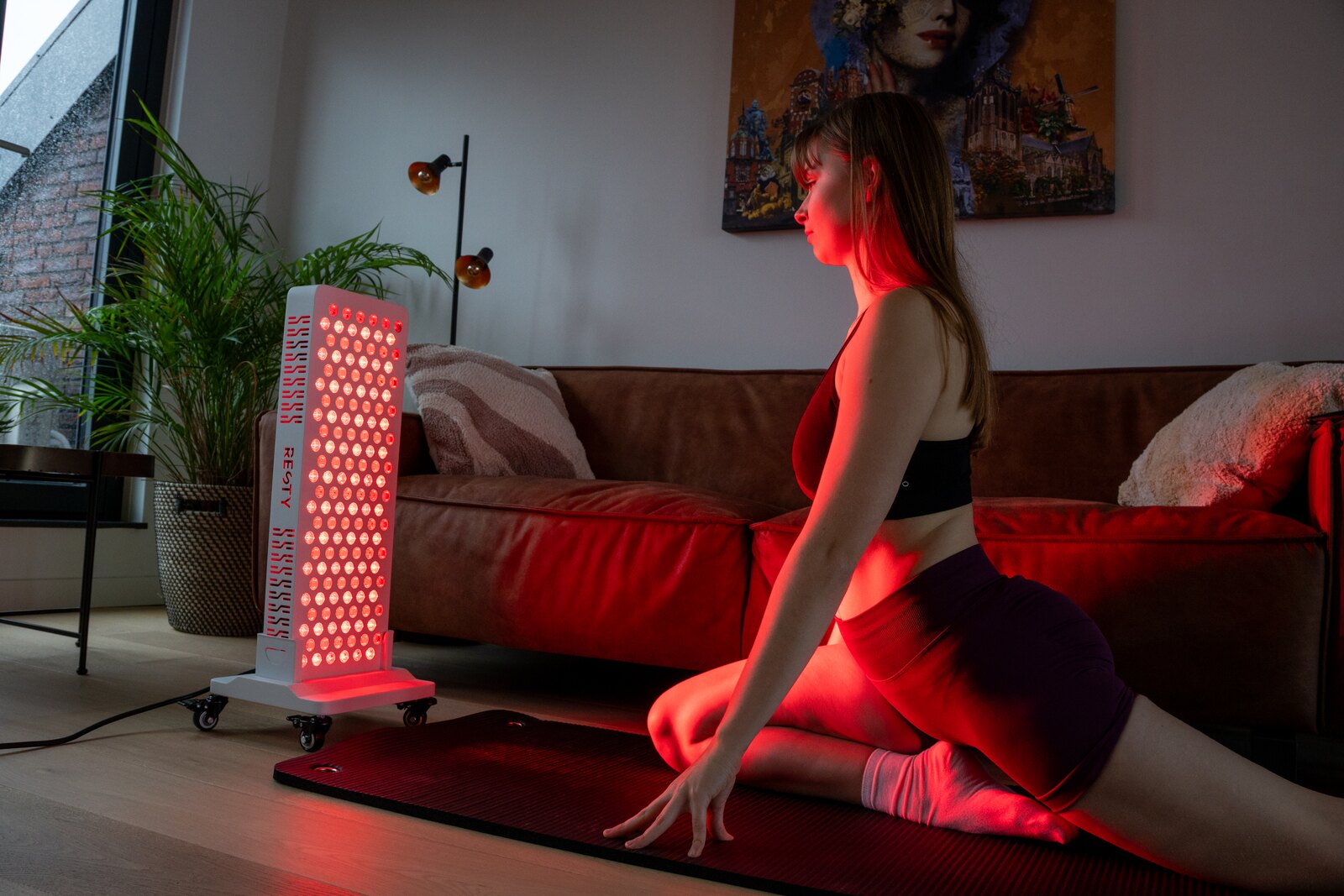
Runners often use red light therapy as one part of a recovery routine. The honest question is not whether it guarantees faster running or prevents injury, but whether the session is comfortable, fits the training week and helps you track a defined outcome without replacing rest or medical care.
Where it may fit
A session can be scheduled around a calm recovery moment after a run or on a lighter day. It is not a substitute for training progression, sleep, food, hydration, strength work or rest. If a session makes you hot, irritated or uncomfortable, reduce the routine or stop.
A systematic review of photobiomodulation in injured athletes examined pain and return-to-play outcomes across different protocols. The findings are useful context, but they do not establish one universal dose or guarantee for every runner. Read the review on pain and return to play.
A simple runner's routine
- Choose one area and one outcome, such as comfort after a normal run.
- Record the run distance, effort, surface and any soreness before the session.
- Follow the exact device distance and session time.
- Compare similar runs rather than a hard race with an easy recovery jog.
- Stop if you develop pain, skin irritation, eye symptoms or unusual heat.

One calf or a larger leg area?
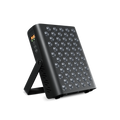
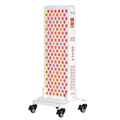
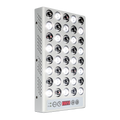
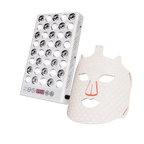
Decide how much repositioning fits your routine. A compact MARS 400 is an option for a smaller target area. Broader leg coverage needs a separate space and positioning decision, which the panel-size guide explains. Keep left and right sides separate in your notes, record each position and follow the manual's total exposure guidance. A longer run is not a reason to lengthen the light session.
Red light is not injury clearance
Pain that persists, swelling, loss of function or a sudden change in running tolerance needs appropriate assessment. Do not use a panel to push through a suspected stress injury or to delay a clinician.
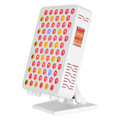
Explore the Resty red light collection by format and coverage. Keep the routine modest, consistent and subordinate to the basics of recovery.
Coaching runners in a studio or club? Resty supports red light sessions for your members.