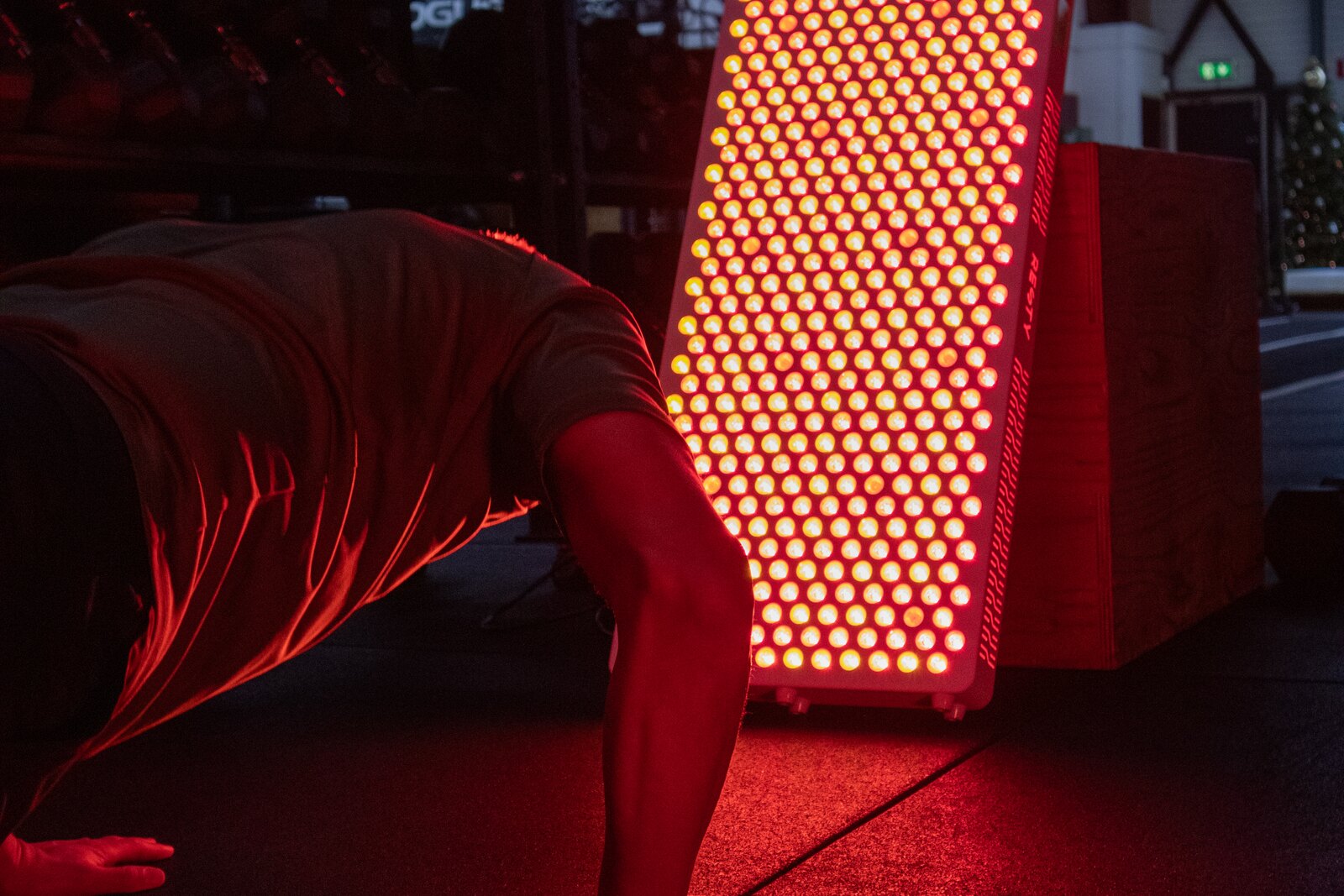

Red Light Therapy After Exercise: Near-Infrared & Recovery
Near-infrared light is often discussed as “deep recovery” because it has different tissue-penetration properties from visible red light. That phrase is not a guarantee of a deeper or better result. The useful questions are what wavelengths the device emits, what the manual recommends and which outcome you are actually tracking.
Red versus near-infrared
Visible red and near-infrared wavelengths are both used in photobiomodulation. Near-infrared light is less visible, but “less visible” does not mean you can ignore eye guidance or use a higher exposure. Compare the wavelength information and recommended distance for the exact panel.
What the evidence covers
Studies examine different outcomes, including pain, muscle performance and recovery after exercise-induced stress. A systematic review of photobiomodulation in injured athletes illustrates how much protocols differ. See the review on pain and return to play for the evidence boundaries.

A cautious post-exercise routine
- Choose one trained area and define the outcome, such as next-day comfort.
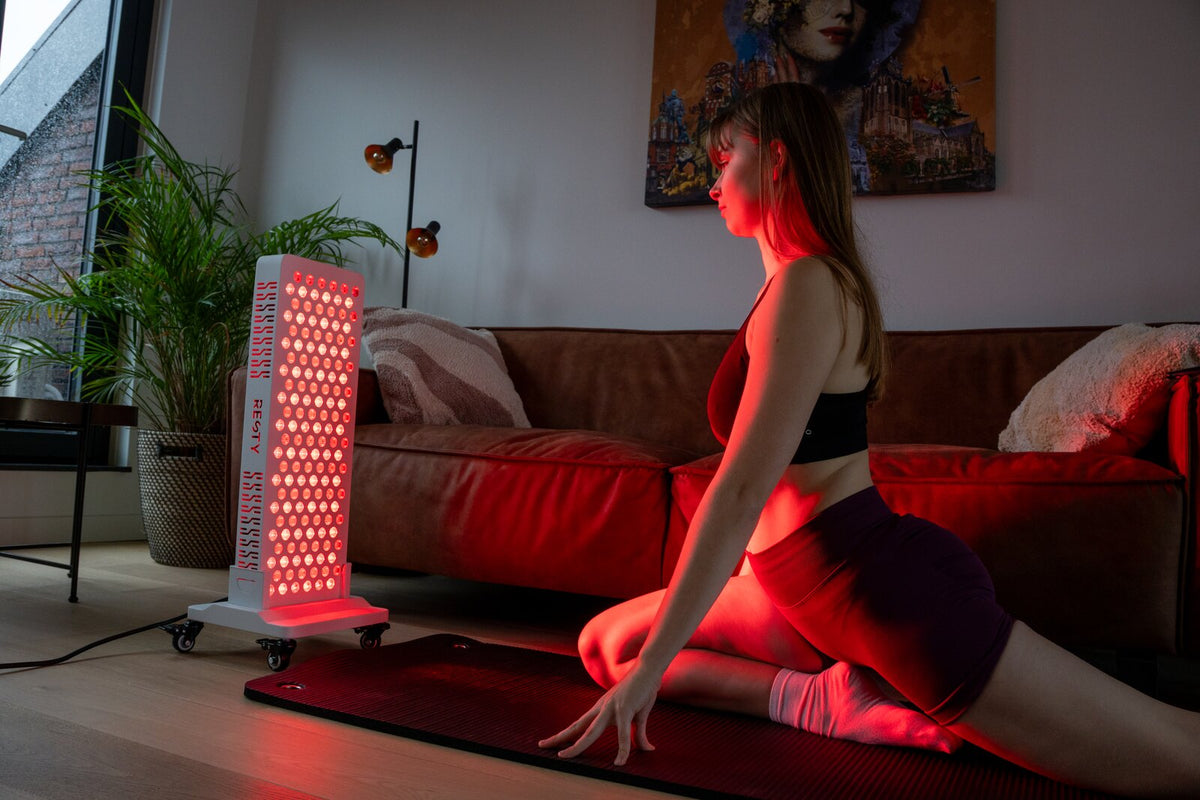
- Use the device's stated distance and timer; do not improvise a stronger dose.
- Keep the session consistent when comparing similar workouts.
- Stop for persistent redness, pain, eye symptoms or excess heat.
If you have a suspected injury, swelling, loss of function or pain that does not settle, seek appropriate assessment. A light panel should not be used as injury clearance.
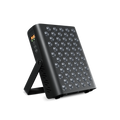
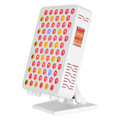
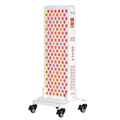
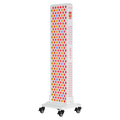
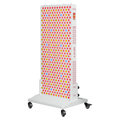
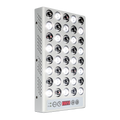
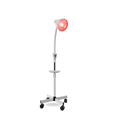
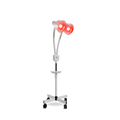
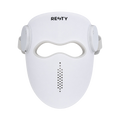
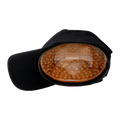
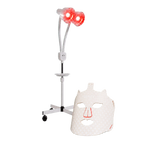
Explore the Resty red light collection and compare coverage, specifications and instructions before choosing a format.
For the wavelength question, compare 660 nm red light with 850 nm near-infrared. For the timing question, use the before-or-after-workout evidence guide. These are separate decisions: neither a less visible mode nor immediate post-workout use establishes a better recovery result.