










Nasal Breathing for Exercise: Comfort, Pacing & Limits
Nasal breathing for exercise is best treated as a pacing and awareness practice, not a performance shortcut. It may feel comfortable during walking, warm-ups and easier sessions. When intensity rises, breathing through the mouth can be a normal way to meet demand. The right pattern is the one that lets you exercise safely.
What nasal breathing can change
The nose adds airflow resistance and conditions the air. Some people find that this makes them start more slowly and notice tension or over-effort earlier. It does not guarantee a higher VO2 max, faster recovery or a specific heart-rate response, and individual training outcomes vary.
How should you breathe while running: nose or mouth?
- Use nasal breathing for five to ten easy minutes.
- Keep the pace low enough to remain relaxed and in control.
- Switch to mouth breathing whenever the effort or environment requires it.
- Increase training demand through normal programming, not by sealing the mouth.
Nasal strips during training
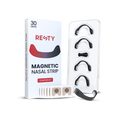
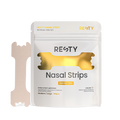
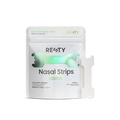
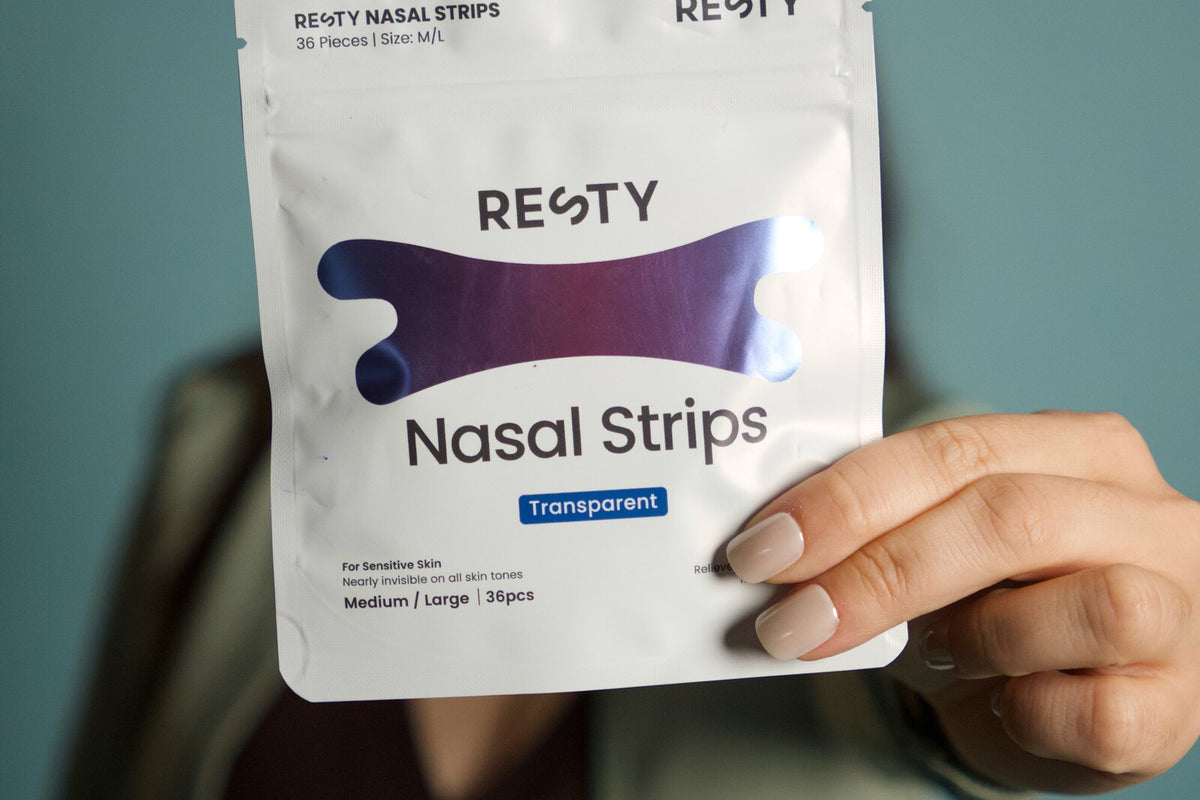
Nasal strips are external mechanical aids. They may make the front of the nose feel more open, which can be useful during a run or ride for some people. They do not treat asthma, allergies, deep obstruction or exercise breathlessness.

Apply before sweating to clean, dry skin. Stop if the adhesive irritates the skin or the product changes your breathing in an unpleasant way.
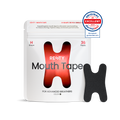
Mouth tape is not an exercise tool
Do not use mouth tape while running, lifting, cycling or doing high-intensity work. If you need to open your mouth, that is useful feedback about the demand of the session. A tape strip should never limit your ability to breathe.
Stop and get advice
Stop for chest pain, faintness, wheezing, unusual breathlessness or dizziness. Repeated symptoms deserve assessment rather than a stronger focus on breathing technique.
Use nasal breathing as an optional skill that supports awareness. Let comfort and safe pacing decide when you switch patterns.