
Nutrition and Sleep: Practical Food & Timing Habits
Nutrition and sleep influence each other, but there is no single “sleep food” that fixes a difficult night. What you eat, when you eat, caffeine, alcohol, digestion, health and routine all interact. Use the ideas below as experiments rather than universal rules.
Meal timing
A large or spicy meal close to bed can feel uncomfortable for some people, while others sleep normally after a later dinner. If digestion affects you, finish the main meal earlier and keep a later snack small and familiar. There is no need to force a fixed two- or three-hour rule if your body responds differently.
Caffeine
Caffeine sensitivity varies and caffeine can remain active for hours. Test an earlier cut-off for a week, especially if you take a long time to fall asleep or wake during the night. Include coffee, tea, energy drinks, pre-workout and some medicines in your personal calculation.
Alcohol and sleep
Alcohol may make falling asleep feel easier while still fragmenting sleep or worsening snoring for some people. If you notice that pattern, compare alcohol-free nights without changing every other part of the routine. Persistent snoring or breathing pauses should be assessed rather than explained away as a food issue.

Nutrients and supplements
A varied diet supplies nutrients involved in general health, but a supplement is not automatically a sleep treatment. Avoid high-dose experiments without appropriate advice, especially if you take medication, are pregnant or have a health condition. If deficiency is a concern, discuss testing and treatment with a qualified professional.
A simple evening experiment
- Keep dinner and bedtime reasonably consistent for several nights.
- Change one variable, such as caffeine timing or meal size.
- Record sleep onset, awakenings, morning energy and digestion.
- Keep the change only if it is comfortable and useful.
Nutrition can support a sleep routine, but it cannot replace assessment for insomnia, reflux, sleep apnoea or another health problem. Keep the experiment simple and the claims modest.
Keep building the routine
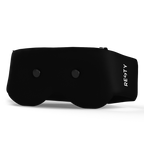
Continue with the Resty learning hub and use the sleep mask when a darker, calmer sleep environment is the practical gap.