

Free test · about 2 minutes
Biological age test: how old is your lifestyle?
Twelve short questions about sleep, light, exercise and daily habits. You see right away which habits cost years and which save them, with the study behind every number.
This test needs JavaScript. Turn it on in your browser to see your result.
Your result
Your lifestyle age
An indication based on your habits, not a measurement of your body.
Your three biggest levers
Your habits are already close to the most favourable answers. Keep it up.
What costs years and what saves them
Change an answer to see what it does to your result.
- Saves years
- Costs years
Make these habits easier
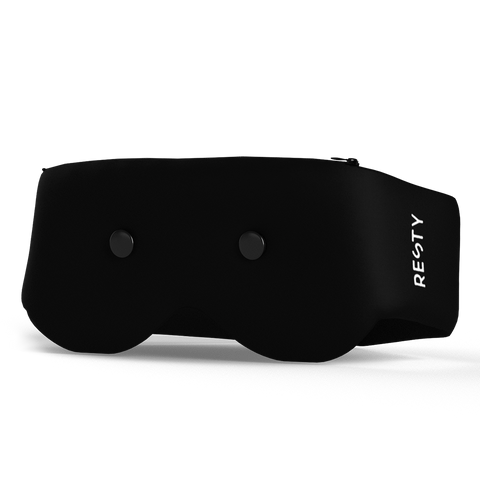
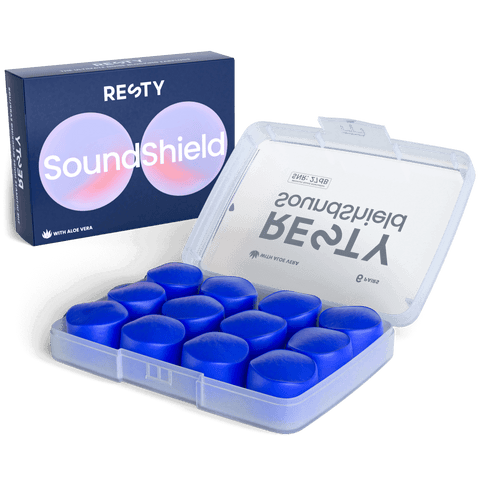
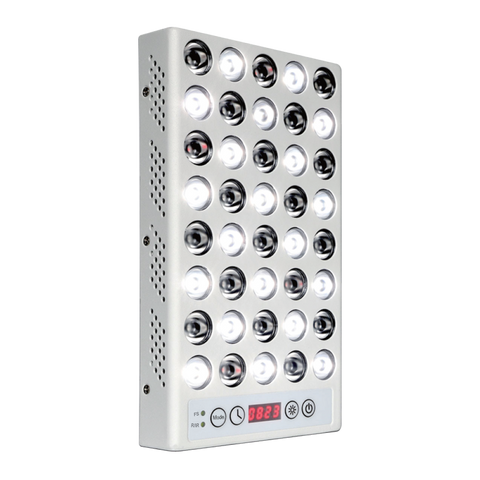
- No email needed
- Answers stay on your device
- Sources for every number
Method
How we calculate your lifestyle age
Large studies followed hundreds of thousands of adults for years. For each habit, they compared the risk of dying during the study with a reference group.
In adults that risk roughly doubles with every eight years of age. That lets us turn a difference in risk into years. Researchers call this a risk advancement period.
Your lifestyle age is your age plus the years for each answer. Answers that match the reference group count as zero.
What the test can and cannot do
- It does not measure blood values, DNA or organs. It is an indication based on your habits.
- The studies show associations. They do not prove that one habit on its own is the cause.
- Habits are added up as if they were independent. In real life they overlap, so the total is a rough estimate.
- Some answers are matched to the study categories. Variation in bedtime stands in for measured sleep regularity, and time outside for measured light.
- The effects are averages from large studies, mostly from Europe and North America. The total is capped at 12 years younger and 20 years older.
Sources
Frequently asked questions
What is biological age?
Biological age describes how far your body has aged compared with other people of the same age. Labs estimate it from blood values or DNA markers, so-called epigenetic clocks. This test does not measure your body. It turns habits that large studies link to a longer or shorter life into years, so you can see which habits weigh most for you.
How accurate is the test?
It is an indication, not a measurement. The numbers come from studies of hundreds of thousands of adults and describe averages, not individuals. Genes, health and habits that are not in the test also matter. Use the result to see which habits weigh most, not as an exact age.
Can you lower your biological age?
Your date of birth stays the same, but your habits can change. In the studies, people who slept regularly, moved more, did not smoke and drank less had a lower risk than people with the opposite habits. Small, steady changes are the easiest to keep: a fixed bedtime, a daily walk outside and a dark bedroom.
Why do daylight and darkness count?
Your body clock runs on light. In a UK Biobank study, more than 88,000 people wore a light sensor on their wrist for a week. Those with brighter days and darker nights had a lower risk of dying in the following years than those with dark days and bright nights. Daylight outdoors is many times brighter than indoor lighting, even on a cloudy day.
Did NASA research red light and ageing?
No. In the 1990s NASA funded LED research, first to grow plants in space; the same LEDs were later tested in hospital research. NASA did not study skin ageing, wrinkles or biological age, and no reliable research shows that red light lowers biological age. That is why red light is not part of this test.
What happens to my answers?
Nothing leaves your device. The calculation runs in your browser, your answers are not stored or sent, and you do not need an email address.
When should you go to bed? Plan it with the free sleep calculator.
Open the sleep calculator