


Daylight Lamp vs Wake-Up Light: Which One Fits Your Morning?
A daylight lamp and a wake-up light both add light to a dark morning, but they do different jobs. A wake-up light gradually brightens before the alarm so the transition starts while you are still in bed. A daylight lamp is used after you wake, with your eyes open, to create a deliberately bright morning or daytime environment.
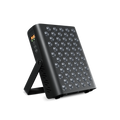
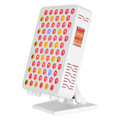
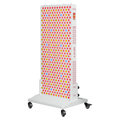
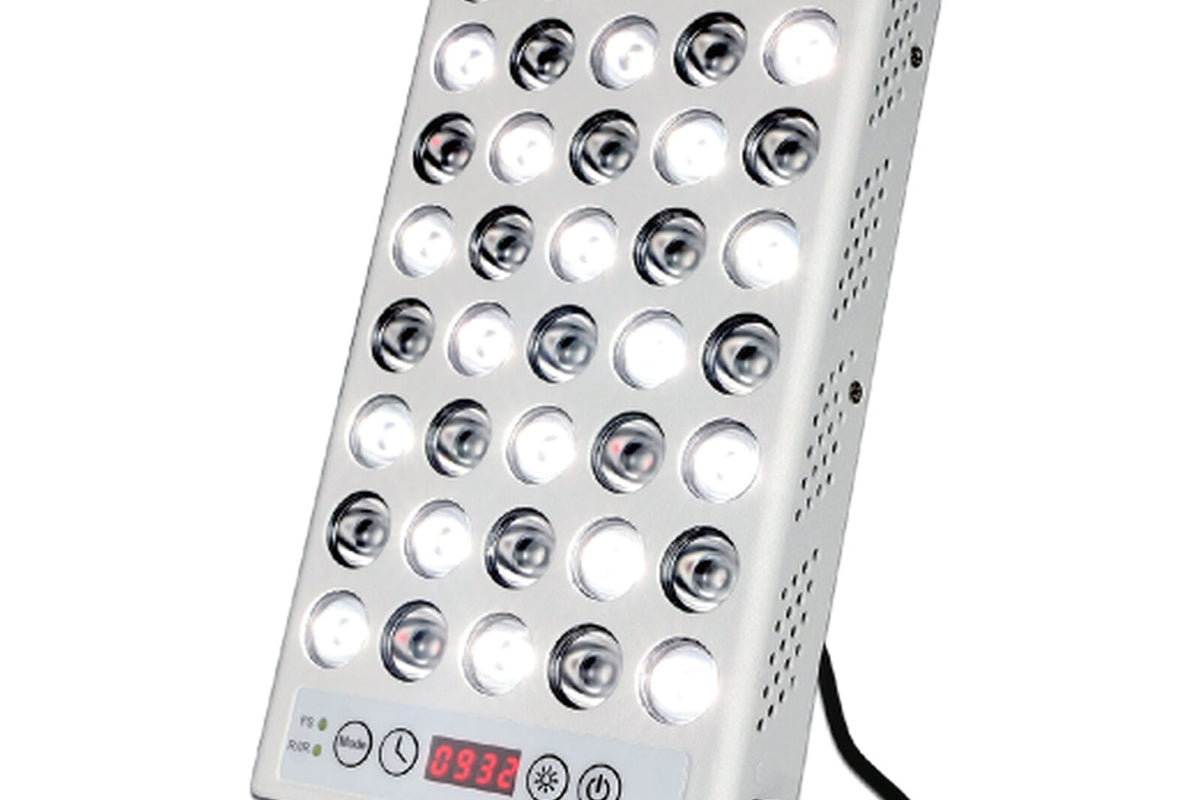
The practical choice is therefore not which lamp is universally better. It is whether your main problem happens before waking or after waking. The Resty Daylight Lamp 10,000 Lux is the second type. Its current product information lists full-spectrum light, five brightness levels and a timer, but no sunrise programme, bedside alarm or automatic pre-wake ramp.
The short answer
- Choose a daylight lamp when you want bright visible light during breakfast, reading or the first work block.
- Choose a wake-up light when you want a gradual bedside sunrise before an alarm.
- Choose both only when these are two separate problems and you will use both devices consistently.
- Do not compare lux without distance. Resty lists up to approximately 10,000 lux at 80 cm in full-spectrum mode.
- Do not turn a lifestyle routine into treatment. Persistent seasonal depression or sleep problems need qualified assessment.
Daylight lamp vs wake-up light comparison
| Decision point | Daylight lamp | Wake-up light |
|---|---|---|
| Main job | A bright environment while awake | A gradual light transition before waking |
| Timing | After waking or during daytime | Usually 20 to 40 minutes before an alarm; model dependent |
| Brightness | Can be specified at 10,000 lux at a stated distance | Usually much lower and designed to ramp; check the model |
| Eyes | Open, with light in the field of view; no staring | Starts through closed eyelids and continues as you wake |
| Placement | Desk, breakfast table or fixed daytime spot | Bedside, facing the sleeper without obstruction |
| Controls to check | Brightness, timer, distance and beam | Alarm, ramp length, final brightness and sound |
| Best match | Dark mornings and dim indoor workdays | Abrupt alarms and waking before sunrise |
| Resty match | Yes: full-spectrum mode up to about 10,000 lux at 80 cm | No: the current lamp is not listed as a sunrise alarm |
The difference is timing, not just brightness
A wake-up light changes the bedroom before your chosen wake time. It slowly raises light from dim to brighter, often adding sound at the end. Its value is automation: you do not need to switch it on after the alarm. The final lux, ramp shape and position vary by model, so the label wake-up light does not promise a 10,000-lux session.

A daylight lamp starts when you are already awake. You place it at a known distance and keep the bright light in your visual field while eating, reading or working. Resty’s separate guide explains how distance, duration and timing change a 10,000-lux setup. This is a focused, awake routine rather than a simulated sunrise.
Those categories can overlap in marketing language. Some alarm clocks call themselves daylight lamps, and some bright-light products add clocks. Ignore the label and check the actual behaviour: does it ramp automatically before waking, or provide a measured bright-light position while you are awake?
Choose by the problem you want to solve
You wake before sunrise
A wake-up light is the more direct match when the room is still dark and an abrupt alarm is the problem. Check whether its brightest position actually reaches your face, whether a partner shares the room and whether the alarm schedule matches your week.
You are awake but the morning still feels dark
A daylight lamp is the clearer choice when you can sit near it after waking. It can fit breakfast, email or reading without pretending to be an alarm. The usable distance matters more than a headline number printed without context.
Your home office has little natural light
Use a daylight lamp as a defined morning or daytime block, not as a substitute for all room lighting or outdoor daylight. Normal task lighting still matters for screen contrast and visual comfort. Bright full-spectrum mode does not need to run for the entire working day.
You want to treat depression or a sleep disorder
Do not select from a consumer comparison alone. The US National Institute of Mental Health describes bright-light treatment in a specific clinical context, and diagnosis, timing, eye health, medication and bipolar history can change the decision.
What the Resty Daylight Lamp actually offers
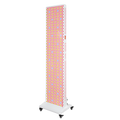
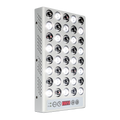
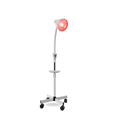
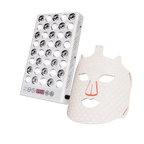
The current product data lists up to approximately 10,000 lux at 80 cm in full-spectrum mode, measured colour properties of 5,430 K and CRI Ra 89.4, five brightness levels, a timer and a compact stand. It also has separate 660 nm red and 850 nm near-infrared modes. Those modes are not wake-up programmes and are not part of the 10,000-lux daylight position.
The absence of an alarm is not a defect when the goal is bright light after waking. It simply means the product belongs at a desk or breakfast setup, not in a comparison of bedside clock features. Buy it for the routine it can perform, not for an imagined app, sunrise schedule or sound function.
Before buying, measure the intended 80 cm, check where the focused light will sit relative to your eyes and monitor, and decide whether a manual morning habit is realistic. Convenience sounds appealing; repeated use is the real buying criterion.
Can you combine a wake-up light and daylight lamp?
Yes, but only if each has a distinct role. Let a wake-up light brighten the bedroom before the alarm. After getting up, use the daylight lamp during breakfast or the first work block. Do not stack devices just to maximise light, and keep bright full-spectrum light away from a late-evening routine when you want the environment to become dimmer.

- Set one fixed wake time before changing several light variables.
- Position the wake-up light according to its manual and keep the path to your eyes unobstructed.
- Use the daylight lamp after waking at its stated distance and a comfortable brightness.
- Track comfort and timing, not vague promises about energy.
- Remove one device if the two-step routine adds friction without solving a separate problem.
What research can and cannot tell you
A controlled study of dawn simulation and bright light compared specific clinical protocols in people with seasonal affective disorder. It does not prove that every consumer wake-up light or daylight lamp produces the same outcome. Device intensity, timing, diagnosis and study design matter.
An international expert consensus on daytime, evening and nighttime light supports the broad principle of brighter days, much dimmer light before sleep and darkness during sleep. Its metric is melanopic equivalent daylight illuminance, not a direct substitute for the photopic lux number on a retail page.
For clinical light-box use, Mayo Clinic advises checking intensity, UV output, distance, eye conditions and bipolar disorder with a professional. That is why this guide separates a product-format decision from medical treatment advice.
Safety and reasons to pause
Bright light can cause temporary eye discomfort, headache, nausea or agitation in some users. A systematic review of ocular safety found no general evidence of eye damage in healthy, unmedicated participants, while noting that pre-existing eye abnormalities and increased photosensitivity need more research and caution.

- Ask for advice before clinical use with an eye condition, retinal change, glaucoma, cataract or diabetes-related eye problem.
- Check medication and supplements that may increase sensitivity to light.
- Discuss timing first with a qualified professional if you have bipolar disorder or a history of mania.
- Stop for persistent visual disturbance, eye pain, severe headache or unusual activation.
- Seek assessment for persistent depression, major sleep disruption or another symptom you are trying to treat.
Buying checklist
Choose from the function backward. A wake-up light needs a reliable pre-alarm ramp and sensible bedside placement. A daylight lamp needs a useful brightness at a disclosed distance, stable positioning and controls you will actually use.
- Need a sunrise before the alarm? Buy a wake-up light.
- Need strong light after waking? Choose a daylight lamp.
- Need both? Confirm two distinct routines before paying for two devices.
- Comparing lux? Demand the measurement distance and brightness setting.
- Buying for treatment? Use professional guidance and a suitable device, not a lifestyle claim.
Frequently asked questions
Is a daylight lamp the same as a wake-up light?
No. A daylight lamp supplies bright light while you are awake. A wake-up light gradually brightens before an alarm. Some products combine features, so check the controls rather than the category name.
Can the Resty Daylight Lamp wake me automatically?
The current product information does not list an alarm, clock or automated sunrise ramp. It has brightness controls and a timer for a manual daylight routine.
Is a wake-up light 10,000 lux?
Not automatically. Many wake-up lights use lower brightness and a gradual ramp. Check the maximum illuminance, distance and where the measurement was taken.
Can I use the daylight lamp while working?
Yes. Place it roughly in front of you at the intended distance and avoid screen glare. Use it as a defined daytime block rather than assuming maximum brightness should stay on all day.
Do I need to stare at a daylight lamp?
No. Keep your eyes open and the light in your field of view, but do not stare directly into the LEDs. Follow the product manual and any professional plan.
Which is better for a dark winter morning?
A wake-up light is better for the transition before getting out of bed. A daylight lamp is better for a bright routine after waking. The right answer depends on which part of the morning is failing.
Choose bright light for the moment you need it
If the gap starts after you wake, compare the measured brightness, controls and desk-friendly setup of the Resty Daylight Lamp.
View the Resty Daylight Lamp