
How to Sleep With Earplugs Comfortably: A Side Sleeper's Guide
Earplugs should make the room feel calmer, not make your ears the loudest problem in it. If they hurt, fall out or create too much pressure, the issue is usually the fit, depth, material or sleeping position. A few small adjustments can make a much bigger difference than forcing the plug deeper.
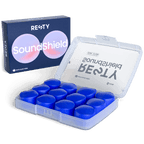
Mouldable silicone earplugs such as Resty SoundShields are designed to form a seal over the ear opening. They should not be pushed deep into the ear canal. That surface fit is especially useful for side sleepers who want less pressure from a long plug inside the ear.
Why earplugs can feel uncomfortable at night
The outer ear has many sensitive curves. A plug that is too large, too firm or inserted too deeply can press on those areas for hours. Side sleeping adds pressure from the pillow. Heat, moisture and repeated use can also change how the material feels.
Discomfort is a reason to stop and adjust the shape, placement or pillow contact. Do not force yourself to get used to pain.
Still deciding on the material? Our silicone vs foam earplug comparison explains the difference between an outer silicone seal and foam that expands inside the canal, including fit, reuse and hygiene.
How to sleep with earplugs comfortably
1. Start with clean hands and dry ears
Clean hands prevent oil and dirt from transferring to the plug. The outside of the ear should be dry and free from cream. Do not use earplugs when the ear is painful, inflamed or draining fluid.
2. Warm and soften the silicone
Roll the plug gently between clean fingers until it becomes soft and easy to shape. Do not pull it into a long point. A smooth rounded piece is easier to press over the ear opening evenly.
3. Press over the opening, not into the canal
Place the softened silicone over the entrance of the ear and flatten it gently to create a seal. It should sit like a small cover. Pushing silicone deep into the canal can cause pressure and make removal difficult.
4. Reshape the whole plug
If the pillow presses against a bulky edge, reshape the whole plug into a flatter cover over the ear opening. Do not cut it, split it or push a smaller piece into the canal. If a comfortable seal is not possible, choose another design instead of forcing the fit.
5. Check the seal before lying down
Move your jaw, turn your head and gently touch the outer edge. A comfortable seal stays in place without a sharp pressure point. If one ear feels different, reshape that side rather than accepting an uneven fit all night.
6. Adjust your pillow for side sleeping
A very firm or high pillow can push the ear sideways. A softer surface or a small ear recess reduces direct pressure. You do not need a specialist pillow immediately. First try moving the head slightly so the ear sits in a softer part of the pillow.
7. Build up gradually
Wear the plugs for twenty to thirty minutes while reading before using them for a full night. This makes it easier to notice pressure, poor sealing or irritation while you are still awake and can adjust.
Common problems and practical fixes
- Ear feels sore on the pillow: flatten the plug more and reduce direct pillow pressure.
- Plug falls out: clean and dry the outer ear, soften the silicone and rebuild an even seal.
- Your own breathing sounds loud: a mild occlusion effect is normal, but a less tight seal may feel more natural.
- One ear hurts and the other does not: ears are not perfectly symmetrical, so shape each plug separately.
- The plug feels hard or dirty: replace it rather than trying to rescue material that no longer feels hygienic or flexible.

Hygiene and replacement
Store reusable plugs clean and dry in their case. Follow the product care instructions and replace them when they lose shape, become damaged, collect visible dirt or no longer feel clean. Sharing earplugs is a charming way to share bacteria, so keep that particular romance off the nightstand.

Do not block out the sounds that keep you safe
Earplugs reduce noise but cannot guarantee silence. Make sure you can still respond to alarms, children, a smoke detector or another sound that matters in your situation. Sleep earplugs are also not a replacement for certified hearing protection in hazardous noise.
Give your ears a break
Stop using earplugs if you develop persistent pain, reduced hearing, discharge, ringing or signs of infection. A comfortable product should not require you to ignore symptoms. Seek medical advice if they continue.
The best fit is the one you forget about
Comfortable earplugs do not feel dramatic. They create a gentle seal, reduce the noises that disturb you and let the pillow support your head without pressing into the ear. Take a minute to shape each side separately and the rest of the night usually gets much easier.
Make the room quieter, comfortably
Shape Resty SoundShields to your own ears for sleep, travel or focus. Small product, much less nightly theatre from the street outside.
Shop SoundShieldsPress over the ear opening and never deep into the canal.
Running a hotel? Resty supplies earplugs for hotel guests in bulk.