




Mouth Tape for Running or Exercise? Practise Nose Breathing Without Tape
Short answer: nasal breathing can be a useful pacing cue during easy or moderate exercise when it feels comfortable. That does not mean you should tape your mouth closed while training. Current evidence does not show that exercise mouth taping improves performance, increases VO2max, or creates a proven training adaptation.
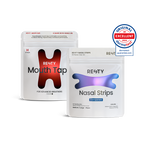
Resty mouth tape is intended for bedtime use only when nasal breathing is clear. It is not an exercise or performance device.
Nasal breathing and mouth taping are different interventions
Studies of nasal breathing examine the route air takes. Mouth taping adds a physical barrier that removes the option to open your mouth when breathing demand rises. Evidence about nasal breathing therefore cannot automatically be used as evidence that taping the mouth during exercise is effective or safe.
At rest and at lower exercise intensities, many people can breathe comfortably through the nose. As intensity increases, adding oral airflow is a normal response to higher ventilation needs. Turning nasal breathing into a rigid rule can make a useful pacing cue less safe and less practical.
What exercise studies actually found
- A randomized resistance-exercise study in 107 physically active students found no significant difference in repetitions to failure, perceived exertion, or oxygen saturation between nasal-only, mixed, and mouth-only breathing. It did not establish a performance benefit from mouth tape.
- A four-week controlled pilot in 16 recreational runners improved breath-hold time, but not nasal-only running time, nasal-only VO2max, or normal-breathing VO2max versus the control group. A better breath-hold score is not the same as better athletic performance.
- In the BreathWISE randomized crossover study, 12 healthy participants produced lower peak workload, oxygen uptake, and ventilation with exclusive nasal breathing and reported more breathlessness. Differences were smaller at lower intensities.
Together, these studies support a narrow conclusion: nasal breathing may be practised at tolerable intensities, but promised gains in endurance, recovery, oxygen delivery, or VO2max are not established.
Why we do not recommend mouth tape during exercise
Direct safety research on mouth taping during exercise is sparse. A systematic review of mouth taping during sleep found weak evidence of benefit and identified potentially serious risk where nasal airflow is obstructed. That review does not test exercise, but it also cannot justify calling mouth tape a generally safe training tool.
Keeping the mouth unobstructed lets you respond naturally when intensity rises or nasal airflow feels limited. Do not force nasal-only breathing through congestion, unusual breathlessness, dizziness, chest discomfort, or distress. Stop the session and seek appropriate medical advice if symptoms are persistent or concerning.
How to practise nasal breathing without tape
- Start easy. Try nasal breathing during a walk, warm-up, or gentle cycle rather than during sprints or maximal lifting.
- Use comfort as the limit. Stay at a pace where breathing remains controlled. Slow down or let your mouth open when airflow demand increases.
- Keep the mouth free. The aim is awareness and pacing, not forced restriction.
- Judge training by training outcomes. A longer breath hold or lower breathing rate alone does not prove better fitness or recovery.
Where nasal strips fit
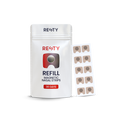
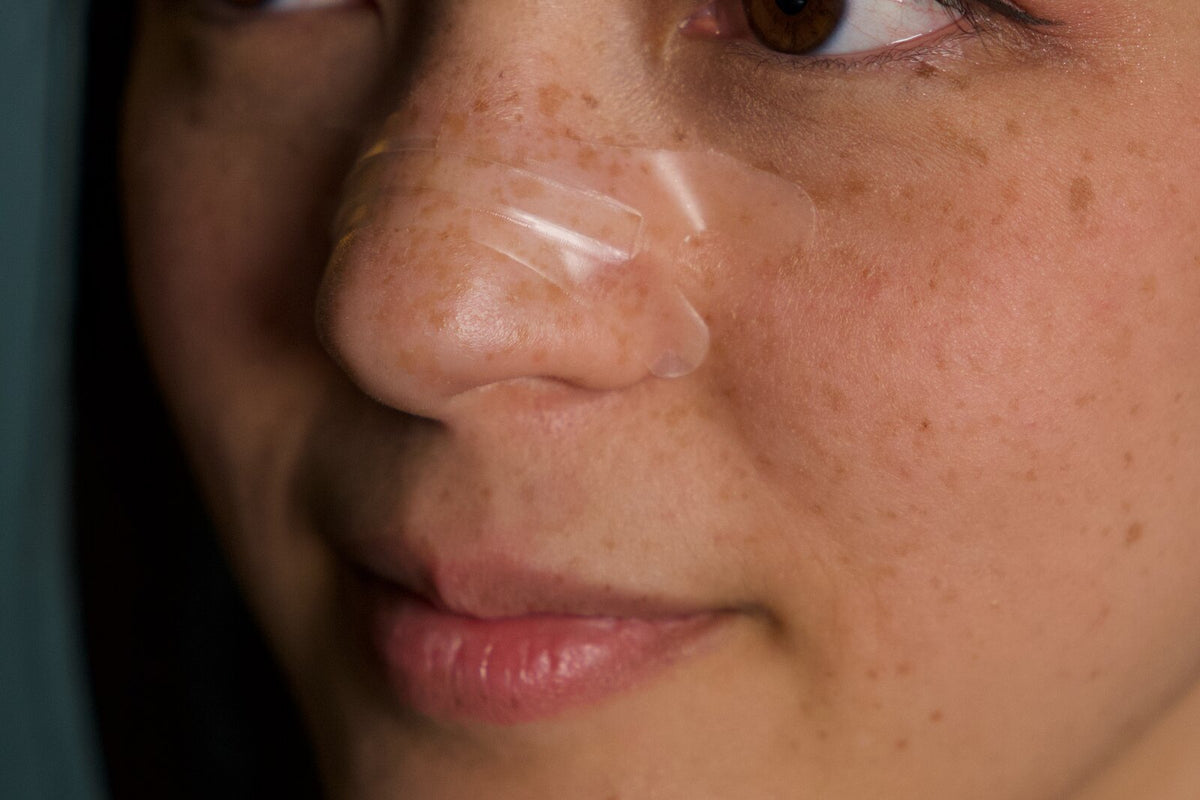
An external nasal strip lifts the sides of the nose and may make nasal airflow feel easier for some people. It does not seal the mouth, and it should not be presented as a guaranteed performance enhancer. Persistent nasal blockage still deserves professional assessment rather than being trained through.
Common questions
Can nasal-breathing training improve VO2max?
The small controlled training study above did not find an additional VO2max benefit compared with ordinary training. Larger and longer studies would be needed before making that claim.
Is mouth breathing bad during hard exercise?
No. Oral contribution is a normal way to meet higher ventilation needs. Nasal breathing can remain an optional technique, not a pass-or-fail rule.
Should I use mouth tape for Zone 2 training?
No. You can practise comfortable nasal breathing while keeping your mouth unobstructed. If you need to open it, do so.
What if my nose feels blocked?
Do not force the session or tape your mouth closed. Adjust the intensity and seek medical advice when obstruction is persistent, severe, or unexplained.
The evidence-aligned takeaway
Use nasal breathing as an optional pacing skill during comfortable exercise. Allow oral breathing when effort demands it. Keep mouth tape out of workouts, and keep any claim about performance or adaptation within what controlled studies have actually measured.
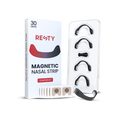
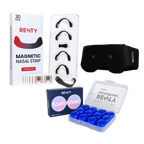
For external support during training, Resty magnetic nasal strips use a reusable clip and fresh adhesive tabs for each session. They leave the mouth free and make no performance guarantee. Apply them before sweating and stop if your skin reacts. Our nasal-breathing practice guide explains how to keep the pace comfortable.