
Red Light Therapy for Face and Skin: Evidence, Routine & Safety
Red light therapy for skin is often described as a simple way to improve every visible sign of ageing or acne. The evidence is more specific. Light-based devices have been studied for selected skin outcomes, but results depend on wavelength, output, session schedule, skin condition and the device itself.
How light-based skincare is studied
Studies differ in the colour and wavelength of light, the device used, the output, the distance and the number of sessions. A mask used in a controlled study is not automatically equivalent to a large panel at home. Look for the actual protocol before translating research into a personal expectation.
A systematic review of red light therapy for acne reported potential benefits but also reflects the limits of different study designs. A newer systematic review of at-home LED devices is useful for understanding why device and outcome details matter.
What a skin routine can realistically focus on
- Comfort: does the session feel tolerable without excessive heat or irritation?
- Consistency: can you follow the device instructions without skipping because the setup is inconvenient?
- One outcome: are you tracking texture, redness, blemish frequency or another defined change under similar conditions?
- Time: are you giving the routine enough consistent use to observe a pattern without promising a fixed timeline?
Red light, near-infrared and blue light
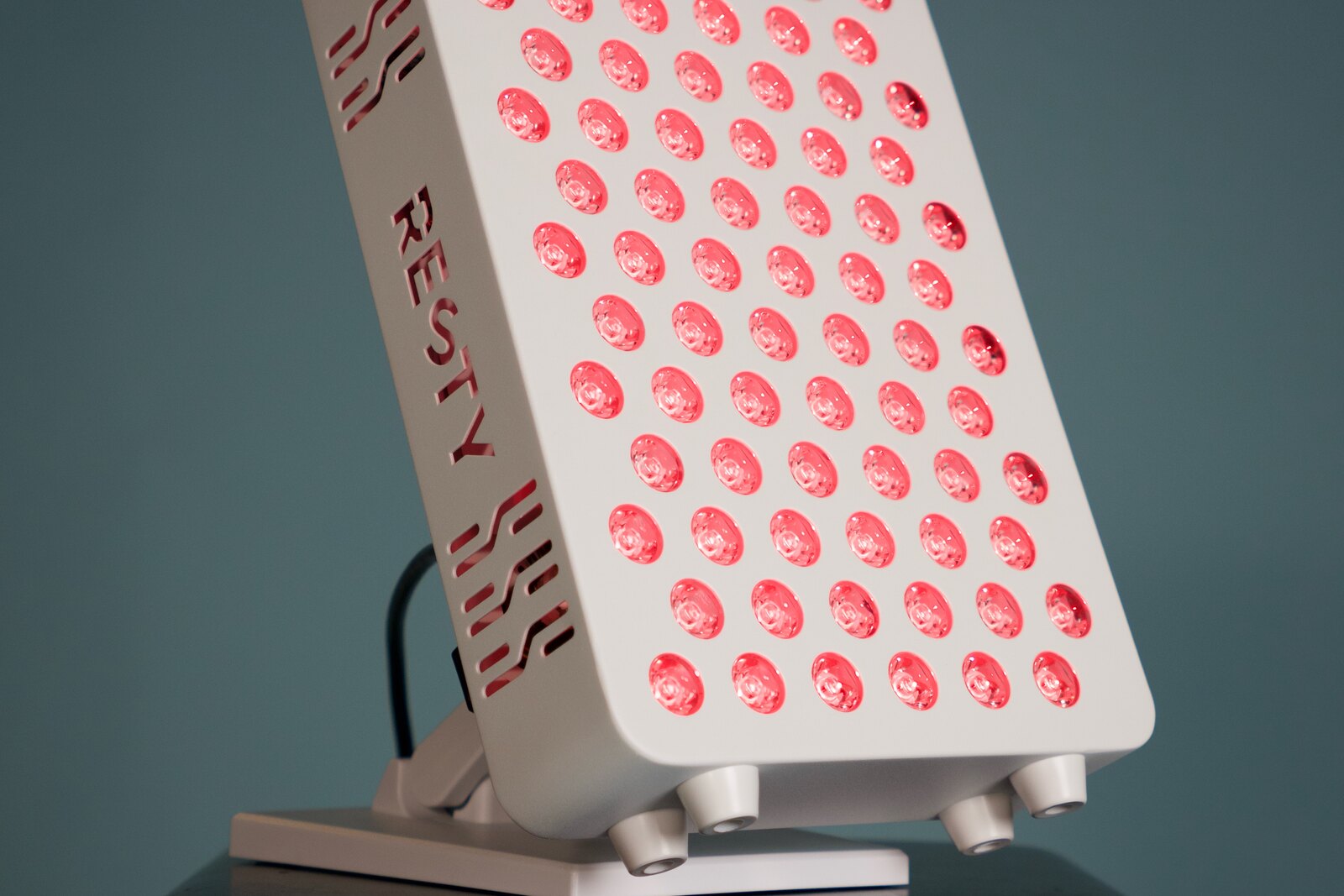
Red and near-infrared wavelengths are used in photobiomodulation devices. Blue light is a different modality that is often studied for acne-related bacteria. Do not assume that a panel containing multiple colours has the same evidence as a device tested for a specific skin outcome.

How to use a home device
- Clean the skin according to the device instructions and remove products that could irritate under light.
- Use the stated distance, session time and frequency; do not improvise a higher dose.
- Follow eye-safety instructions and never stare into bright LEDs.
- Track one outcome in consistent lighting and stop for persistent irritation or pain.
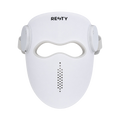
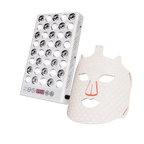
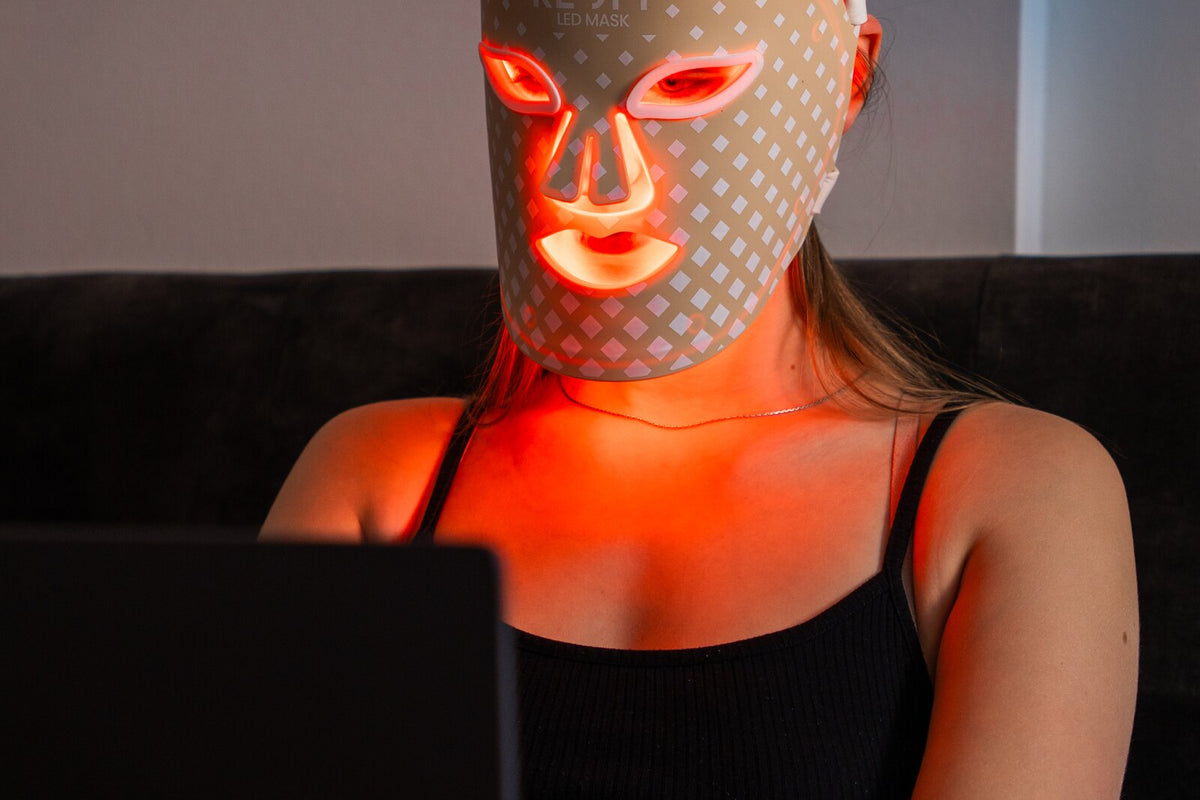
The MARS100 LED face mask is a targeted format for a face routine. Review the product instructions and choose the session schedule that matches the device, not a generic internet protocol.
What the safety evidence cannot yet answer
The American Academy of Dermatology notes that short-term use appears safe. Red light is not ultraviolet (UV) light, and current research has not found that it causes cancer. The long-term effects of repeated at-home use are still unknown.
Visible light can also trigger more intense, longer-lasting hyperpigmentation in some darker skin tones. If you have melasma or are prone to persistent dark spots, ask a dermatologist before using an at-home device.
How often, and for how many minutes, should you use it?
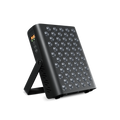
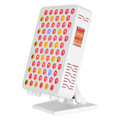
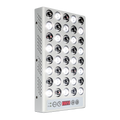
There is no universal daily schedule for skin. Use the session length and frequency in your exact device manual, including any guidance for the selected mode. A panel's timer is a control feature, not proof that the same exposure suits every mask or skin type. Do not add a panel session on top of a mask session by default. Our distance and session-time guide explains the setup variables; the eye-safety guide covers why closed eyes alone are not a universal substitute for specified protection.
When to ask a professional
Ask a dermatologist or clinician about persistent, painful, scarring or rapidly changing skin concerns. Check first if you have a light-sensitive condition, take photosensitising medication, have an eye condition or are recovering from a procedure.
Red light can be one calm part of a skincare routine. The quality of the routine comes from clear expectations, consistent use and knowing when a skin concern needs more than a device.
Continue your red light research
Compare the red light therapy collection and read the evidence and safety guide before choosing a routine.
Resty also supplies red light for salons and skin clinics.