
LED Face Mask Light Therapy How It Works and What to Expect
LED face mask light therapy uses selected wavelengths for a facial skincare routine. Results vary by device and concern; visible changes, when they occur, usually need repeated use over weeks. For how often and how long to use your mask, follow its own manual. This guide explains the colours, evidence, routine and choice between a mask and a panel.

Table of Contents
- Introduction to LED Face Mask Light Therapy
- How LED Light Interacts With Skin
- Evidence for Skin Benefits and Realistic Timelines
- Session Timing Frequency and Building a Consistent Routine
- At Home Masks Versus Clinic Devices
- Safety Contraindications and Common Misconceptions
- How to Choose and Use an LED Face Mask Wisely
Introduction to LED Face Mask Light Therapy
LED masks have become popular because they fit neatly into ordinary life. You can put one on while listening to a podcast, tidying your room, or settling down for the evening. That convenience is important, because light therapy tends to depend less on one dramatic session and more on whether you can repeat the routine without finding it irritating, uncomfortable, or difficult to organise.
The central idea is simple. An LED device emits light at selected wavelengths, and those wavelengths deliver energy to the skin. Different colours interact with tissue in different ways, while the dose depends on more than colour alone. Wavelength, irradiance, treatment duration, distance from the skin, and frequency all influence the exposure your skin receives.
That's why a mask with more visible brightness isn't automatically the better choice. A bright device may still provide unclear technical information, an uncomfortable fit, or a schedule you won't follow. A less dramatic-looking mask may be more useful if its instructions are clear and you can use it consistently.
The practical mindset: Treat an LED mask like a structured skincare routine, not an instant facial.
A University of Manchester announcement from June 2025 described a planned 12-week study of a CurrentBody mask, with at least 20 volunteers using it for 10 minutes five times weekly. This is a description of a research protocol, not published results or a test of Resty masks.
That protocol doesn't prove that every consumer mask will deliver the same result. It does provide a useful reference point for the kind of repeated exposure and measured outcomes involved in serious research. If you're looking for a quick glow after one use, your expectations may be too high. If you're prepared to follow a modest routine for weeks, you're approaching the technology more realistically.
How LED Light Interacts With Skin
Think of wavelengths as radio stations and skin cells as receivers. A radio only picks up a particular station when it's tuned to the correct frequency. Similarly, skin doesn't respond to every colour of light in exactly the same way. The wavelength influences which molecules absorb the energy and how far that energy can travel.
The main terms are easier than they first appear:
- Wavelength: The colour or electromagnetic range of the light, measured in nanometres. Red and near-infrared light are commonly discussed for photobiomodulation, while blue light is generally associated with surface-level applications.
- Irradiance: The power arriving at a given area of skin. It helps describe how intensely the device delivers light.
- Time: How long the skin is exposed during one session.
- Dose: The total energy delivered, which depends on power and time rather than brightness alone.
Wavelengths and depth
Blue light is absorbed more readily near the skin surface. That makes it relevant to devices designed around surface bacteria and blemish-focused routines, although a consumer mask shouldn't be treated as a complete acne treatment without professional advice.
Amber light is used in some cosmetic masks as a separate selectable mode. Claims vary by device, so check the manufacturer's stated purpose and technical documentation rather than assuming every amber setting has the same effect.
Red light travels further into skin than shorter visible wavelengths. Consumer and clinical discussions often connect it with cosmetic concerns such as the appearance of fine lines, texture, and redness. The biological response depends on the actual wavelength and delivered dose, not the label “red”.
Near-infrared light sits beyond visible red light and can reach deeper tissue. It's often paired with red light in research and consumer devices, but the same caution applies: deeper penetration doesn't automatically mean better results.
The NHS provides an important clinical distinction. Cambridge University Hospitals describes red-light photodynamic therapy as a supervised treatment combining a light-sensitive medicine with a light source to destroy abnormal cells, including in conditions such as Bowen's disease, superficial basal cell carcinoma, and actinic keratosis. That is not the same as cosmetic LED mask use, as the Cambridge University Hospitals patient guidance explains.
For a consumer mask, the key lesson is restraint. Medical light treatment has established uses, but that doesn't transfer every medical claim to an at-home cosmetic device. For a more detailed explanation of red-light mechanisms and skin concerns, see this red light therapy guide for skin.
Evidence for Skin Benefits and Realistic Timelines
Mechanism explains why researchers are interested in LED light. It doesn't guarantee that a particular mask will produce a visible change. To judge a device fairly, look for measured outcomes, a defined schedule, independent assessments, and enough time for gradual skin changes to appear.
The University of Manchester protocol is useful because it focuses on outcomes researchers can assess, including elasticity and hydration, rather than relying only on photographs or user impressions. Its planned schedule is also clear, with participants applying the mask for 10 minutes, five times per week, over 12 weeks. That equals 600 minutes of exposure across the study period, a reminder that “treatment” means a sustained pattern rather than a single evening.
A separate 16-week study examined a home-used mask combining 630 nm red light and 850 nm near-infrared light. The study reported significant improvements in crow's-feet grading at 8, 12, and 16 weeks, with independent-rater improvement rates of 86.2% in the full analysis set and 89.3% in the per-protocol set. It described the treatment as effective, safe, well-tolerated, and painless in that study population, as recorded in the PubMed study record.
What those results mean for your routine
The results don't mean you should expect the same outcome from every mask. The device, dose, skin type, adherence, study design, and starting concern all matter. They do support a sensible expectation that visible wrinkle or texture changes, when they occur, develop over weeks to months, not immediately.
A first session may leave your skin looking temporarily refreshed because of ordinary changes in hydration, skincare products, or lighting. That isn't the same as a structural change in collagen or wrinkle grading. Keep those experiences separate so you don't mistake a short-term impression for a proven treatment effect.
A useful way to assess progress is to choose one concern, take consistent baseline photographs in the same lighting, and review them only after a meaningful period. Don't judge success by how bright the mask looks or how dramatic the lights appear. Judge whether you've followed the prescribed schedule and whether the specific concern you selected has changed.
The most honest summary is modest but useful: LED masks may support improvements in the appearance of fine lines and texture for some users, but consistency is part of the intervention. A device you use reliably is more meaningful than a technically impressive device that stays in a drawer.
Session Timing Frequency and Building a Consistent Routine
Use the session length and frequency specified in your mask’s manual. Timers, output and light modes differ between models, so neither a study schedule nor another brand’s short session is a universal instruction. Do not extend sessions or add days to chase faster results.
The University of Manchester protocol offers one UK research reference point, 10 minutes per session, five times weekly, for 12 weeks. Don't copy that schedule automatically onto a different product. Use it to understand the scale of a controlled study and why regular exposure matters.
A simple session flow
- Cleanse first. Start with clean, dry skin unless the manufacturer gives different instructions. Removing makeup and heavy products helps the light reach the skin and prevents the mask from becoming unnecessarily messy.
- Position the mask comfortably. Check that it sits evenly and doesn't press painfully against the nose, cheeks, or eyelids. If the device includes eye protection or recommends it, use it.
- Set the timer. Don't extend the session because the light feels comfortable. Longer exposure isn't automatically more effective, and the correct dose depends on the device's output.
- Keep the routine boring. Use the mask on planned days, perhaps after an evening cleanse. A calendar reminder or simple tick list can help you spot missed sessions without turning skincare into a stressful project.
- Finish gently. Apply your usual moisturiser if your skin tolerates it. Continue ordinary skin protection, especially daytime sun protection, because an LED mask doesn't replace foundational skincare habits.
A weekly rhythm works better than occasional marathon sessions. If you're unsure how distance, time, and output combine, this guide to red-light distance and session time explains why changing one variable can alter the delivered dose.
Routine check: If you can't imagine following the schedule during a busy week, choose a simpler device or reduce the number of steps around it. Adherence beats ambition.
Stop and reassess if you develop persistent irritation, unusual discomfort, or visual symptoms. Don't assume that a stronger sensation means stronger treatment. Light therapy should fit into your routine without asking you to ignore warning signs.
At Home Masks Versus Clinic Devices
An at-home mask and a clinic light device may use related wavelengths, but they aren't interchangeable. Clinics can control positioning, exposure, coverage, and supervision more precisely. Home masks prioritise convenience, lower complexity, and repeatable self-use.
The difference isn't that one is “good” and the other is “bad”. A home device may suit someone who wants a hands-free facial routine, while a clinic device may be more appropriate when a practitioner needs to assess the skin, select a protocol, or combine light treatment with another procedure.
At Home LED Masks Versus Clinic Light Devices
| Feature | At Home LED Mask | Clinic Device |
|---|---|---|
| Power and dose | Usually designed for lower-power, self-administered exposure | Often offers more controlled output and practitioner-selected settings |
| Coverage | Mainly shaped around the face | Can cover the face, body, or a selected treatment area |
| Supervision | You position and operate it yourself | A practitioner can monitor fit, skin response, and protocol |
| Convenience | Available at home and easy to repeat | Requires appointments and travel |
| Routine flexibility | Often uses preset timers and modes | May allow a treatment plan tailored to the clinical objective |
| Best fit | Ongoing cosmetic routines and convenience | Assessment, supervised treatment, or more complex skin concerns |
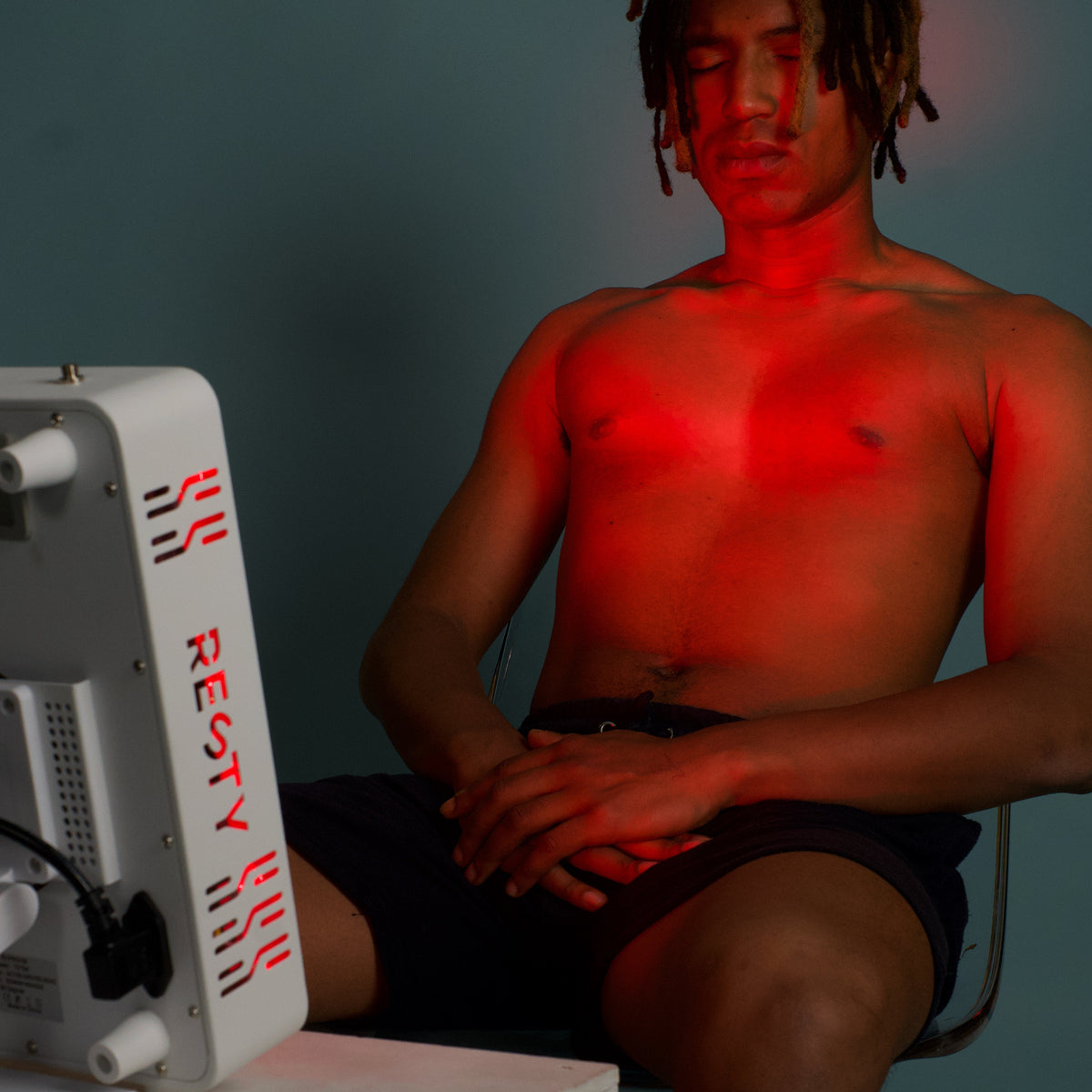
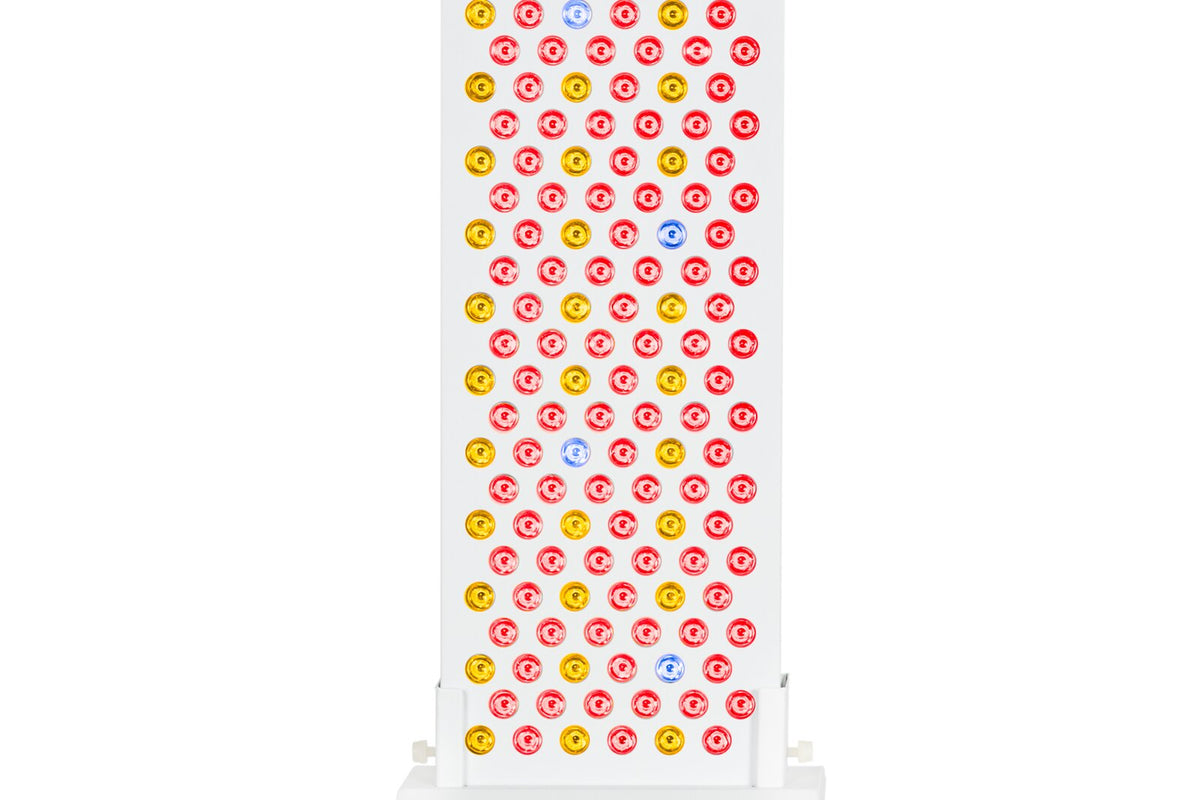
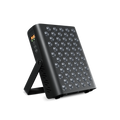
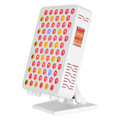
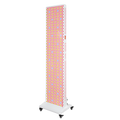
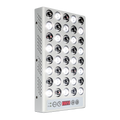
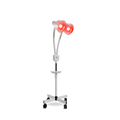
For a flexible home setup, the MARS 600 Red Light Panel is a compact panel for the face, shoulders, and upper body. Its stated specifications include 72 LEDs, 120 W nominal power, and nine selectable wavelengths, including red and near-infrared options. The product specification states approximately 157.6 mW/cm² at 15 cm in combined red and near-infrared mode, so positioning and the manual's session guidance matter.
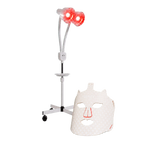
A panel can be more adaptable than a mask because you can direct it towards different areas, but that flexibility also makes setup your responsibility. The device is described for general wellness, skincare, and fitness routines, and it isn't a medical device intended to diagnose, treat, or cure a condition. For a broader comparison of form factors, read this LED face mask versus red-light panel guide.
Safety Contraindications and Common Misconceptions
LED masks are often described as gentle, but “non-invasive” doesn't mean every person should use every device without checking. Light can interact with medication, neurological conditions, eye sensitivity, and existing skin problems. If you have a condition that makes you sensitive to light, take photosensitising medication, have an implanted electronic device, or aren't sure what a skin lesion is, speak with a clinician before using a mask.
Pay attention to the manufacturer's warnings. Keep the device away from water and excessive heat, inspect cables and surfaces for damage, and use eye protection when the instructions recommend it. If a flashing or pulsing mode concerns you, avoid it until you've checked the manual and obtained appropriate medical advice.
Questions to ask before switching it on
- Light sensitivity: A history of photosensitivity, lupus, or another light-reactive condition may require professional advice.
- Medication: Some medicines increase sensitivity to light. Ask a pharmacist or prescriber whether your medication creates a risk.
- Pregnancy or epilepsy: Don't rely on general online reassurance. Ask your healthcare professional about your specific circumstances and the device's light modes.
- Uncertain skin changes: Don't use a cosmetic mask to self-treat a changing mole, unexplained lesion, or persistent rash.
The biggest misconception is that more exposure must produce better results. Dose has a useful range, and a longer session may create unnecessary irritation or move you away from the schedule tested for that device. Another misconception is that every LED mask on sale in the UK has the same medical status.
Safety principle: A mask shouldn't replace diagnosis, prescribed treatment, or professional assessment of a persistent skin problem.
How to Choose and Use an LED Face Mask Wisely
A sensible purchase starts with your routine, not the colour of the product. Decide whether you want facial coverage only, a wireless mask you can use without holding equipment, or a panel that can also reach the shoulders and upper body. The right format is the one you'll position correctly and use according to its instructions.
Evaluate the device before the marketing
Look for:
- Wavelength information: The manufacturer should identify the wavelengths or wavelength ranges used, rather than relying only on colour names.
- Dose guidance: Check whether the instructions explain treatment time, distance, brightness, and frequency.
- Fit and comfort: A mask that pinches, slips, or feels too heavy will undermine consistency.
- Controls: Timers, selectable modes, brightness levels, and wireless operation can make a routine easier to repeat.
- Eye guidance: Clear instructions should explain whether shields or protective glasses are required.
- Regulatory language: Be cautious when a cosmetic product makes strong claims about treating acne, wrinkles, or medical conditions.
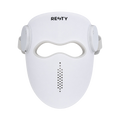
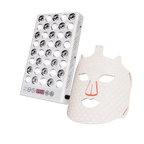
Resty's MARS100 LED face mask is a wireless cosmetic skincare mask with 68 LEDs and four selectable modes, blue, amber, red, and near-infrared. The catalogue also includes the MARS 200 PRO LED Face Mask, but specifications and suitability should be checked directly against its current product information rather than assumed from the name.
A panel may suit you better if you want to direct red or near-infrared light beyond the face. A mask may suit you better if you want a portable, hands-free facial routine. Neither choice removes the need to follow the manual.
Your starting checklist
- Choose one main concern, such as texture or the appearance of fine lines.
- Photograph your baseline in consistent lighting.
- Record the prescribed session length and weekly frequency.
- Use the mask only on clean, dry skin unless its instructions say otherwise.
- Don't extend sessions to chase faster results.
- Review progress after several weeks, not after a single use.
- Stop and seek advice if you experience persistent irritation or unusual symptoms.
The most useful way to think about LED face mask light therapy is simple: specifications define the possible dose, while consistency determines whether you receive a routine dose over time. Resty offers at-home LED masks and red and near-infrared panels for structured wellness and skincare routines. Visit Resty to compare the available formats and choose a setup that fits how you'll realistically use light therapy.