









Loose Belly Skin: Care, Limits and When to Seek Advice
You've worked hard to lose weight, improve your health, or recover after pregnancy, yet the skin around your abdomen still hangs, folds, or creases when you sit down. That can feel confusing and unfair. The scale has changed, but the skin hasn't followed at the same pace.
Sagging belly skin isn't stubborn fat, and no cream, exercise, or home device can remove a substantial fold of excess tissue. Some routines can improve hydration, texture, muscle support, and the appearance of mild laxity. More advanced loose skin can become a functional problem involving irritation, hygiene, mobility, or exercise, which is where medical assessment matters.
Start by separating skin care, muscle support and excess tissue. They need different approaches. Persistent soreness, rashes or difficulty with movement deserve medical advice.
Understanding the Biology of Abdominal Laxity
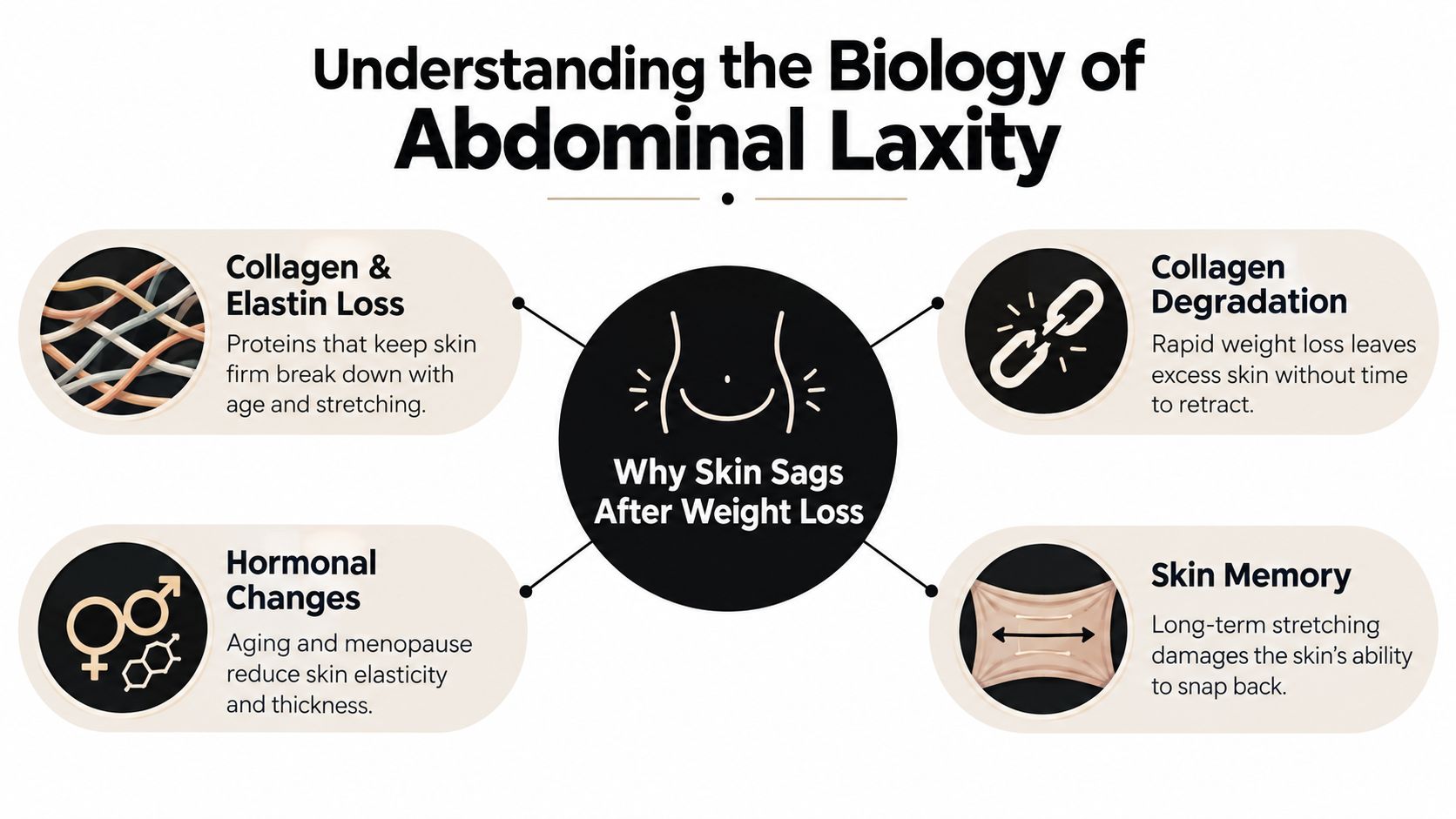
You may notice the problem most clearly after reaching a stable weight. The abdomen looks smaller, but the skin remains stretched and gathers around the lower belly. That happens because skin is living tissue with limits. It can adapt to changes in body volume, but its ability to retract depends on age, genetics, how long it was stretched, and the condition of its supporting structures.
Why stretched skin doesn't always retract
The dermis contains collagen and elastin fibres. Collagen provides much of the skin's structural framework, while elastin helps tissue return towards its previous shape. Prolonged stretching can affect these fibres, so losing the underlying fat doesn't guarantee that the outer covering will contract completely.
Age adds another variable. An in-vivo study of human skin mechanics found that measured belly-skin sagging increased from 0.89±0.7 in a younger group to 4.13±1.6 in an elderly group, while anterior belly projection rose from 1.94±1.3 to 5.04±0.8. Both changes were statistically significant at p<0.0001, as reported in the peer-reviewed study of age, belly-skin sagging, and fat distribution.
Those findings don't predict exactly how your abdomen will respond. They do provide a useful biological explanation for why skin often feels less resilient with age. The same study also found significant age-related increases in waist circumference, trunk fat mass, and visceral fat, showing that abdominal shape reflects both tissue laxity and changes beneath the skin.
What you can and can't change
You can support the skin barrier, maintain a stable weight, build abdominal and whole-body muscle, avoid smoking, eat adequately, and use carefully selected cosmetic treatments. These measures may make the surface look healthier and help mild looseness appear less pronounced.
They won't recreate damaged elastic fibres or remove a hanging abdominal fold. That distinction matters because people often spend heavily on products promising to “tighten” skin when the underlying issue is excess tissue rather than dryness or poor muscle tone.
Practical rule: If the skin is creating a persistent fold that interferes with hygiene, movement, or comfort, treat it as a health concern worth discussing with a GP, not merely a skincare complaint.
Nutrition and Exercise Strategies for Tissue Support
Exercise can improve the shape beneath loose skin, but it can't spot-reduce abdominal fat or directly shrink a surplus of skin. The useful question is whether you're improving the underlying frame and the tissue's working environment.
Train the structure underneath
Resistance training can increase or maintain muscle beneath the abdomen, hips, and trunk. That may create a firmer contour and improve physical function, even if the skin itself remains loose.
A practical programme might include:
- Trunk control: Use exercises such as dead bugs, controlled planks, carries, and bird dogs. Prioritise breathing and alignment rather than forcing high repetitions.
- Whole-body resistance: Squats, hinges, rows, presses, and loaded carries support general muscle retention and posture. These movements often matter more than endless abdominal crunches.
- Progress gradually: Increase resistance or control only when your technique remains steady. If you've recently lost significant weight or had surgery, seek professional guidance before progressing.
- Protect irritated skin: Choose breathable clothing, keep folds dry, and stop an exercise that causes rubbing, pain, or skin breakdown.
Muscle gain won't pull loose skin flat, but it can improve the contour and make movement easier. It also gives you a more stable foundation for maintaining your weight.
Feed collagen production
The body needs amino acids to build and repair structural proteins. Include a reliable protein source at meals, such as eggs, dairy foods, fish, poultry, tofu, beans, or lentils. Avoid aggressive restriction after weight loss, because inadequate energy and protein can make it harder to maintain muscle and support normal tissue repair.
Vitamin C also matters for collagen formation. Fruit and vegetables such as berries, citrus, peppers, broccoli, and leafy greens can contribute. Hydration supports normal skin function, although drinking extra water won't remove excess skin.
A simple plate works well: protein at the centre, colourful plants alongside it, a source of fibre-rich carbohydrate, and some unsaturated fat. If you're taking weight-loss medication, recovering from bariatric surgery, or struggling to meet nutritional needs, ask a GP or registered dietitian for individual advice rather than relying on generic supplements.
Topical Treatments and Skincare Routines
A moisturised abdomen can look smoother because hydrated outer skin reflects light more evenly and feels less rough. That's a worthwhile cosmetic improvement, but it isn't the same as tightening a stretched dermal matrix.
What topical ingredients can realistically do
Hyaluronic acid and conventional moisturisers mainly support surface hydration. They can reduce the dry, crepey appearance temporarily and help the skin barrier tolerate friction. They won't remove a fold of skin.
Peptides are widely used in firming products, but formulations vary and marketing often outpaces clear evidence for dramatic abdominal tightening. Treat them as optional cosmetic ingredients, not structural treatments.
Retinoids have a stronger rationale for supporting skin renewal and collagen-related changes, but abdominal skin may be sensitive, and non-prescription cosmetic retinol differs from prescribed preparations. Apply cautiously, follow product instructions, and stop if you develop persistent burning, marked redness, or peeling. Avoid retinoids during pregnancy unless a clinician advises otherwise.
A routine that earns its place
Keep the routine simple enough to repeat:
- Clean gently: Use lukewarm water and a non-stripping cleanser, especially inside skin folds.
- Moisturise promptly: Apply a fragrance-free moisturiser while the skin is slightly damp.
- Treat targeted concerns carefully: Introduce one active product at a time, using a small test area first.
- Protect exposed skin: Sun exposure contributes to collagen breakdown, so cover the abdomen or use suitable broad-spectrum protection when it's exposed.
- Check folds regularly: Persistent redness, cracking, odour, weeping, or soreness deserves medical advice.
The most expensive cream still loses its value if it irritates you or sits unused. Consistency, barrier care, and realistic expectations matter more than a long product shelf.
Can home light devices tighten loose belly skin?
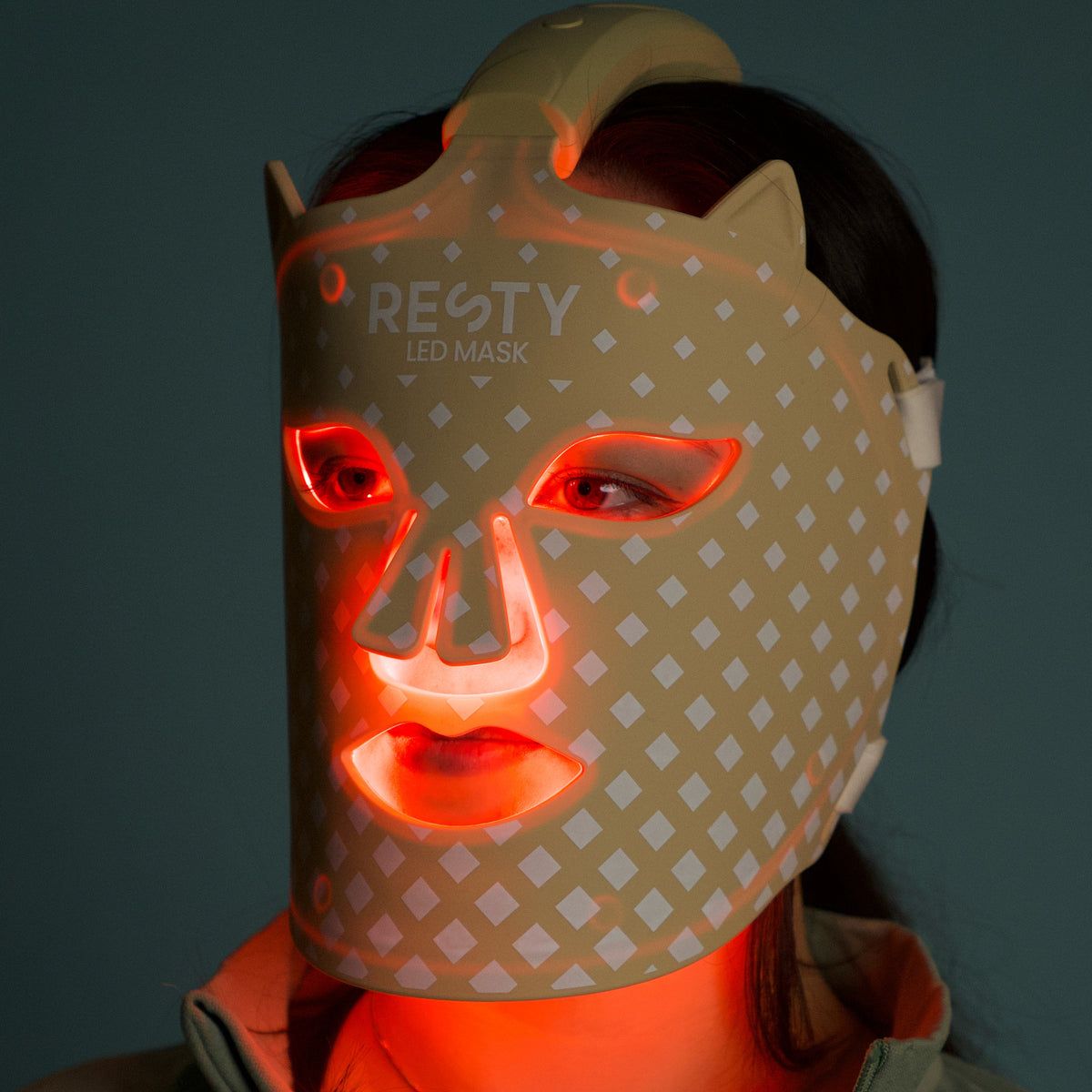
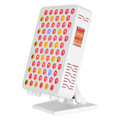
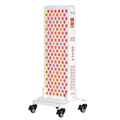
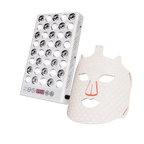
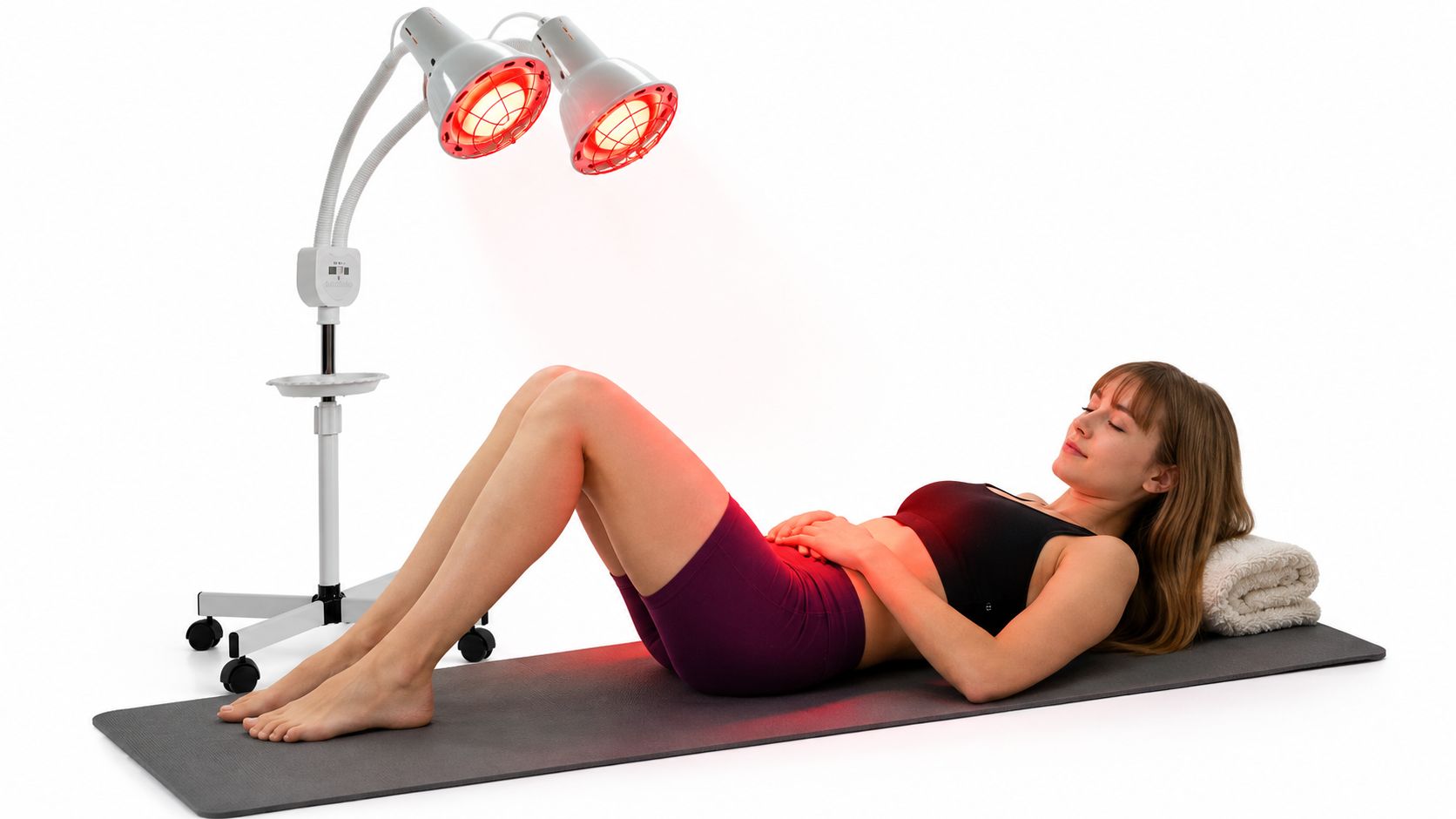
A home red-light panel cannot remove a fold of excess skin. Results from clinical laser, ultrasound or radiofrequency procedures cannot be transferred to a consumer LED panel. The American Academy of Dermatology explains the differences between professional skin-tightening procedures and the limits of creams.
For a separate cosmetic light routine, compare coverage and instructions in our red-light panel guide. Choose equipment for its verified features; do not buy it on a promise to remove loose abdominal skin.
When should you discuss medical options?
Seek advice for recurrent irritation, infections, pain or folds that make hygiene or movement difficult. A clinician can assess the skin and discuss appropriate options, including the limits and risks of any procedure.
In the UK, the NHS describes abdominoplasty as major surgery that can remove excess abdominal skin. It is usually cosmetic and not routinely available on the NHS. Ask your own healthcare service or insurer about current local eligibility; one regional policy is not a universal funding rule.
Managing Expectations and Building a Long-Term Routine
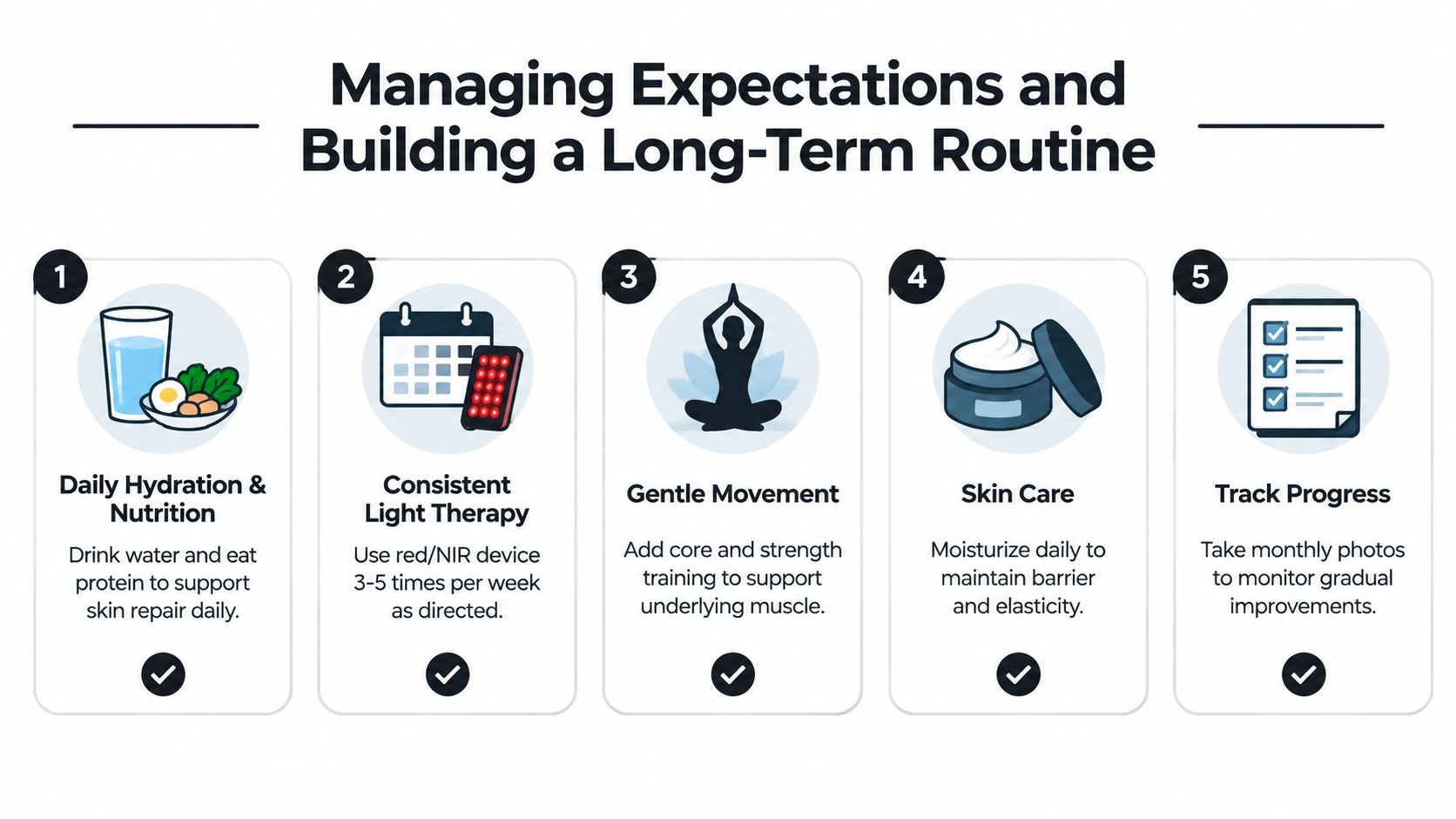
The most useful routine is deliberately unexciting. It protects the skin, preserves the muscle beneath it, and gives any cosmetic treatment enough consistency to be judged fairly.
A practical weekly framework
Daily, eat regular meals with adequate protein, include fruit or vegetables that provide vitamin C, moisturise dry skin, and inspect folds for irritation. Keep any persistently damp area clean and dry. If you're experiencing recurrent rash or infection, arrange a GP assessment instead of repeatedly changing creams.
Across the week, use resistance training suited to your fitness and keep skin care comfortable. Review a changing or irritated fold with a clinician before adding another device or active skincare product.
Monthly, take photographs under similar lighting, clothing, distance, and posture. Record comfort, movement, skin irritation, and clothing fit alongside appearance. This gives you a more useful picture than daily mirror checking, where normal hydration and posture changes can look like treatment failure.
Decide whether progress is enough
If your concern is mainly texture or mild laxity, home care may provide a worthwhile improvement in how the skin feels and looks. If the skin hangs heavily, creates repeated medical problems, or restricts daily activities, a device and moisturiser are unlikely to solve the central issue.
A realistic outcome: You may improve the skin's surface, support the underlying muscle, and make mild laxity less noticeable. You may not eliminate substantial excess skin without surgery.
If the NHS route is relevant, gather records of weight stability, recurring skin problems, treatments you've tried, and specific effects on mobility or hygiene before speaking with your GP. Clear documentation helps distinguish a functional problem from a purely aesthetic request and makes the conversation more productive.