Blue vs Red Light Therapy: Skin, Daylight and Device Choice
Blue and red light therapy differ in wavelength and intended use. In skincare, blue-light devices are associated with blemish-focused routines, while red and near-infrared LEDs are studied for concerns such as the appearance of fine lines. Bright morning light is a separate use: a daylight lamp illuminates your visual environment. A blue setting on a face mask does not replace that lamp.
Blue light, red light or daylight: what are you comparing?
| Light type | What to compare | Practical question |
|---|---|---|
| Blue skincare LEDs | Exact wavelength, intended use, face coverage and eye protection | Does the device suit your facial routine? |
| Red and near-infrared LEDs | Wavelength, irradiance at distance, session instructions and coverage | Do you need a face mask or a positionable panel? |
| Bright daylight | Lux at your sitting distance, brightness and placement | Do you want more visible light at breakfast or your desk? |

Colour alone cannot tell you the delivered dose or likely result. A mask, a panel and a desk lamp illuminate different areas from different positions. Their session schedules should stay specific to the device and mode.
What can blue and red light do for skin?
The American Academy of Dermatology’s guide to acne light treatments distinguishes pimples from blackheads, whiteheads, cysts and nodules. Visible-light treatments have limits, results vary, and other treatment may still be needed. A consumer mask cannot diagnose acne or replace a dermatologist’s plan.
For red and near-infrared masks, a randomised study of 60 participants compared a particular 630/850 nm mask with a sham device. Crow’s-feet assessments differed between groups after several weeks. It tested that device and protocol, not Resty masks, and did not establish that masks outperform panels. Use research to set measured expectations rather than a promised result date.
Which Resty format fits the routine?
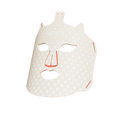
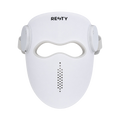
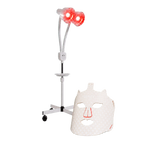
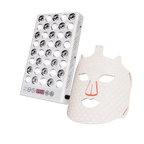
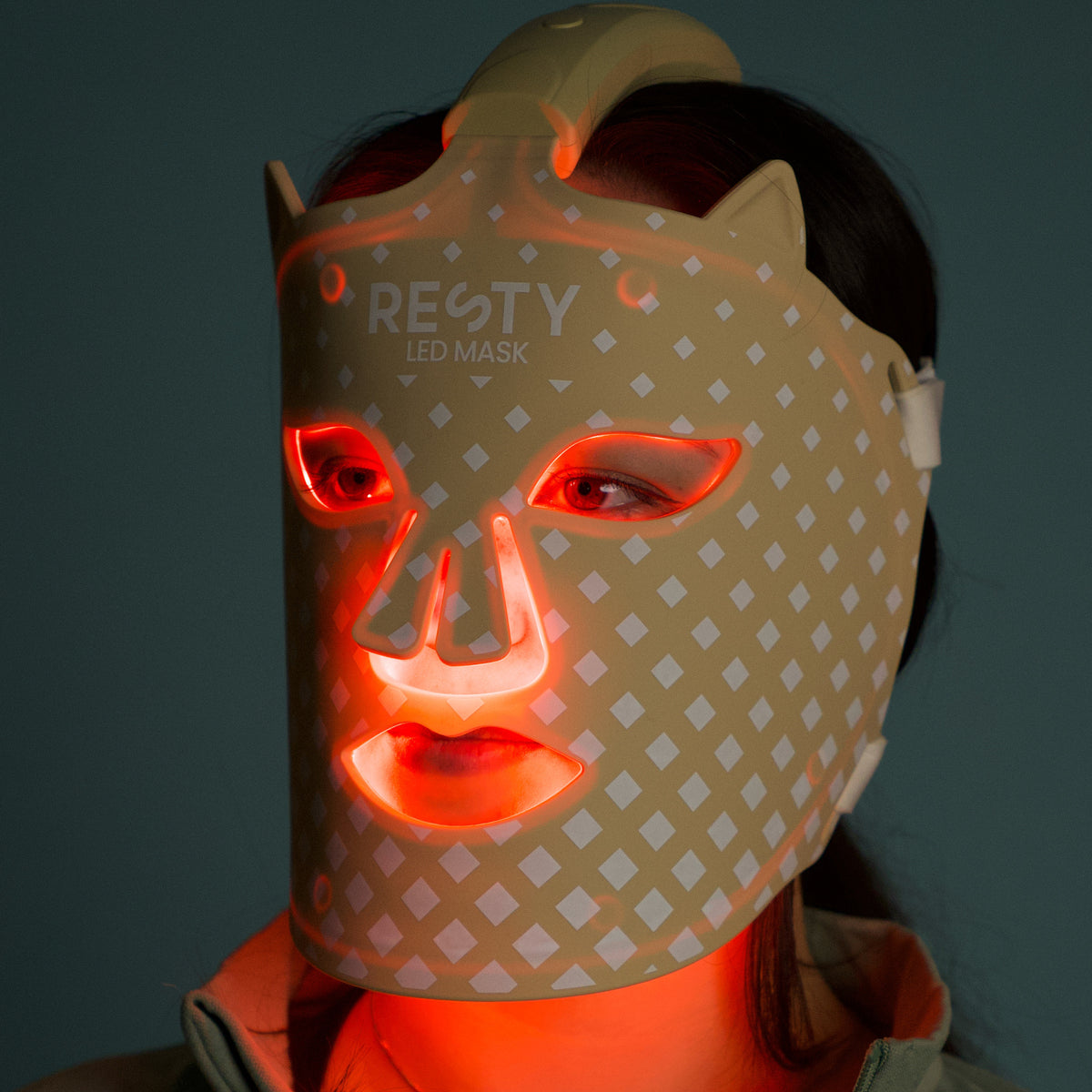
The MARS100 LED face mask offers 68 LEDs, wireless use and blue, amber, red and near-infrared modes for a cosmetic facial routine. Check the supplied manual for session length and frequency. The presence of a colour does not establish treatment efficacy.
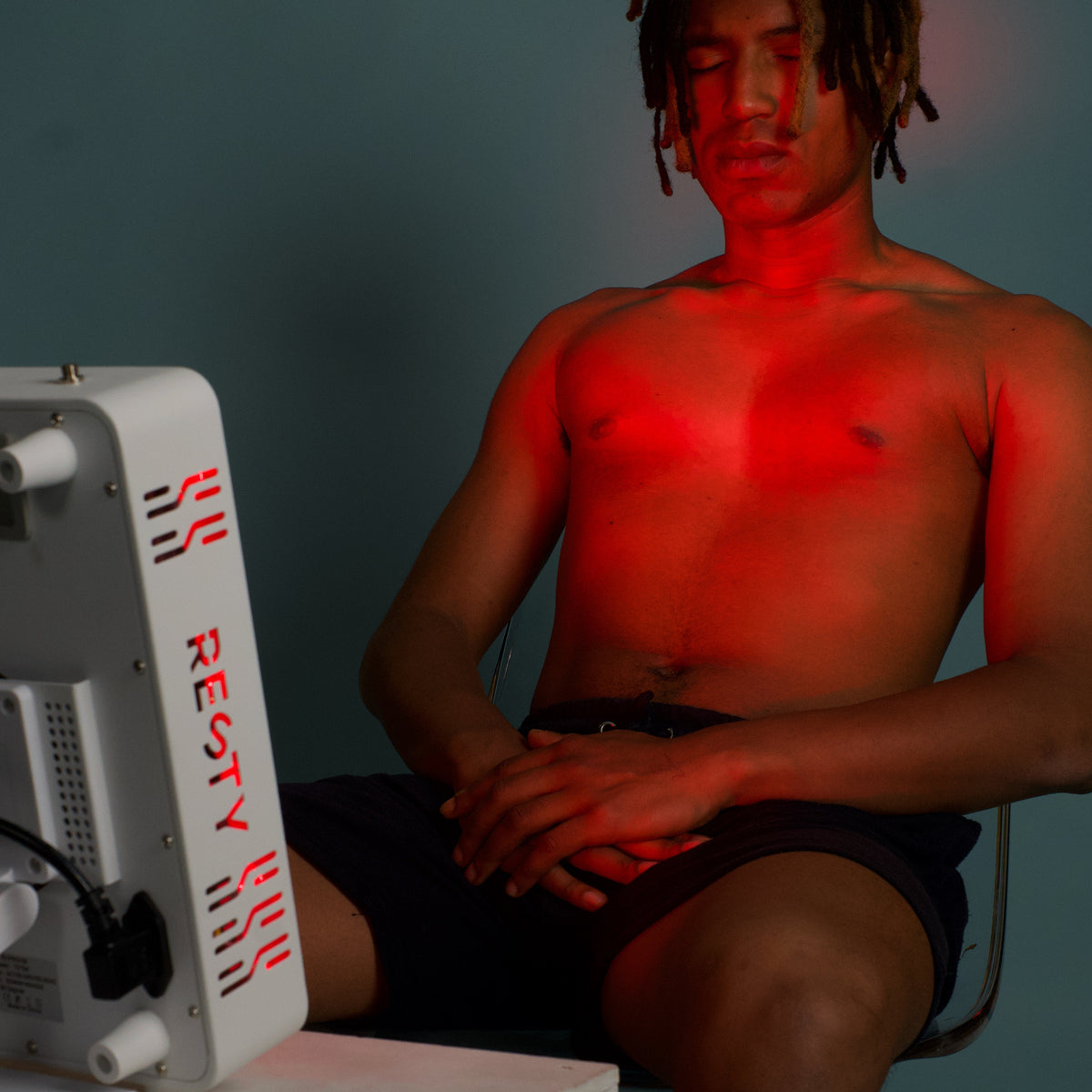
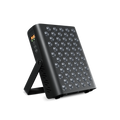
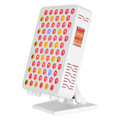
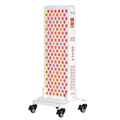
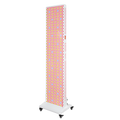
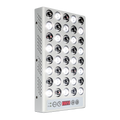
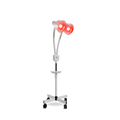
The MARS 400 panel provides 660 nm red and 850 nm near-infrared light with a 10-minute timer. Its 60-LED format can be positioned towards the face, neck or other smaller areas. It does not include a blue mode. Choose by the area and setup you will actually use; our mask versus panel comparison explains the trade-offs.
Is blue skincare light the same as a daylight lamp?
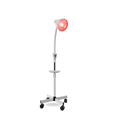
A daylight lamp is designed for bright visible light while you are awake. The Resty Daylight Lamp lists up to approximately 10,000 lux at 80 cm in full-spectrum mode. That value is derived from light output and lens geometry, not a direct lux measurement at that distance. Its separate red and near-infrared modes have their own instructions.
Use bright daylight mode in the morning or daytime and read the distance and duration guide. NIMH describes clinical bright-light treatment for seasonal affective disorder; that medical context does not turn a cosmetic mask or Resty’s lifestyle lamp into a treatment for depression.
How do you build a sensible light routine?
- Choose one purpose: facial skincare, targeted red/NIR exposure or brighter daytime light.
- Read the exact mode’s instructions for position, time, frequency and eye protection.
- Use one repeatable setup. Do not add extra sessions to compensate for missed days.
- For skincare, compare photographs under the same lighting over time. Avoid judging progress from the glow during use.
Ask a clinician or pharmacist about photosensitivity, relevant eye or skin conditions and medication before starting. Stop for eye pain, persistent redness or unusual discomfort. Follow the recommended protective eyewear instructions; sunglasses are not a substitute. The AAD’s home red-light guidance explains why individual suitability matters.
Can you use blue and red light together?
Some devices provide combination programmes. Use only combinations supported by your exact manual and do not add the full duration of each separate mode together. Neither an extra colour nor a longer session guarantees a better outcome.