
Sleep Mask Benefits: What Research Says About Sleep
A sleep mask is a simple way to reduce light around the eyes when blackout curtains are not practical. It can be useful at home, while travelling or when a partner keeps a different schedule. The benefit is mainly environmental: a darker, more comfortable sleep space can support a routine, but a mask cannot fix every sleep problem.
Why darkness can matter
Light is one of the signals involved in sleep timing. A comfortable mask can reduce unwanted light at the eyes. Whether that helps you rest depends on your surroundings, your sleep routine and how well the mask fits.
What does research say about sleep masks and deep sleep?
A 2023 home study in SLEEP tested an eye mask in two experiments. In the first, 94 adults used an eye mask for one week and a control mask for another week. In the second, 35 adults also wore a sleep-monitoring device. The researchers reported better next-day episodic learning and alertness while participants used the eye mask.
The study did not show that the mask increased time spent in slow-wave (“deep”) sleep or improved self-rated sleep quality. The memory result was associated with time in slow-wave sleep, which is different from proving that the mask created more deep sleep. A published reanalysis of the same data found less consistent evidence and questioned the practical size of the cognitive effects.
A randomised hospital trial reported better self-rated sleep when eye masks and earplugs were supplied together, but it could not isolate the mask and does not directly represent normal home sleep. The practical takeaway is modest: a mask blocks unwanted light; evidence that it increases deep sleep or meaningfully improves cognition is still limited.
Features worth checking
- Light seal: look for coverage around the nose and sides without pressing on the eyes.
- Adjustable fit: the strap should stay in place without feeling tight.
- Soft contact: the fabric should feel comfortable and easy to wash according to the care instructions.
- Breathability: avoid a fit that becomes hot or damp.
- Routine fit: it should be easy to pack, store and use consistently.

How to use a sleep mask
- Dim the room and finish your normal wind-down.
- Place the mask so the seal sits comfortably around the eyes and nose.
- Adjust the strap rather than tightening it until it presses.
- Wash it as instructed and stop using it if the skin or eyes become irritated.
When a mask is not the main answer
A mask cannot treat loud snoring, gasping, breathing pauses, persistent insomnia or a medical cause of sleep disruption. It also cannot compensate for an inconsistent schedule, excessive evening stimulation or an uncomfortable mattress. Use it to improve the environment, then address the bigger pattern.
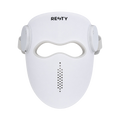
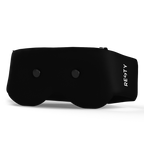
Explore the Resty sleep mask if reducing light is the practical gap in your routine. Comfort is the feature that decides whether a mask helps or ends up on the floor.
Keep building the routine
For travel, use the long-flight sleep-mask checklist to check headrest and strap comfort. With eyelash extensions, follow the lash-clearance fit test before sleeping. In a shared bedroom, begin with the light source and the person who needs darkness.