
Sleep Mask for Long Flights: What to Look For
A good sleep mask for a long flight should block changing cabin light without pressing uncomfortably on your eyelids. The most useful buying factors are the seal around the nose, space around the eyes, an adjustable strap, comfort against a headrest and a compact shape that is easy to keep clean. A mask can make the environment darker; it cannot guarantee sleep or prevent jet lag.
Why an eye mask is useful on a long flight
Cabin lights, screens and neighbouring reading lamps can change throughout a flight. The CDC’s guidance for aircrew and jet lag lists eye masks and earplugs as practical ways to reduce light and noise when resting away from home.
Research also supports the basic idea that blocking ambient light can matter, although it is not specific to aircraft. A controlled home-sleep study found better next-day alertness and episodic learning when young adults slept with an eye mask. That result does not mean every traveller will sleep well in economy class; it shows why darkness is a reasonable environmental target.
Six things to check before buying
- Light seal: check the bridge of the nose and lower edge, where cabin light often leaks in.
- Eye space: a contoured mask leaves room to blink and avoids lying flat on the eyelids.
- Adjustable strap: it should stay in place without needing painful tension.
- Headrest comfort: avoid a large buckle or thick seam exactly where your head touches the seat.
- Side-resting comfort: soft, low-profile edges matter if your head turns against a pillow or window-side support.
- Packability and hygiene: choose a mask that fits in hand luggage and can be cleaned according to its care instructions.
Contoured 4D mask or flat eye mask?
A flat eye mask is usually thin and simple, but it may touch the eyelids and lashes. A contoured or 4D mask creates small eye cavities. That extra space can feel better if you blink, wear mascara or dislike pressure around the eyes.
Contour alone does not guarantee blackout. The nose bridge and strap still determine whether light enters. Fit varies by face shape, so test the mask in daylight before relying on it overnight.
How to test the fit before travelling
- Try it at home first. Wear the mask for 20 to 30 minutes while reclining.
- Check the nose seal. Look toward a bright room without opening your eyes and notice light leaks.
- Turn your head. Recreate contact with a headrest or travel pillow and check whether the strap or buckle presses.
- Loosen before tightening. Use only enough tension to keep the mask stable; tighter is not automatically darker.

When to put the mask on during a flight
Use the mask when you have chosen a realistic rest window, not simply from take-off to landing. Finish anything that needs clear vision first, place essentials within reach and follow all crew instructions. If you are trying to align with destination time, plan the dark period before you board rather than deciding only when you feel exhausted.
Remove the mask before standing, walking through the cabin, eating or responding to an announcement. A sleep accessory should never reduce awareness when awareness is required.
Pair darkness with a quieter setup
A sleep mask does not reduce engine, conversation or service noise. In a simulated noisy and illuminated environment, researchers found that eye masks and earplugs affected sleep-related measures, but the setting was a simulated intensive-care environment rather than an aircraft.

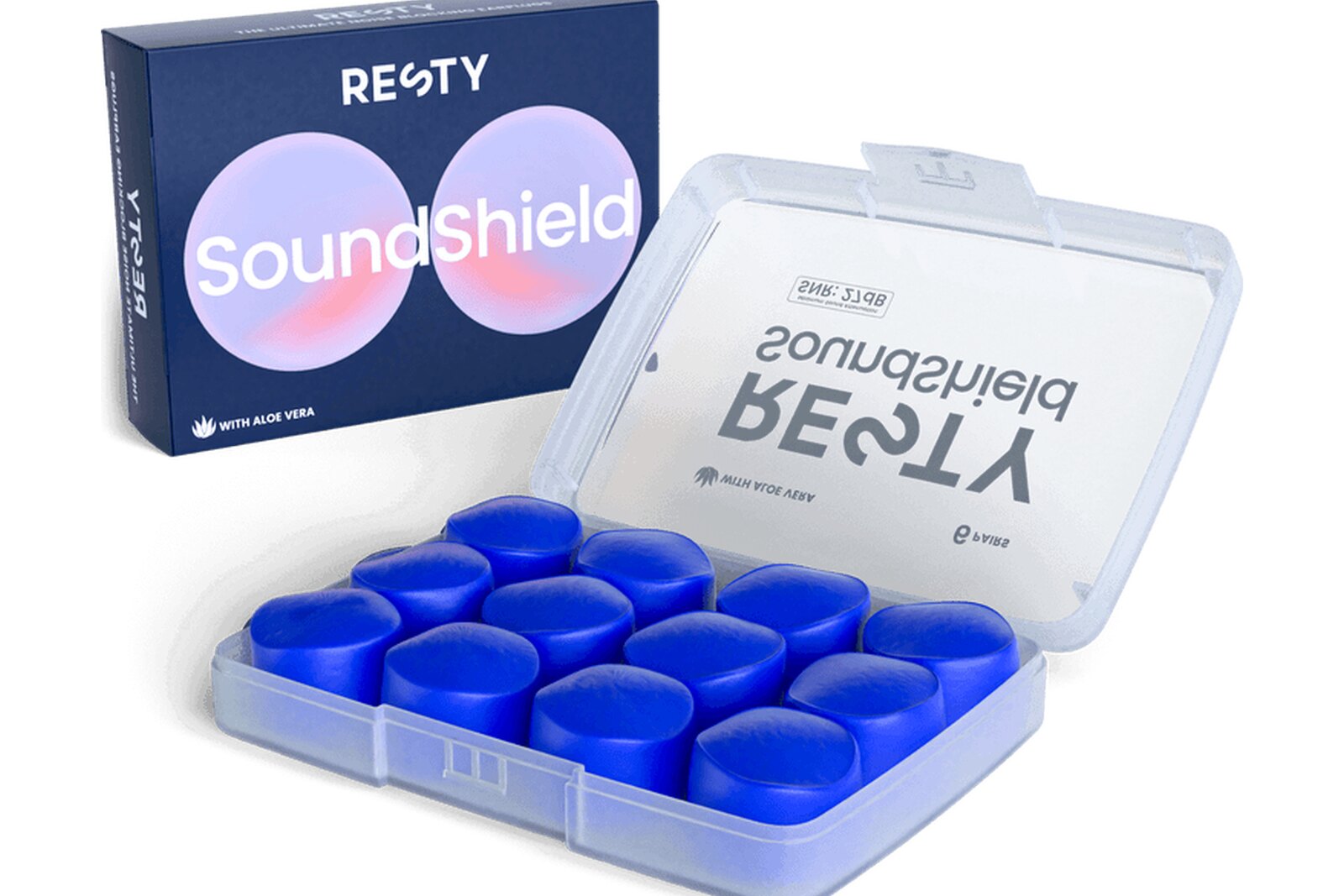
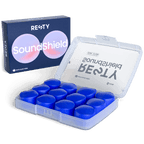
If sound is the main distraction, consider Resty SoundShields earplugs and test them before the trip. Make sure you can still respond to alarms, announcements and people travelling with you.
Keep the mask clean between flights
Store the mask in a clean pouch rather than loose beside shoes, cables and used travel items. Follow the label for hand washing or surface cleaning, and let every layer dry fully before packing it away.
Avoid sharing an eye mask. Stop using it if it causes persistent irritation, traps uncomfortable heat or has damaged foam, rough edges or a strap that no longer holds predictably.
How the Resty 4D Sleep Mask fits this checklist
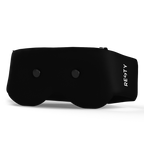
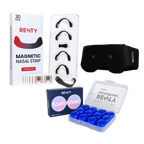
The Resty 4D Sleep Mask has contoured eye cups, space around the eyes and eyelashes, a soft adjustable strap and a compact format for flights, hotels and naps.
It is designed for side and back sleepers, but aircraft seats and face shapes differ. Test the strap and side profile against your own travel pillow or headrest before departure.
What a sleep mask cannot do
A mask does not prevent jet lag, treat insomnia or replace a sensible sleep schedule. Crossing time zones changes circadian timing even when the cabin is dark.
Seek professional advice for persistent sleep problems. During travel, follow airline safety instructions, keep the mask off whenever you need to move safely and do not use it to ignore severe headache, breathing difficulty, chest pain or other concerning symptoms.
Frequently asked questions
What is the best sleep mask for a long flight?
The best practical choice blocks light around your nose, leaves comfortable eye space and stays secure without pressure from the strap or buckle. Test the actual fit before travelling.
Can a sleep mask prevent jet lag?
No. It can create darkness during a planned rest window, but jet lag is a mismatch between your body clock and the destination time.
Is a 4D sleep mask good for side sleeping on a plane?
A contoured mask can reduce direct eye pressure. Side comfort still depends on the edge thickness, strap position, headrest and travel pillow.
Can I wear a sleep mask with eyelash extensions?
A contoured eye cavity may provide more clearance than a flat mask, but lash length and mask fit vary. Check that nothing touches or bends the extensions before sleeping.
Before departure, use the eyelash-extension fit test if you need lash clearance, and the earplug comfort guide if pillow pressure or placement is a problem.
Build a darker, quieter travel setup
Test every item at home, pack it clean and use it only during a planned rest window.
Shop the 4D sleep mask Shop SoundShieldsSending a team on the road? Resty assembles travel kits for your team.