

Mouth Tape and Nasal Strips for Workouts: What They Can Do
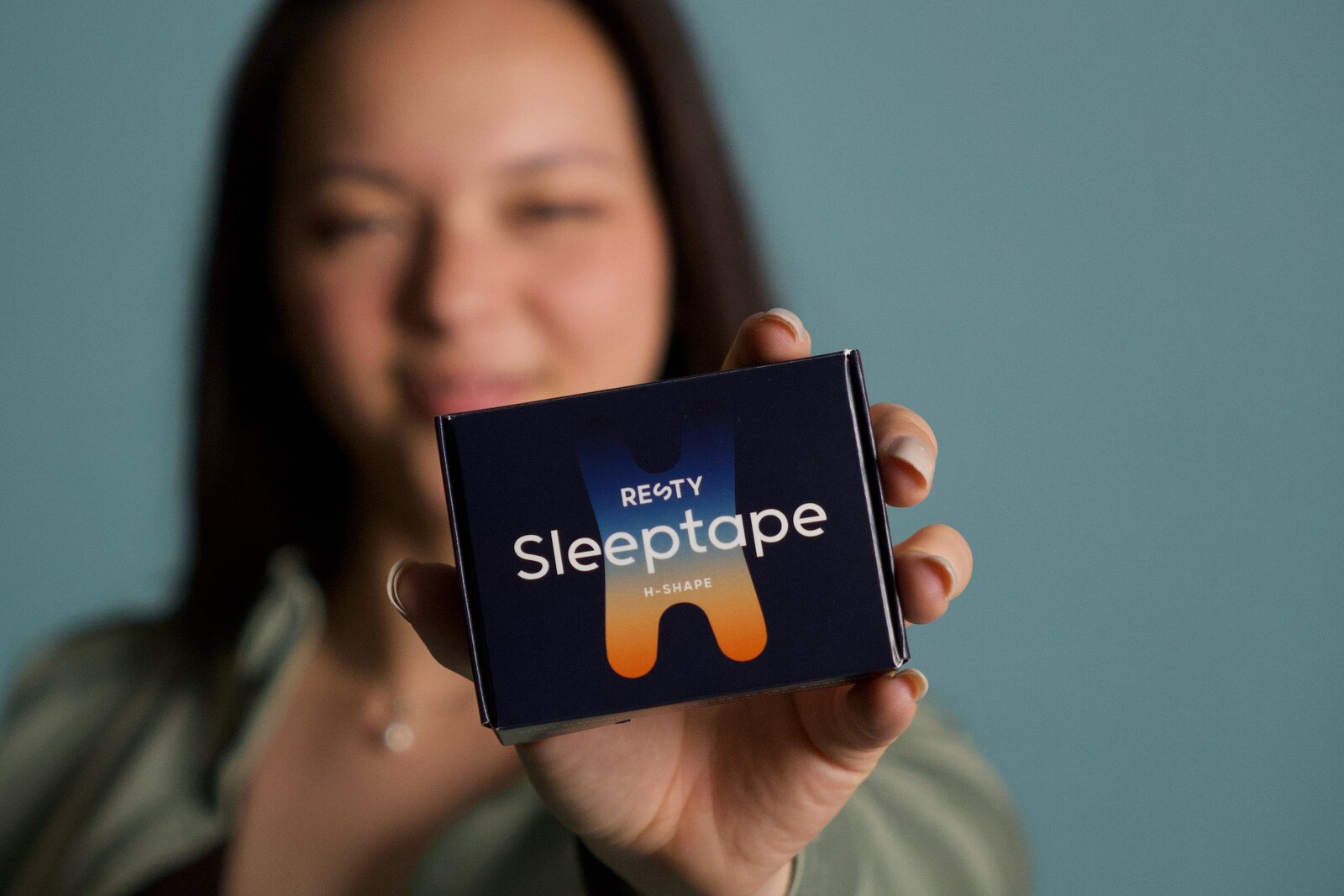
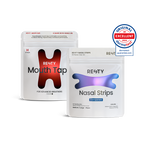
Mouth tape and nasal strips are not interchangeable workout tools. A nasal strip lifts the skin over the nasal valve; mouth tape restricts how the lips open. For training, that difference matters: a strip may support a more open nasal sensation, while mouth tape can make it harder to respond when exercise demand rises.
How nasal strips may fit
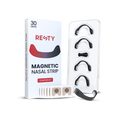
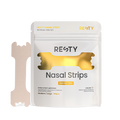
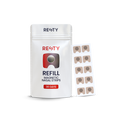
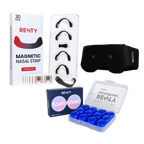
External nasal strips can make the front of the nose feel more open for some athletes. Apply them to clean, dry skin before sweating and remove them if the adhesive irritates your skin. They do not treat asthma, allergies, deep airway obstruction or exercise breathlessness.
Why mouth tape is a poor fit for workouts
Exercise intensity, heat and terrain can change quickly. Mouth breathing can be a normal response to higher demand. Sealing the lips can make it harder to adapt and can turn a pacing exercise into a breathing constraint. There is no need to prove fitness by refusing to breathe through the mouth.

A safer nasal-breathing practice
- Start with a walk or easy warm-up.
- Use relaxed nasal breathing for a few minutes if it feels easy.
- Switch to normal breathing as effort rises.
- Judge the session by safe pacing and recovery, not by a promised physiological metric.
Stop the session when
You feel chest pain, faintness, wheezing, unusual breathlessness, dizziness or panic. Repeated symptoms deserve assessment, not a stronger product routine.
Use nasal strips only as optional external support. Keep mouth tape out of exercise and let comfort, effort and safety guide your breathing.
Choose the next step for your training
For a gentle starting point, follow the nose-breathing practice for easy exercise. If you want external nasal support, compare magnetic and regular nasal strips by application and skin contact. Test a strip on an ordinary training day, keep your mouth free and stop if it feels distracting or uncomfortable. A sleep product does not become suitable for exercise because you pair it with a nasal strip.