


Mouth Taping for Sleep: What the Research Says
What does the research say about mouth taping for sleep? The evidence is still developing. A 2025 systematic review found limited and mixed research, with possible benefit in some settings but important safety concerns when nasal obstruction or sleep-disordered breathing is present. Mouth tape is not a proven cure for snoring and it does not treat sleep apnea.
This evidence guide separates what is biologically plausible from what has actually been demonstrated. It is for education, not diagnosis. If you snore loudly, wake gasping or have witnessed breathing pauses, get the cause assessed before trying to cover your mouth.

What is mouth taping?
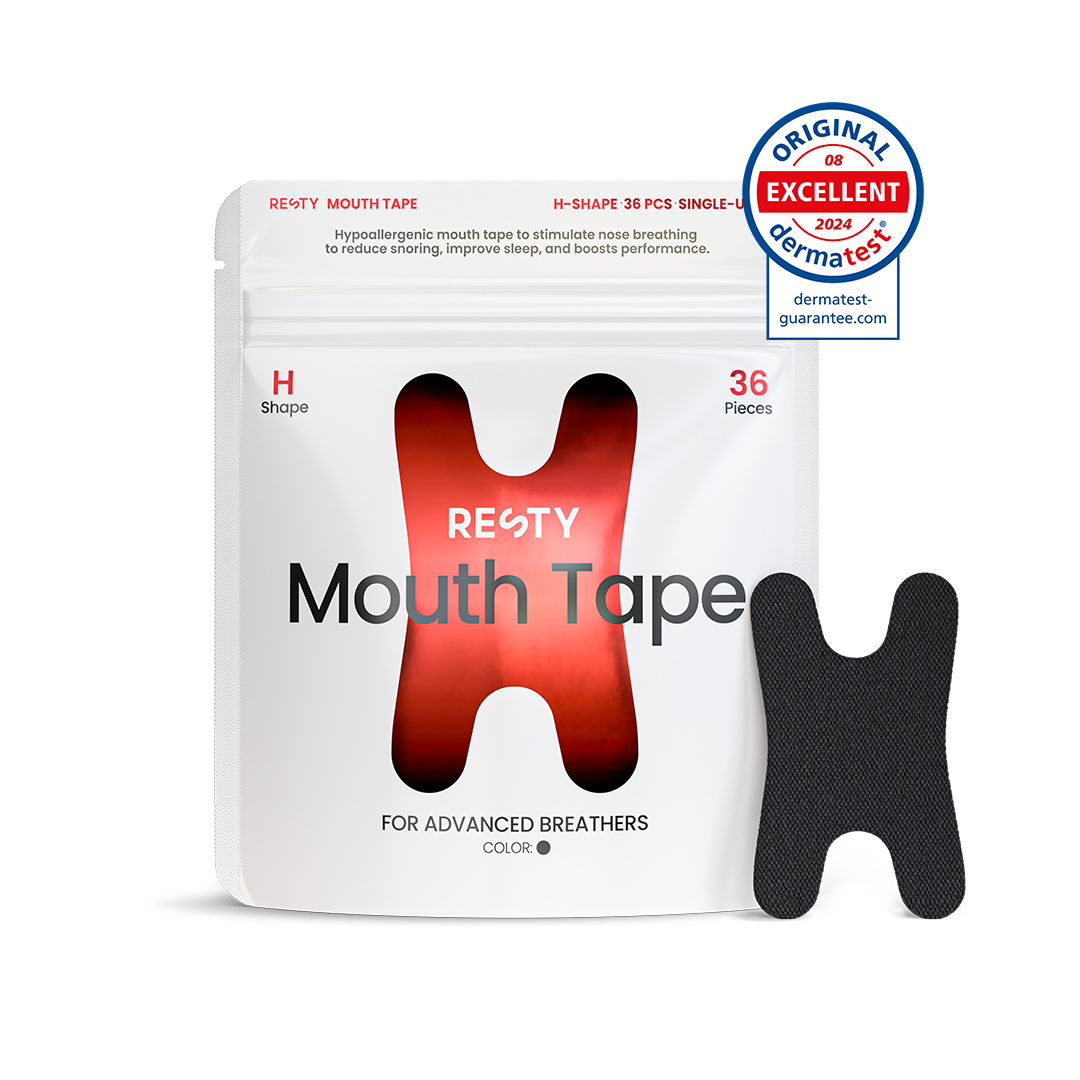
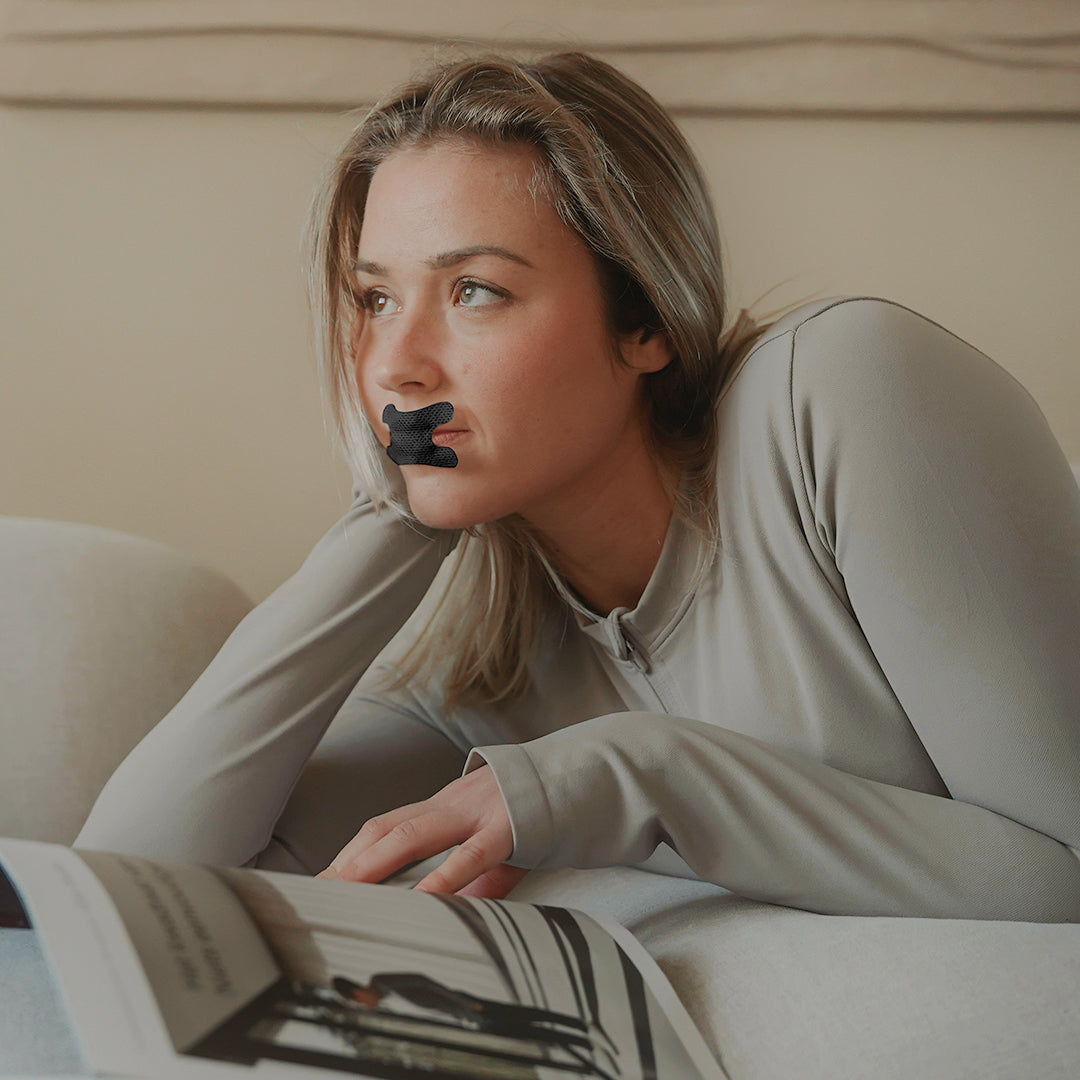
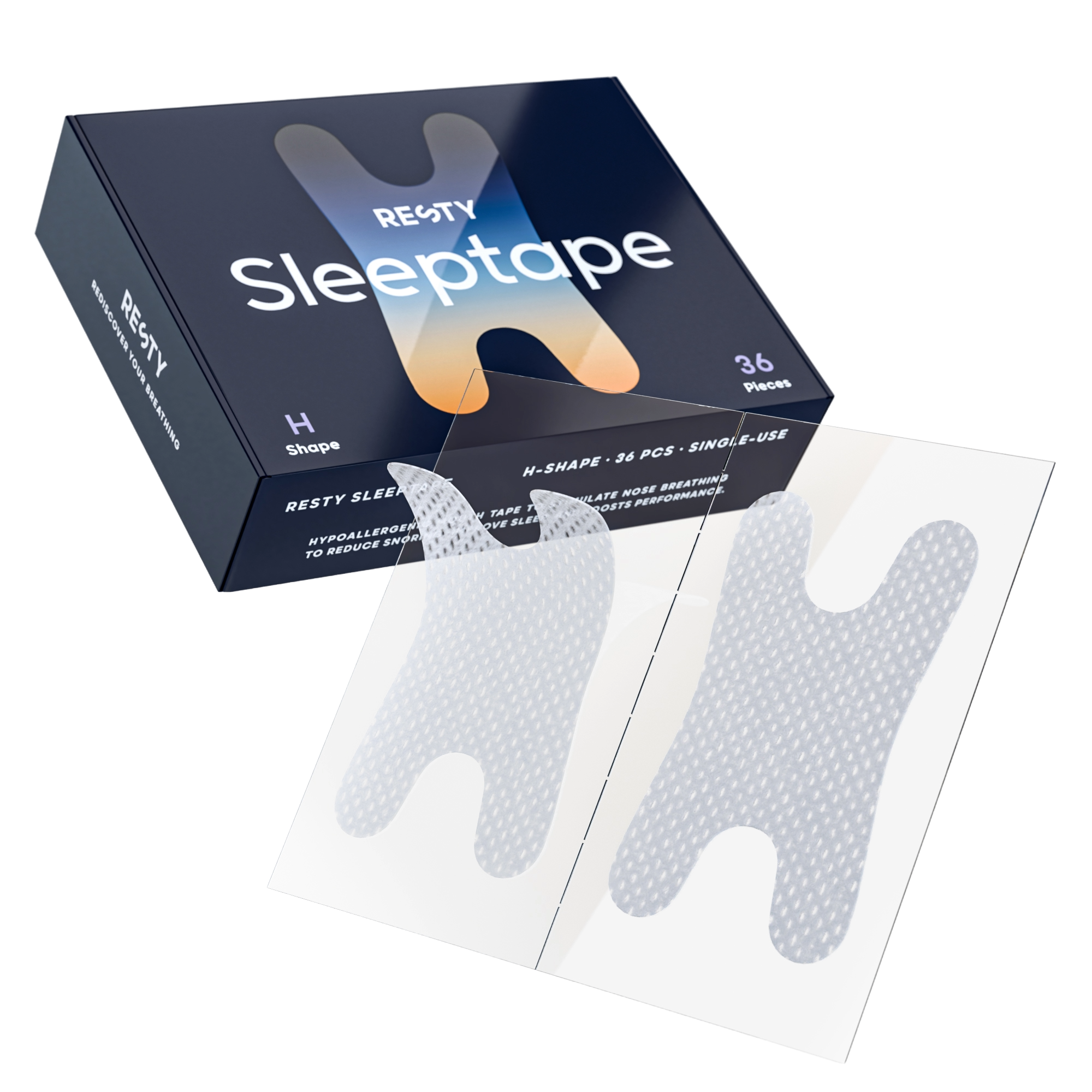
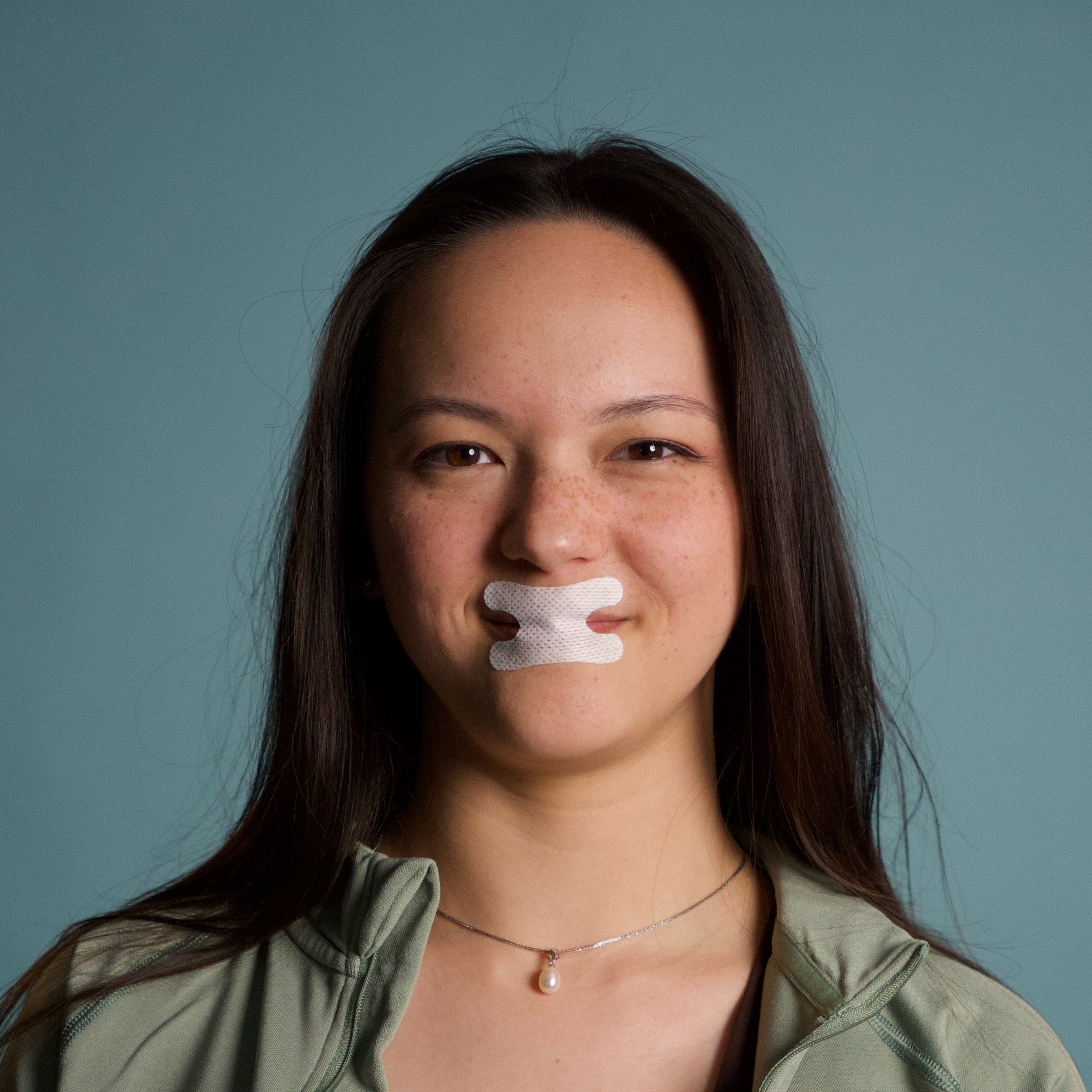
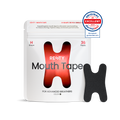
Mouth taping is the use of a purpose-designed adhesive strip as a light reminder to keep the lips together during sleep. The proposed goal is to encourage nasal breathing, not to create an airtight seal. It is different from household tape and different from medical treatment for an airway disorder.
People usually search for mouth tape because of dry mouth, open-mouth sleeping, snoring or an interest in nasal breathing. Those symptoms can have many causes. A product response cannot establish why someone is breathing through the mouth.
What has research on mouth taping actually examined?
Research in this area is not one single test with one universal answer. Studies and reviews have explored different questions, including:
- whether keeping the lips together changes mouth leak or airflow during sleep;
- whether selected people report changes in dry mouth, snoring or sleep comfort;
- how nasal obstruction or sleep-disordered breathing changes the risk;
- whether a mouth-closure cue has a role in a specific clinical context.
These are narrower questions than “does mouth taping improve sleep for everyone?” Small studies, different products, different participants and different outcomes make broad conclusions difficult. A result in a selected group should not be presented as a guarantee for every sleeper.
Primary source: 2025 systematic review of mouth taping for sleep.
What is biologically plausible?
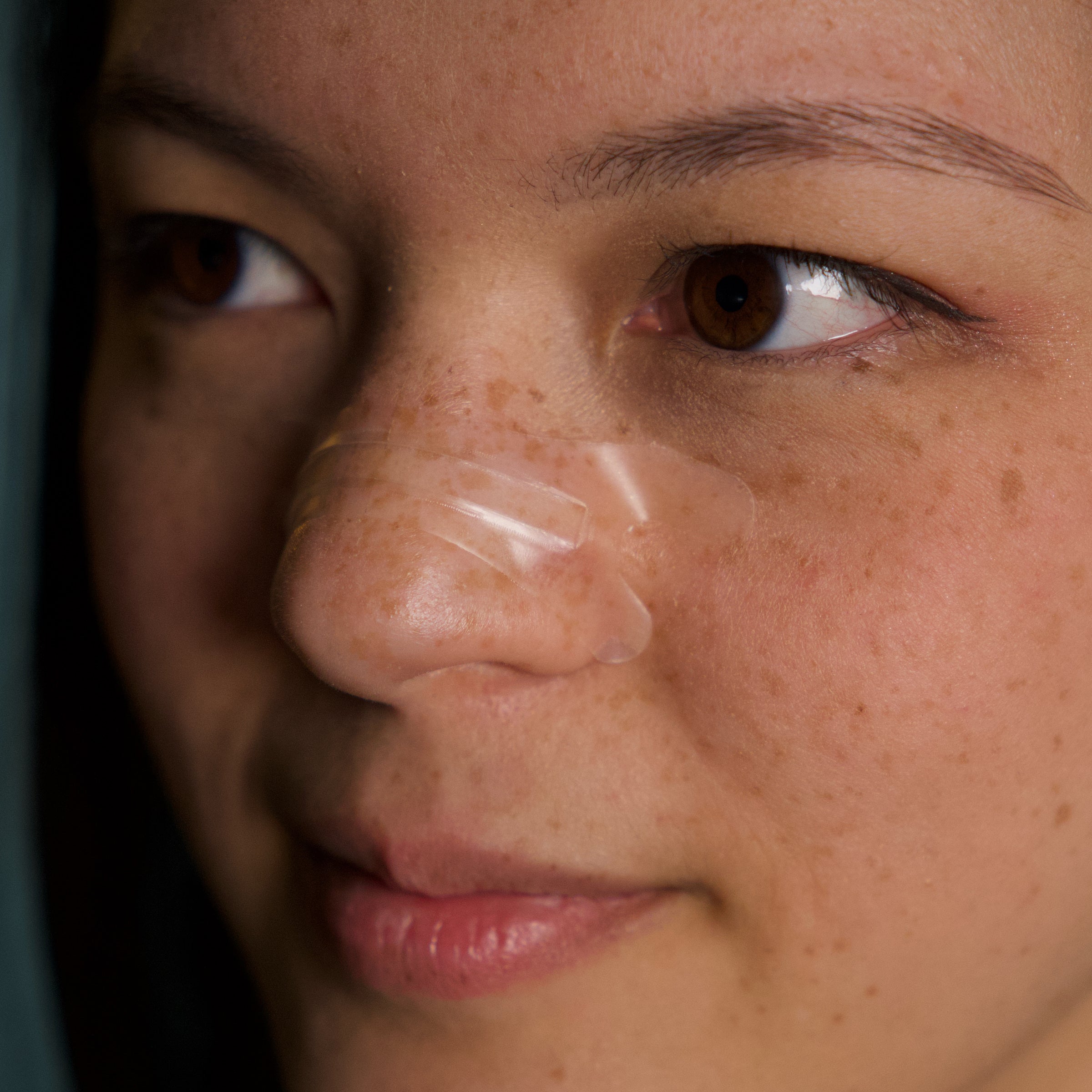
The nose warms, humidifies and filters incoming air. When nasal breathing is comfortable, keeping the lips together may reduce the dry-mouth feeling caused by open-mouth airflow. An external nasal strip may also make the entrance of the nose feel more open for some people by providing mechanical support.
Those mechanisms do not prove that mouth tape improves oxygen levels, deep sleep, energy, athletic performance or long-term health. The effect depends on the underlying airway, the person's health and what is causing the mouth to open. Avoid precise percentage claims unless they clearly apply to the exact population and intervention being discussed.
What the research does not prove
- Mouth tape does not treat or cure obstructive sleep apnea.
- It does not guarantee that snoring will stop.
- It does not make a blocked nose safe to tape over.
- It does not prove that every user will sleep deeper or wake with more energy.
- It does not replace assessment of persistent congestion, loud snoring or daytime sleepiness.
Anecdotes can be useful for generating questions, but they are not the same as controlled evidence. If a person feels better with a product, that experience is worth noting; it still does not identify the cause or rule out a sleep disorder.
Why nasal obstruction changes the safety picture
Mouth breathing can be a response to a cold, allergy, swollen nasal tissue, anatomy or another obstruction. If the mouth is covered while the nose cannot provide comfortable airflow, breathing may feel harder and the routine can increase anxiety or disturb sleep. This is the central reason a “one size fits all” safety claim is inappropriate.
Do not use mouth tape when you cannot breathe comfortably through your nose. Stop if you wake short of breath, panicky, congested, nauseous or unable to remove the strip easily. Skin irritation and poor sleep are also reasons to stop.
Who should ask a healthcare professional first?
Ask for individualized advice before trying mouth tape if you have suspected or diagnosed sleep apnea, loud regular snoring, witnessed breathing pauses, nighttime choking or gasping, persistent nasal blockage, asthma or another breathing condition. Children should not be put on a mouth-taping routine without qualified professional advice.
The same applies when a new sleep symptom appears or when anxiety makes the idea of restricted breathing distressing. The correct next step may be allergy care, an ear-nose-throat assessment, a sleep evaluation or another treatment, not more adhesive.
How to evaluate online “science-backed” claims
- Find the primary source. Check whether a claim links to a paper, a review or only a testimonial.
- Check the population. Results in selected adults may not apply to children, people with congestion or people with sleep apnea.
- Check the outcome. A change in mouth leak is not the same as better sleep quality or a medical treatment effect.
- Check the intervention. “Mouth taping” can mean different shapes, materials and protocols.
- Look for limits and harms. A credible summary explains who was excluded, what was uncertain and when to stop.
This is also why Resty avoids blanket promises. A clear safety boundary is more useful than a dramatic benefit list that does not match the evidence.
If an adult still wants to try it
Treat mouth tape as an optional cue only after nasal breathing is clear and comfortable. Choose a product designed for the lips, follow its instructions, keep it easy to remove and do not use it to work around congestion. Track comfort and sleep quality rather than assuming a product has fixed the cause.
Our practical guide, Mouth Taping for Sleep: Does It Work? Safety, Benefits & Risks, covers the checklist and stop signs in more detail. Our mouth-breathing safety guide explains when to seek help.
Mouth tape and nasal strips: different roles
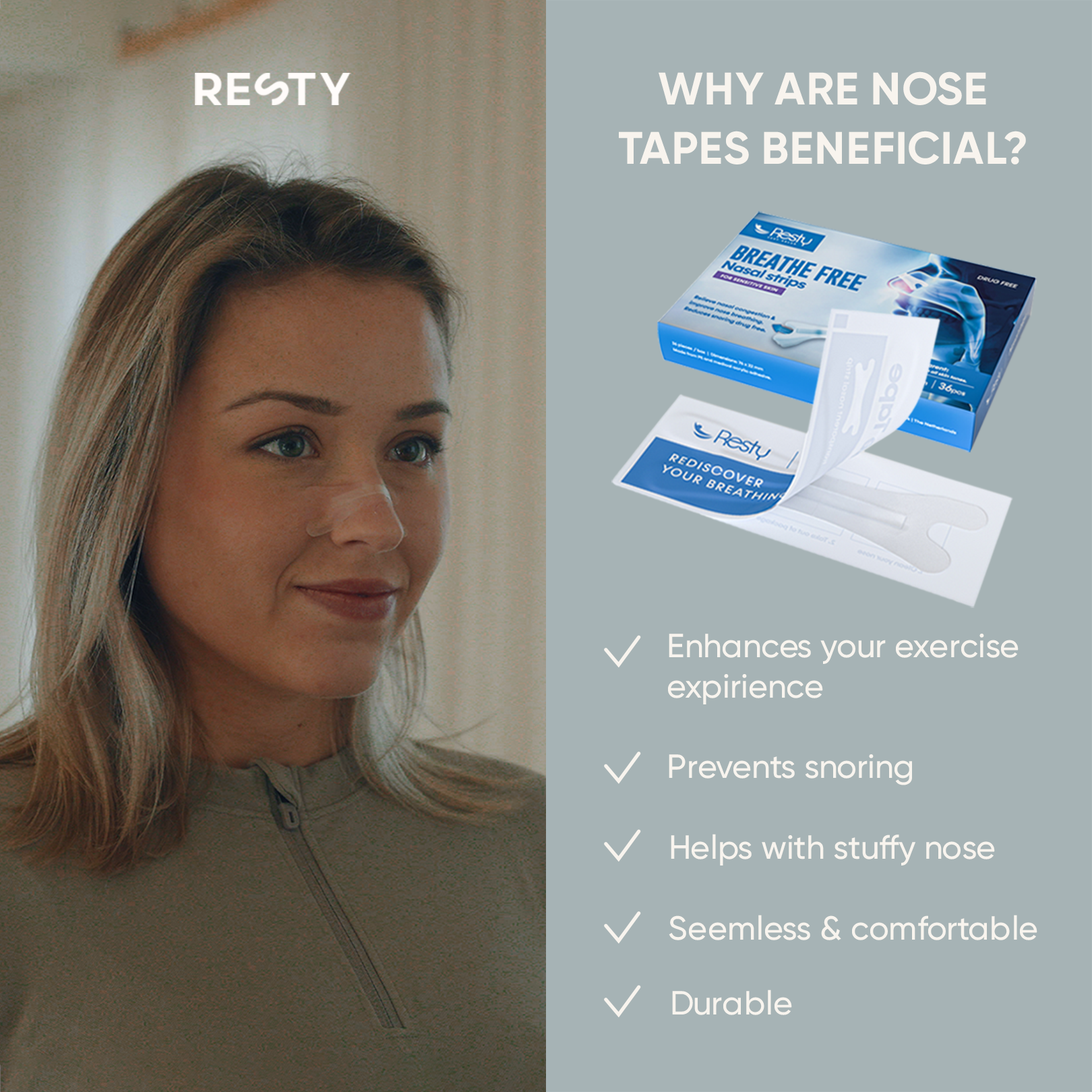
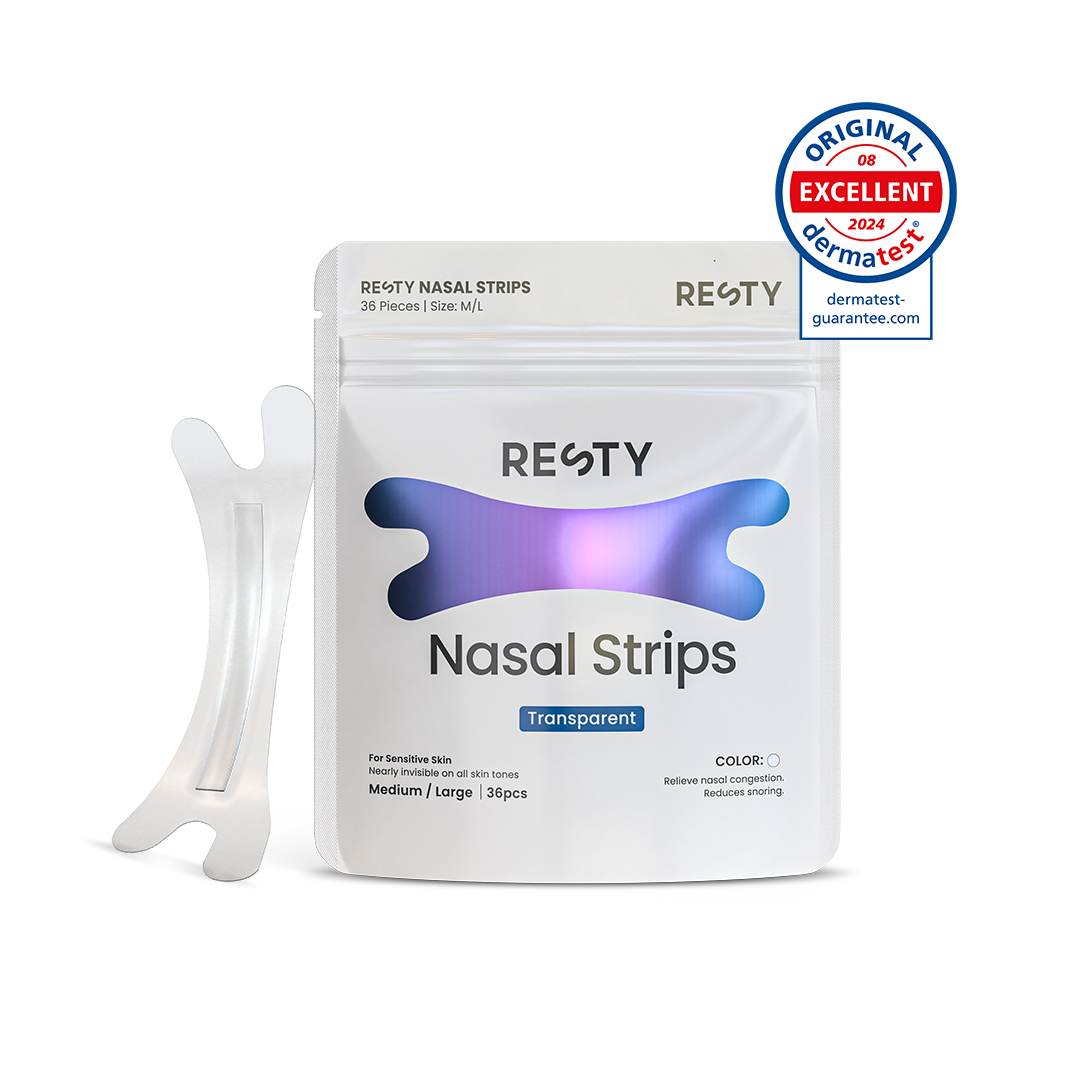
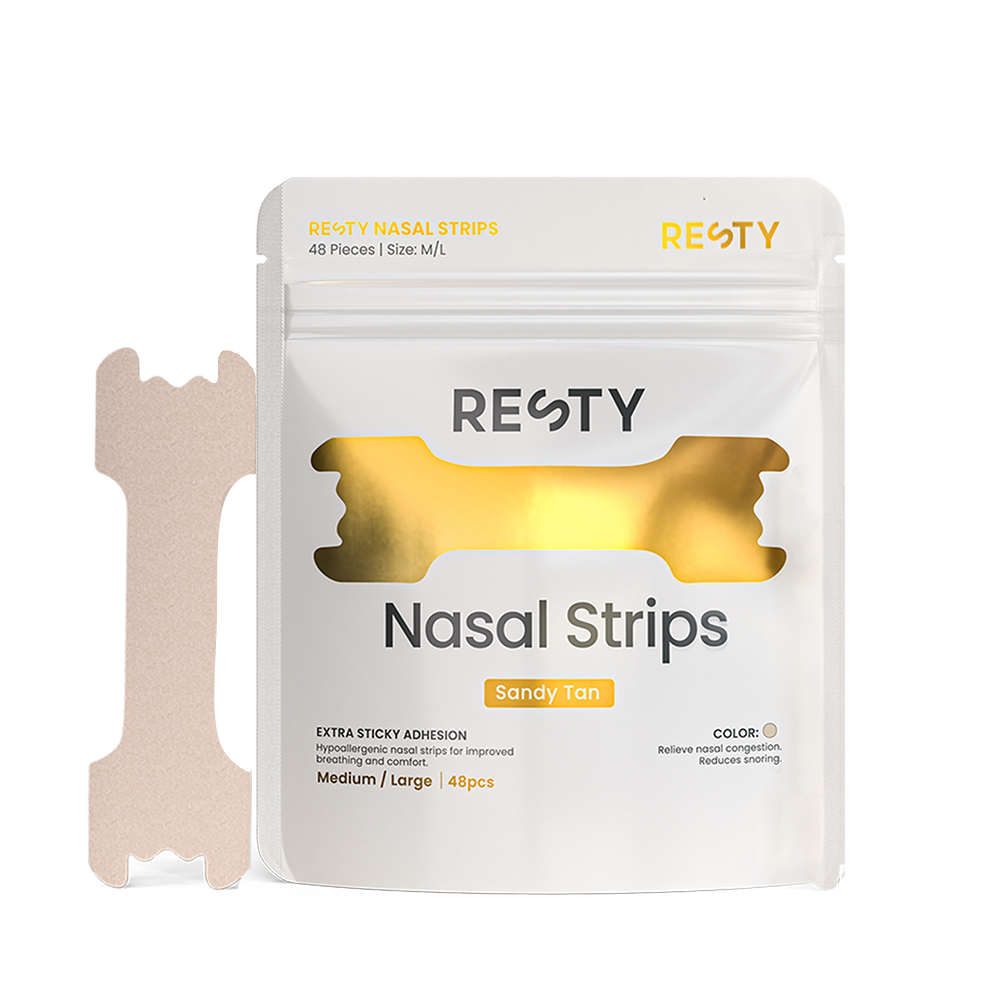
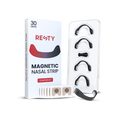
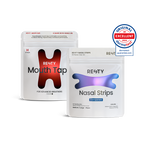
Mouth tape is a lip cue. An external nasal strip provides mechanical support to the outside of the nose. A nasal strip may help some people feel more open, but it does not treat sleep apnea or every type of nasal obstruction. If you compare products, read the nasal-strip evidence guide and follow the product instructions.
Combining the two only makes sense when nasal breathing is already clear and comfortable. Read our combination guide for a cautious routine; it is not a treatment plan.
Frequently asked questions
Is mouth taping proven?
No broad conclusion applies to everyone. The evidence is limited and mixed, and the possible benefit depends on the person and the reason for mouth breathing.
Does mouth tape stop sleep apnea?
No. Mouth tape is not a treatment for sleep apnea. Suspected sleep apnea needs professional evaluation.
Can mouth tape fix a blocked nose?
No. It can make breathing feel harder when nasal airflow is limited. Address the obstruction first and do not tape over a blocked nose.
What is the safest evidence-based first step?
Identify why nasal breathing is difficult, address persistent obstruction with appropriate care and seek advice for loud snoring, breathing pauses or daytime sleepiness. Products should come after that safety check.
The takeaway
Mouth taping is a developing area of research, not a universal sleep solution. The strongest practical message is simple: comfortable nasal airflow matters, obstruction changes the risk and warning signs deserve medical attention. Use primary sources, question absolute promises and keep any product routine optional and easy to stop.