







Blocked Nose at Night: Causes and Relief Tactics
You wake in the early hours, mouth dry, throat irritated and one nostril so blocked that breathing feels like work. You roll onto your other side, sit up, reach for a spray, and hope the next attempt at sleep will be easier. Then the same blockage returns the following night.
A blocked nose at night can be temporary, but persistent symptoms deserve more careful thought. In the UK, almost one in five adults often experience nasal congestion, and 18% say they often struggle with it, with effects on sleep and daily activities reported in the same UK consumer health guide (Olbas Breathe Easy Guide). The useful question isn't only how to open your nose quickly. It's why the passage keeps closing when you go to bed.
Table of Contents
- The Mechanics of Nighttime Nasal Congestion
- Identifying the Root Causes of Bedtime Blockages
- How Nasal Obstruction Degrades Sleep Quality
- Immediate Relief Tactics for Better Airflow
- Avoiding the Decongestant Spray Trap
- When to Seek Professional Medical Evaluation
- Building Your Nighttime Breathing Routine
The Mechanics of Nighttime Nasal Congestion
During the day, being upright helps fluid drain away from the tissues inside your nose. At bedtime, you remove that advantage. Lying flat increases blood flow towards the head, which can swell the blood vessels in the nasal lining and make the nose feel more blocked, as described in UK patient guidance (Patient nasal congestion guidance).
That change can turn a mildly narrow passage into a frustrating obstruction. You may breathe comfortably while standing at the kitchen counter, then struggle after lying down because swollen nasal tissue occupies more of the available airway. Mucus also drains less efficiently in a horizontal position, so irritation and secretions can become more noticeable overnight.
The nose isn't equally open on both sides
Your nostrils naturally take turns carrying more of the airflow. This normal pattern is often called the nasal cycle. If one side is already narrower because of inflammation, an allergy trigger or anatomy, the normal cycle can make that side feel completely closed when its tissues swell.
This is why turning onto your side sometimes changes the experience within minutes. The effect isn't proof that the problem is harmless, but it does suggest that position and tissue swelling are contributing. A cool room, dry air, bedding allergens or a recent cold can add another layer of irritation.
Practical rule: If your nose is clearer when you're upright and worse soon after lying flat, test posture and bedroom conditions before assuming you need a stronger medicine.
The immediate temptation is to switch to mouth breathing. That can keep air moving, but it often leaves the mouth and throat dry and may make snoring more likely. A blocked nose can therefore become part of a wider sleep problem, which is why understanding nasal versus mouth breathing and why it matters for sleep is useful.
Identifying the Root Causes of Bedtime Blockages
The pattern of your symptoms often gives more information than the sensation of blockage itself. A nose that opens after you sit up points towards positional swelling, while congestion that appears every night in the same bedroom raises suspicion of an environmental or inflammatory trigger. Blockage that stays fixed on one side suggests that anatomy may be involved.
Four patterns to look for
Positional fluid shifts are most obvious when congestion worsens soon after you lie down and improves after you stand or walk around. Elevation may help because it reduces pooling in the nasal mucosa and supports mucus drainage. This is a mechanical pattern, although inflammation can make the response much stronger.
Allergic rhinitis tends to come with a recurring relationship to the bedroom or a particular season. Dust mites, mould, pets and airborne irritants can inflame the nasal lining. The UK has a clinically confirmable allergic rhinitis prevalence of 26.0%, compared with a European all-country average of 22.7%, in a UK epidemiology review (UK allergic rhinitis review). That makes allergy a plausible explanation for recurring nighttime symptoms, not an edge case.
Non-allergic rhinitis can produce similar congestion without a classic allergy pattern. Temperature changes, dry air, strong smells and other irritants may provoke swelling or increased mucus. Keep a short note of when the blockage appears, whether both nostrils are involved and what changes it, rather than relying on one uncomfortable night as a diagnosis.
Anatomical narrowing includes a deviated septum, enlarged turbinates or a vulnerable nasal valve. Think of the nasal valve as the narrow entrance to a flexible tent. If the supporting sides draw in during inhalation, the passage can narrow further under negative pressure, especially when the surrounding tissue is already swollen.
Match the aid to the obstruction
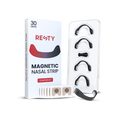
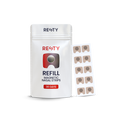
A room change may help allergy or irritation, but it won't correct a consistently narrow nasal valve. An external strip can support the front of the nose, but it won't treat deeper inflammation. Reusable Magnetic Nose Strips for Breathing use a reusable clip and fresh adhesive tabs to create a gentle external lift at the sides of the nose.
Track three clues for several evenings:
- Timing: Does congestion begin before bed, immediately after lying down or during the night?
- Location: Is it always one nostril, alternating sides or affecting both?
- Context: Does it change with bedding, pets, heating, a cool room, exercise or a recent illness?
A persistent pattern affecting sleep should move you towards clinical assessment, particularly when simple environmental and positional changes make little difference.
How Nasal Obstruction Degrades Sleep Quality
A blocked nose changes how you breathe, not just how comfortable you feel. When nasal airflow falls, many people compensate by opening the mouth. That keeps ventilation possible, but it bypasses the nose's role in warming, humidifying and filtering incoming air.
Mouth breathing also changes the physical shape of the upper airway during sleep. The lips part, the mouth dries and the throat can become more vulnerable to vibration, which may increase snoring. If airflow becomes unstable, repeated brief arousals can occur without you fully remembering them.
UK clinical and commissioning guidance treats this as more than a minor bedtime nuisance. The NHS advises review when rhinitis symptoms affect sleep and everyday life, while English ENT guidance lists severe difficulty sleeping among symptoms associated with confirmed continuous obstruction of one or both nostrils (NHS England ENT commissioning guidance).
The fatigue loop
You may fall asleep quickly but still wake repeatedly because breathing feels restricted. Each interruption can reduce the continuity of sleep, leaving you tired, foggy or irritable the next day. The UK epidemiology review links chronic nasal congestion with sleep-disordered breathing, sleep fragmentation, reduced sleep time and poorer sleep quality.
That doesn't mean every congested night indicates sleep apnoea. It does mean that persistent obstruction plus loud snoring, gasping, choking or marked daytime sleepiness shouldn't be managed indefinitely with cosmetic fixes. A nasal strip may make the front of the nose feel more open, but it can't diagnose or treat an obstructive breathing disorder.
A useful distinction is this: mechanical support can improve the entrance to the airway, while medical treatment may be needed to calm inflamed tissue. If the problem keeps returning, the goal is to identify which part of that system is failing rather than repeatedly forcing a temporary opening.
Immediate Relief Tactics for Better Airflow
Start with interventions that change the conditions around your nose. They have a lower risk of creating a medication cycle, and they help you learn whether your obstruction is mainly positional, environmental or structural.
Adjust your position first
Raise your head and upper body rather than folding your neck sharply forwards with a pile of soft pillows. UK guidance recommends sleeping with the head propped up, using extra pillows where appropriate, keeping the bedroom cool and considering a humidifier when dry air is a trigger (Patient guidance on nasal congestion).
Try this routine tonight:
- Create gentle elevation: Use a supportive arrangement that keeps your neck neutral. The aim is to reduce the flat position that encourages nasal tissue swelling, not to sleep in an uncomfortable upright posture.
- Test side lying: If one nostril is worse, turn carefully and notice whether airflow changes. Avoid a position that strains your neck or shoulder.
- Check the room: Keep the bedroom cool and remove obvious irritants such as strong fragrance, dusty fabric or a pet from the sleeping area.
- Address dryness cautiously: A humidifier may help if dry air clearly irritates your nose. Keep the device clean and stop using it if the room feels damp or your symptoms worsen.
Add mechanical support when the front of the nose is narrow
External nasal strips work by lifting the sides of the nose. They don't dissolve mucus or reduce allergic inflammation, but they can be useful when the nasal valve feels like the limiting point, particularly during sleep or exercise.

For a strip or reusable clip to work consistently, preparation matters:
- Clean the skin: Wash the sides and bridge of the nose, then dry them completely.
- Remove barriers: Keep moisturiser, facial oil and sunscreen away from the adhesive area.
- Position carefully: Centre a one-piece strip or place the adhesive tabs as shown in the product manual.
- Secure before sleep: Press the adhesive down firmly, then attach the reusable clip if you're using a magnetic format.
- Remove slowly: Peel tabs or strips gently in the morning and stop if your skin reacts or the fit feels uncomfortable.
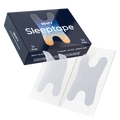
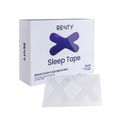
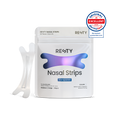
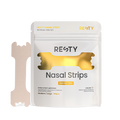
Classic adhesive strips suit people who want a one-piece, single-use option. A reusable magnetic format suits someone who prefers to keep the clip and replace the adhesive tabs. Neither option treats allergic rhinitis, a deviated septum or sleep apnoea. For a closer comparison of designs and use cases, see which nasal strips work for snoring.
Avoiding the Decongestant Spray Trap
At midnight, a decongestant spray can restore airflow within minutes. That short-term benefit may help during a brief cold or flare. The risk appears when you use it night after night and treat returning blockage as evidence that another dose is needed.
UK NHS pathways generally limit intranasal decongestants to a maximum of 7 days because longer use can cause rhinitis medicamentosa, also called rebound congestion (BNSSG allergic rhinitis pathway). Repeated vasoconstriction can leave the nasal lining swollen when the spray wears off, creating a cycle that masks the underlying problem. Persistent reliance may point to allergic or non-allergic rhinitis, or to a structural obstruction rather than a temporary nuisance.
Quick relief is not the same as durable treatment
Follow the packaging instructions or your clinician's advice, and do not extend the course because the first nights without it feel difficult. If you have been using the spray regularly and your nose feels worse without it, speak with a pharmacist or GP before changing your routine. They can help you address rebound congestion safely and identify a more suitable treatment.
Longer-term management should match the cause. Saline irrigation may clear mucus and irritants, while inflammatory rhinitis may require an intranasal corticosteroid or antihistamine selected for the rhinitis type. NICE's rhinitis evidence review specifically says people with nasal congestion and obstructive sleep apnoea or hypopnoea syndrome should be assessed for allergic or vasomotor rhinitis, with treatment considered using topical nasal corticosteroids or antihistamines (NICE rhinitis evidence review).
A better question: What is keeping the tissue swollen, and which treatment addresses that cause?
Prepare saline with water safely, following medical or product guidance. If symptoms persist, regular anti-inflammatory treatment may offer more durable control than repeated short bursts of instant relief. Spray technique also affects where the medicine lands, so ask a pharmacist or clinician to demonstrate it if you are unsure.
When to Seek Professional Medical Evaluation
Home adjustments are reasonable when congestion is occasional, clearly linked to a cold or dry air, and improves as the trigger settles. They become a poor substitute for assessment when the blockage is continuous, repeatedly disturbs sleep or remains fixed on one side.
The NHS advises seeking review when rhinitis affects sleep and everyday life (NHS allergic rhinitis guidance). English ENT guidance also treats persistent obstruction and severe difficulty sleeping as clinically meaningful symptoms, while NICE recommends assessing rhinitis in people with nasal congestion and obstructive sleep apnoea or hypopnoea syndrome.
Use the pattern to choose the next step
Book a GP or pharmacist discussion when your symptoms repeatedly affect sleep, work or normal daytime activities. Ask whether the pattern fits allergic rhinitis, non-allergic rhinitis or another cause, and explain what sprays, rinses or other measures you've already tried.
Ask about ENT assessment when one-sided obstruction remains persistent, airflow is poor during the day as well as at night, or mechanical aids provide little change. Structural narrowing, enlarged turbinates, polyps or other conditions need an examination rather than guesswork.
Discuss sleep assessment when a partner notices breathing pauses, choking or gasping, or when loud snoring accompanies unrefreshing sleep and pronounced daytime sleepiness. A strip may support nasal airflow, but it shouldn't delay investigation of possible sleep-disordered breathing.
Seek more prompt medical advice for significant facial pain or swelling, recurring bloody discharge, severe breathing difficulty or symptoms that feel markedly different from your usual congestion. The exact cause determines whether environmental control, saline, anti-inflammatory treatment or specialist care is appropriate.
If your nose feels blocked most days rather than only at bedtime, persistent nasal blockage guidance can help you organise the symptoms to discuss with a clinician.
Building Your Nighttime Breathing Routine
A reliable routine should reduce triggers before you reach bed, then add support only where it helps.
- Wind down in a clean, cool room. Check for obvious dust, strong fragrance, pet exposure and irritatingly dry air.
- Use saline if it suits your symptoms. A rinse or spray can clear irritants and mucus, provided you follow safe preparation and product instructions.
- Keep your head raised comfortably. Keep the upper body gently raised and your neck neutral.
- Support the nasal valve when needed. Apply a nasal strip or magnetic clip to clean, dry skin. Mechanical lift can help the front of the nose feel more open, but it won't treat inflammation.
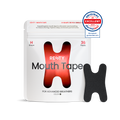
- Don't force mouth closure. Avoid mouth tape if you can't breathe comfortably through your nose, if your nose is actively blocked, or if you have suspected untreated sleep-disordered breathing. Address the obstruction first.
- Record the pattern. Note the side affected, bedroom conditions, triggers and sleep disruption. That record makes a GP or ENT appointment more useful if symptoms persist.
A blocked nose at night is often manageable, but recurring obstruction is information. Treat the immediate mechanics, then investigate the inflammation or anatomy that keeps bringing the problem back.
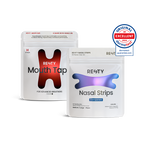
Resty offers practical breathing accessories, including nasal strips and mouth tapes designed to support a simple nose-first bedtime routine. Visit Resty to compare the available tools and choose an option that fits your airflow needs, while seeking medical advice for persistent blockage or possible sleep-disordered breathing.