



Blocked Nose When Lying Down: Practical Relief Strategies
You're breathing comfortably while getting ready for bed. Then you lie down, reach for your phone, and notice that one nostril has narrowed or both sides feel sealed. You turn over, blow your nose, and try again, but the blockage returns within minutes. This pattern can make a blocked nose when lying down feel mysterious, although the underlying change is often measurable and understandable.
The key issue is position. Moving from upright to flat can increase nasal resistance, while allergies, rhinitis, anatomy, bedroom irritants, and sleep-breathing problems may make that normal response much more noticeable. The practical answer isn't to keep guessing. It's to identify whether the main driver is positional swelling, inflammation, external narrowing, or a wider breathing disorder, then match the intervention to it.
Table of Contents
- Why Your Nose Blocks the Moment You Lie Down
- The Sleep Quality Cost of Positional Congestion
- Immediate Actions to Reduce Nighttime Blockage
- Choosing the Right Nasal Support Device
- When Positional Congestion Needs Professional Attention
- Building Your Personal Nighttime Breathing Routine
Why Your Nose Blocks the Moment You Lie Down
Consider someone who breathes normally during the day but develops congestion shortly after getting into bed. Nothing external has necessarily changed. The change may be the transition from sitting or standing to lying supine, meaning flat on the back.
A small study of 20 adults used acoustic rhinometry to compare nasal openness while seated and after 15 minutes lying on the back. Nasal cross-sectional area and volume decreased in both groups, and participants with rhinitis symptoms reported greater blockage. See the original study: Effects of posture change on nasal patency.

Why inflammation makes the position change feel worse
A person with a clear, relatively open nasal passage may tolerate this tissue response without much discomfort. Someone with allergic rhinitis, irritated nasal lining, enlarged turbinates, a narrow nasal valve, or a deviated internal structure starts with less spare room. Lying down can then push airflow below the point that feels comfortable.
Allergic rhinitis is a major UK contributor to nasal blockage. UK guidance cites an adult prevalence of 26% in 2004, while more recent allergy guidance says rhinitis may affect up to 49% of the UK population. The same British Society for Allergy and Clinical Immunology guidance links rhinitis with impaired or disturbed sleep, as well as effects on mood, concentration, and behaviour.
A useful home observation is to compare your breathing before bed with how it feels after you've been lying down for 10 to 15 minutes. If the change is strongly position-linked, that's valuable information. It doesn't prove a single diagnosis, but it suggests that posture and nasal tissue swelling deserve attention rather than assuming the problem is just “bad allergies”.
Practical rule: If your nose is clear upright but predictably narrows when you lie flat, treat the positional change as a real symptom worth tracking.
The Sleep Quality Cost of Positional Congestion
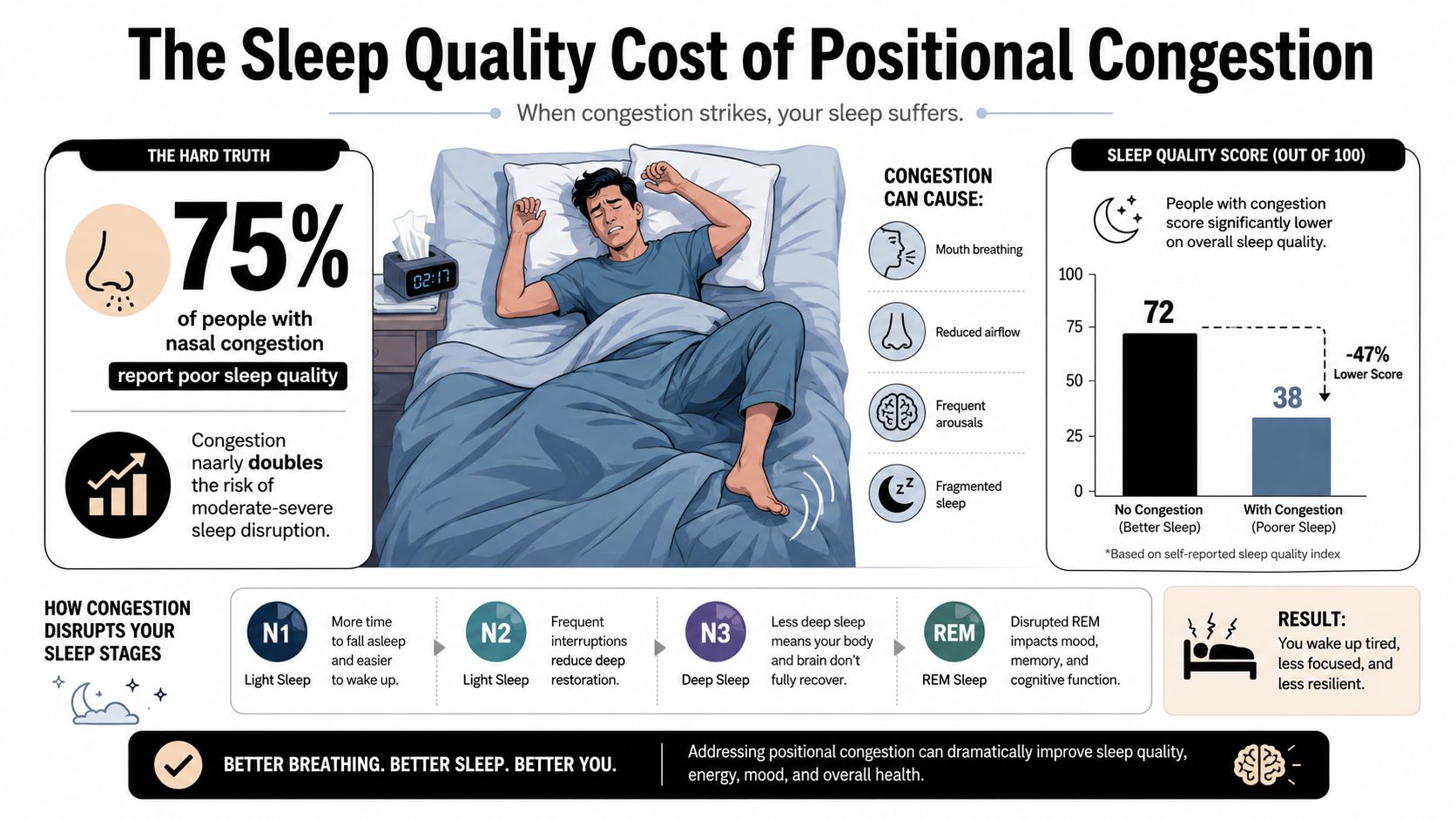
Nighttime congestion affects more than the first few minutes of falling asleep. Nasal resistance increases in the supine position, and a review of positional nasal congestion found that all 12 studies it identified reported increased resistance when people lay down. Pooled results from 4 studies suitable for meta-analysis showed worsening nasal resistance of 0.20 Pa·s/cm³, while healthy volunteers worsened by 0.10 Pa·s/cm³. The review of positional nasal congestion and sleep apnoea gives useful context for why a person can breathe well in a chair yet struggle in bed.
The cascade from obstruction to tiredness
When nasal airflow falls, many people compensate by breathing through the mouth. That can produce a dry mouth, noisier breathing, and repeated adjustments in sleeping position. Even if you don't fully wake, these disturbances can make sleep feel lighter and less restorative.
UK-facing consumer health data found that among people with regular nasal blockage, 37% had difficulty sleeping at night, 30% struggled to fall asleep, and 28% reported daytime tiredness, as summarised by the British Snoring and Sleep Apnoea Association. The same source reported that 18% of adults breathed through their mouths during sleep.
Nasal congestion also matters because it can overlap with disordered breathing. The British Snoring and Sleep Apnoea Association says people with nasal congestion were almost twice as likely to have moderate to severe sleep-disordered breathing as people without congestion. Symptoms were particularly worse when sleeping on the back and in the early morning.
| Nighttime sign | What it may indicate |
|---|---|
| Blockage that changes with posture | Positional nasal resistance or tissue swelling |
| Repeated mouth breathing | Compensation for restricted nasal airflow |
| Snoring that worsens on the back | Increased upper-airway narrowing during sleep |
| Morning tiredness despite enough time in bed | Fragmented or poor-quality sleep |
These signs don't diagnose obstructive sleep apnoea on their own. They do show why persistent positional congestion deserves a systematic response rather than repeated, unplanned use of quick-relief sprays.
Immediate Actions to Reduce Nighttime Blockage
Start with changes that reduce the mechanical effect of lying flat and remove avoidable irritation. Try the same small routine for several nights instead of changing everything at once, otherwise you won't know which step helped.
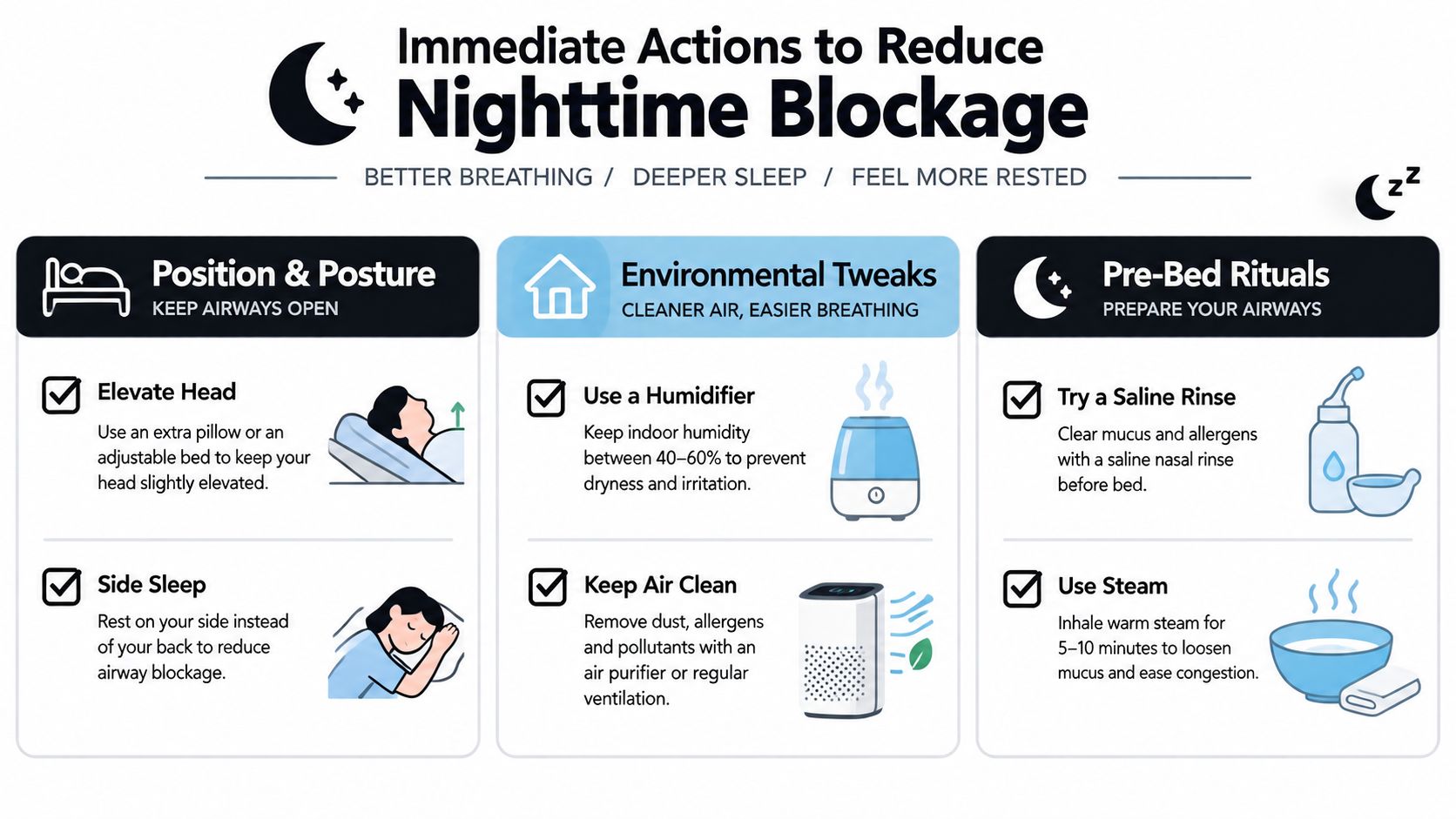
- Change your angle. Raise the upper part of your body rather than bending only your neck with a high pillow. A gradual incline can feel more comfortable than stacking pillows, which may push the head forward and strain the neck.
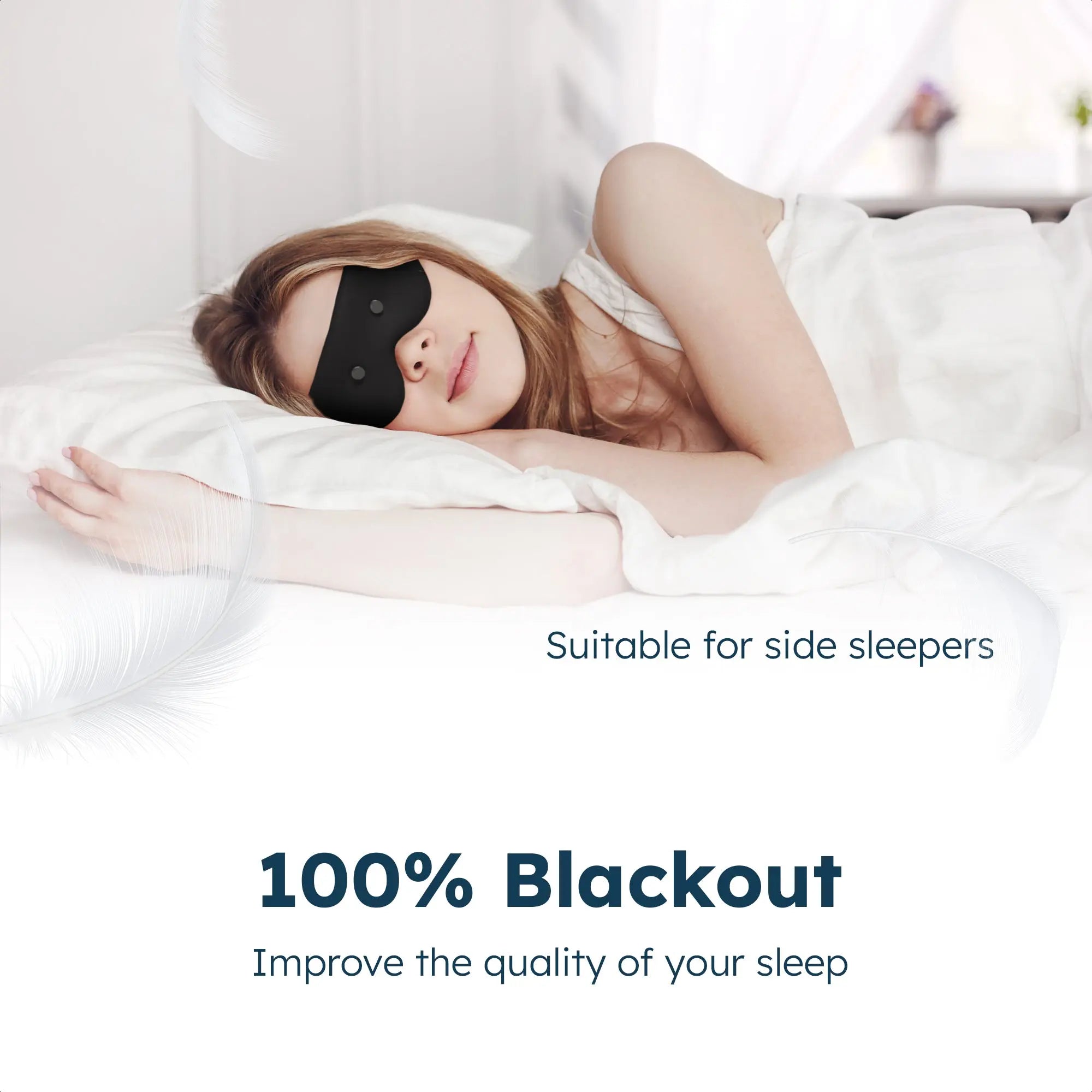
- Test side sleeping. If your back clearly worsens the blockage, begin on your side with your head supported in a neutral position. Pay attention to whether the lower nostril becomes more congested, then change sides if needed.
- Clean the bedroom air. Reduce dust and bedroom allergens by washing bedding regularly, keeping pets away from the sleeping surface, and cleaning areas where dust collects. A humidifier may help if dry air irritates your nasal lining, but it needs regular cleaning. Excess moisture and poor maintenance can create their own indoor-air problems.
- Use saline before bed. A saline spray can moisturise the nasal lining. A saline irrigation may physically clear mucus and irritants, but use an appropriate device and water that's safe for nasal rinsing, following the product instructions carefully. Don't force fluid against a completely sealed passage or continue if you develop pain, bleeding, or marked ear pressure.
Add external support after the basics
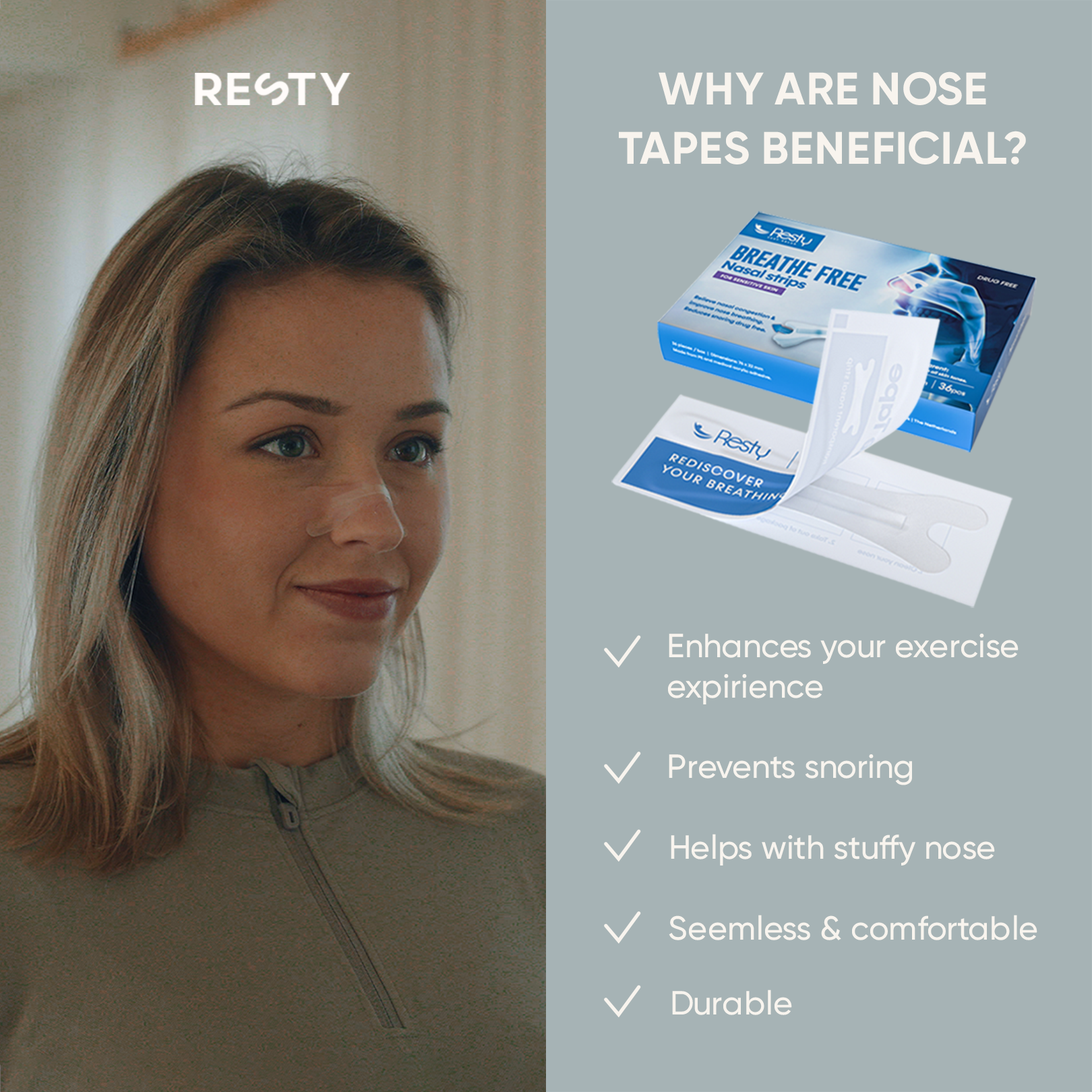
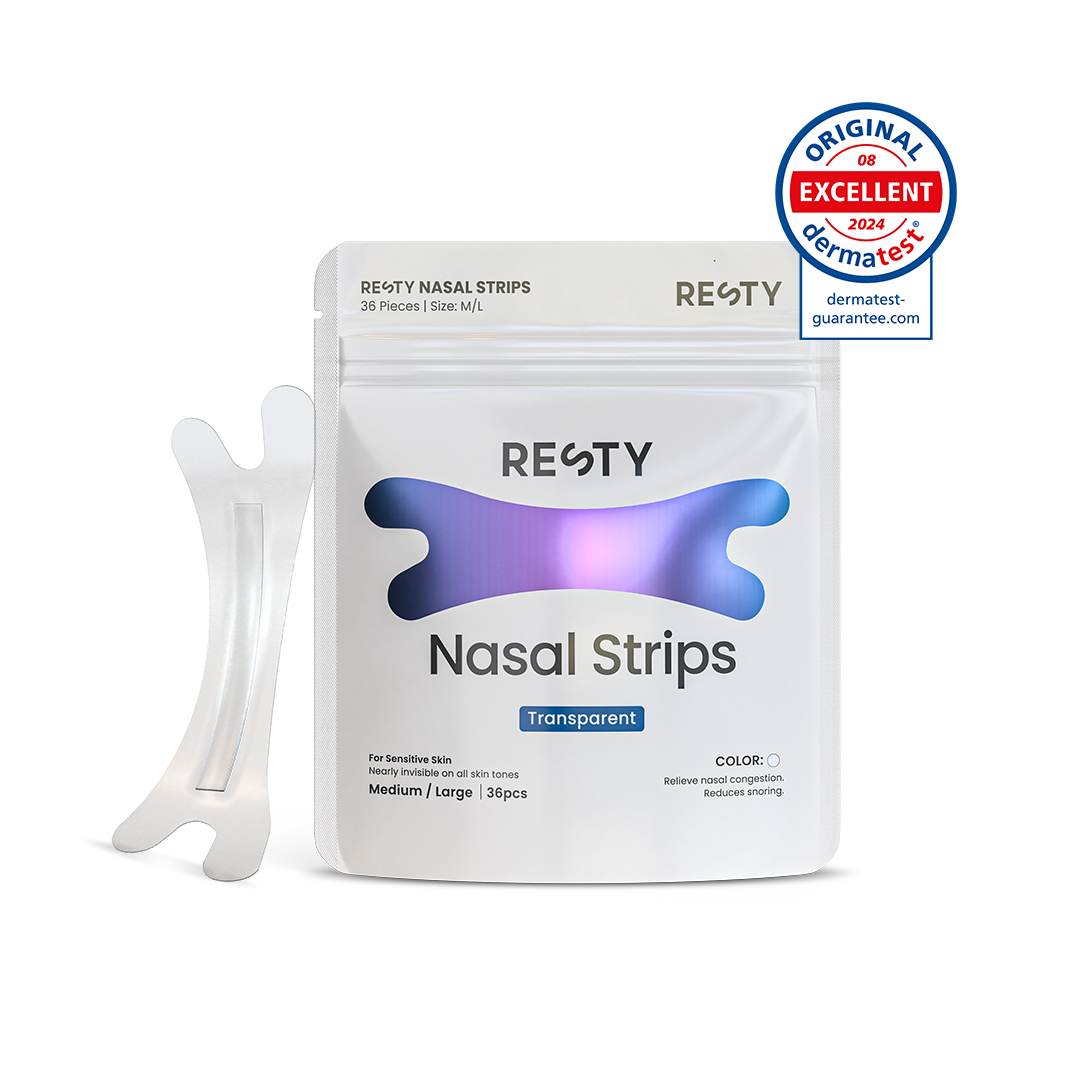
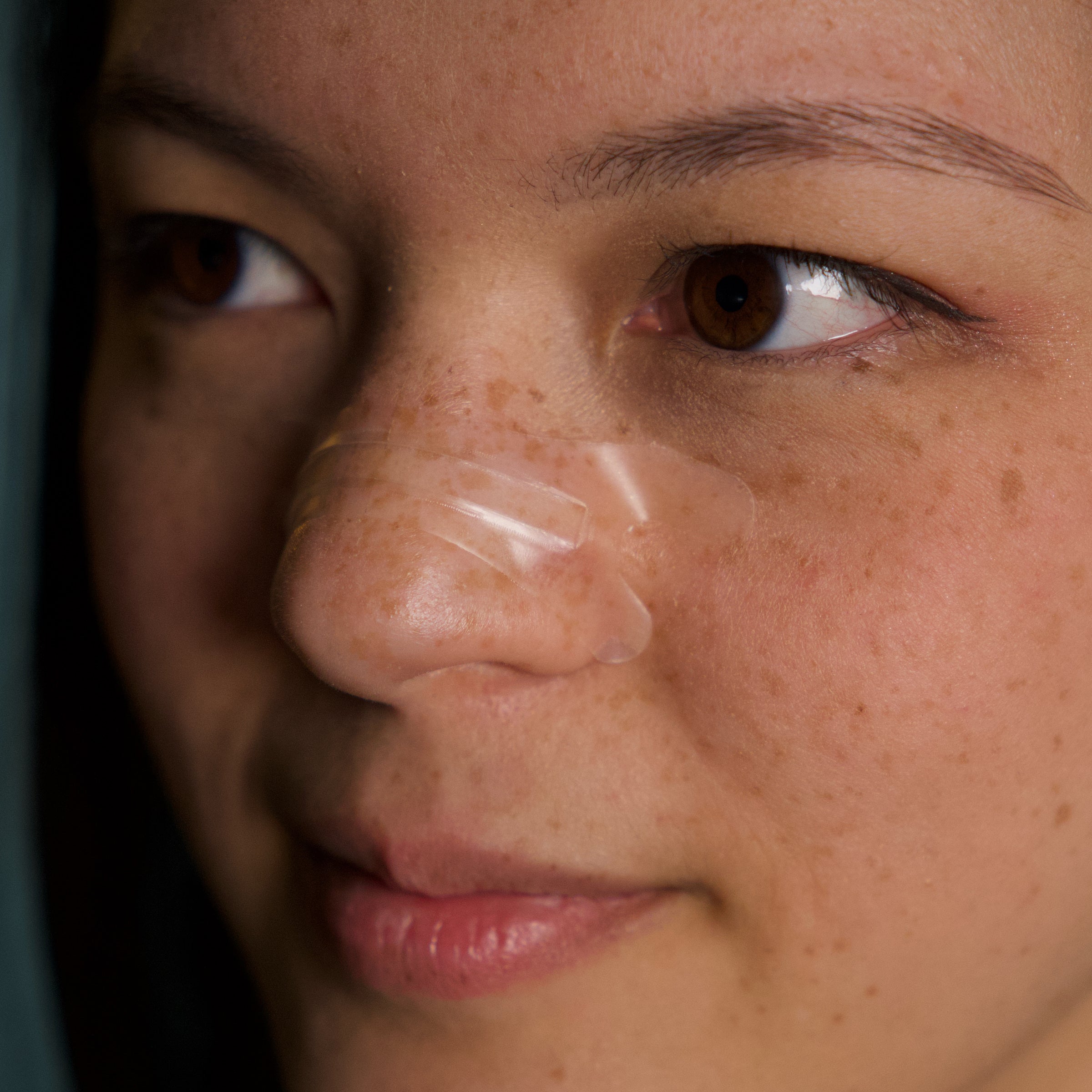
Nasal strips can help when the limitation is at the front of the nose, particularly if the nostril walls narrow inward during inhalation. Apply one to clean, completely dry skin shortly before bed. Centre it across the nasal bridge, keep the lower edge above the nostril openings, and press the adhesive down firmly for several seconds.
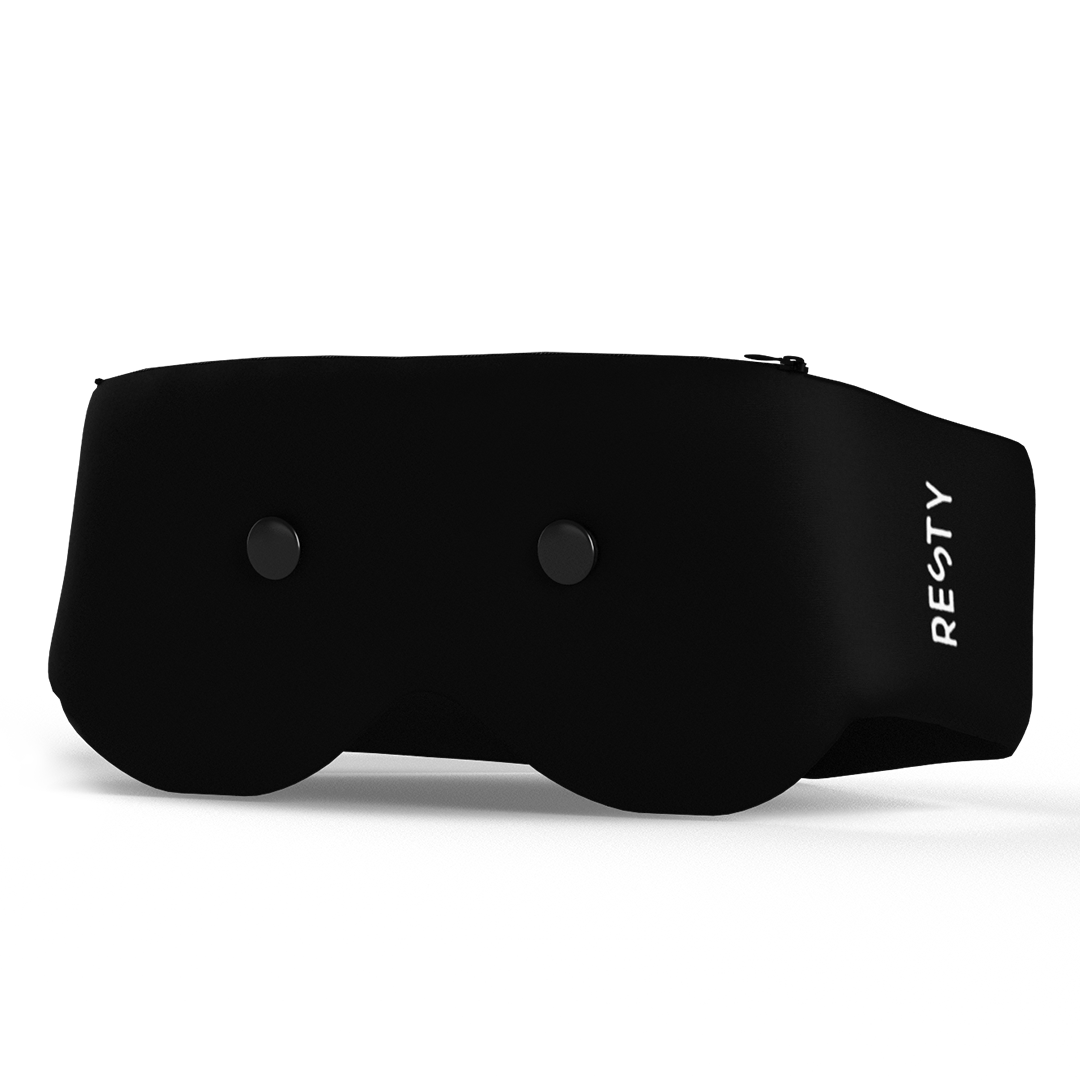
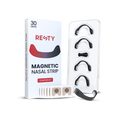
External support can make the front of the nose feel more open, but it does not remove deeper inflammation or mucus. Resty's magnetic system uses a reusable clip connected to adhesive tabs. It still requires skin adhesive and a fresh pair of tabs for every use.
Don't treat mouth tape as a substitute for an open nose. If you're considering it, first make sure you can breathe comfortably through your nose while awake and seek clinical advice if you snore heavily, wake gasping, or suspect sleep apnoea. For general safety considerations around keeping a mouth tape product in place, see this guide to keeping mouth tape on overnight.
Avoid relying on topical nasal decongestants night after night. UK pathways limit short-term intranasal decongestant use to 5 to 7 days, because prolonged use can contribute to rebound congestion. The Greater Glasgow and Clyde nasal obstruction guidance advises a stepwise approach and treats sleep disruption as clinically relevant.
Choosing the Right Nasal Support Device
Mechanical nasal supports work from the outside or at the nostril entrance. They can improve airflow where tissue movement or front-of-nose narrowing contributes to the sensation of blockage, but they won't treat allergic inflammation or every cause of deep nasal obstruction.
Adhesive strips
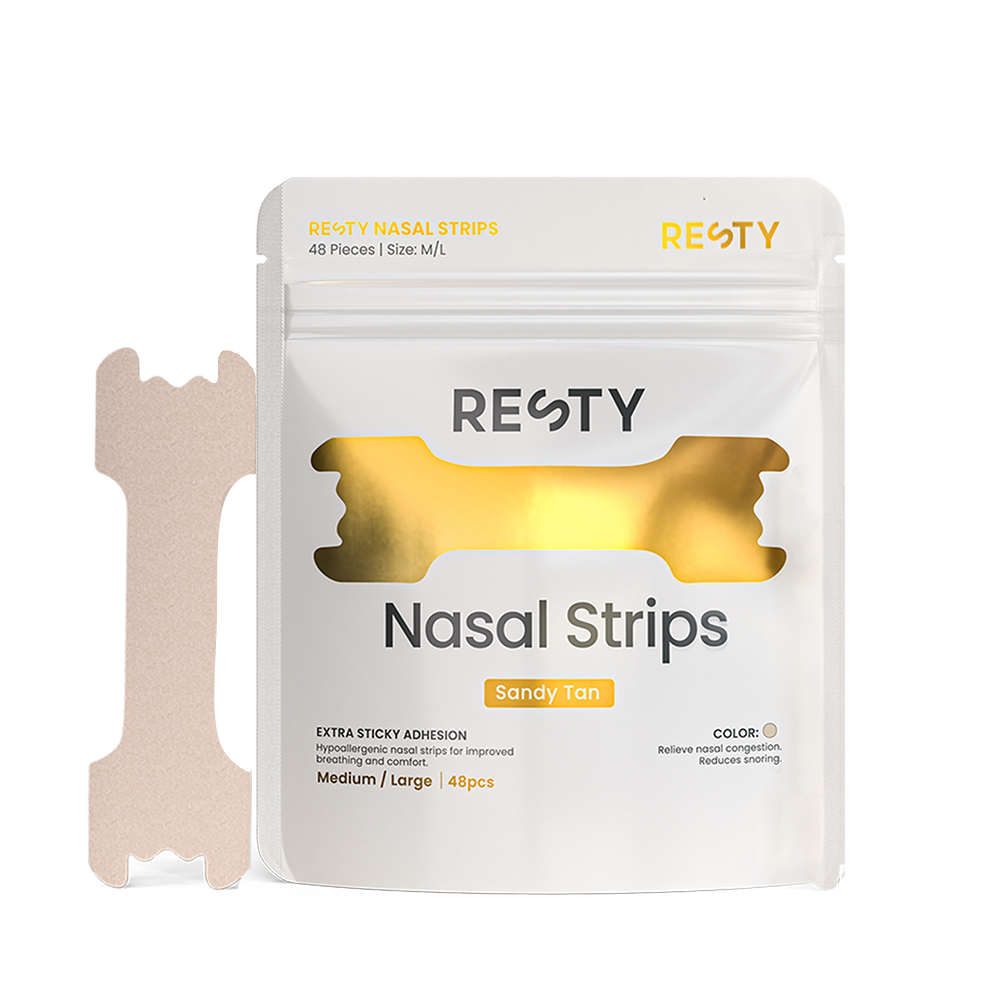
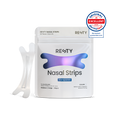
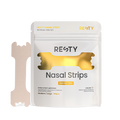
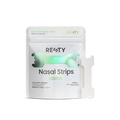
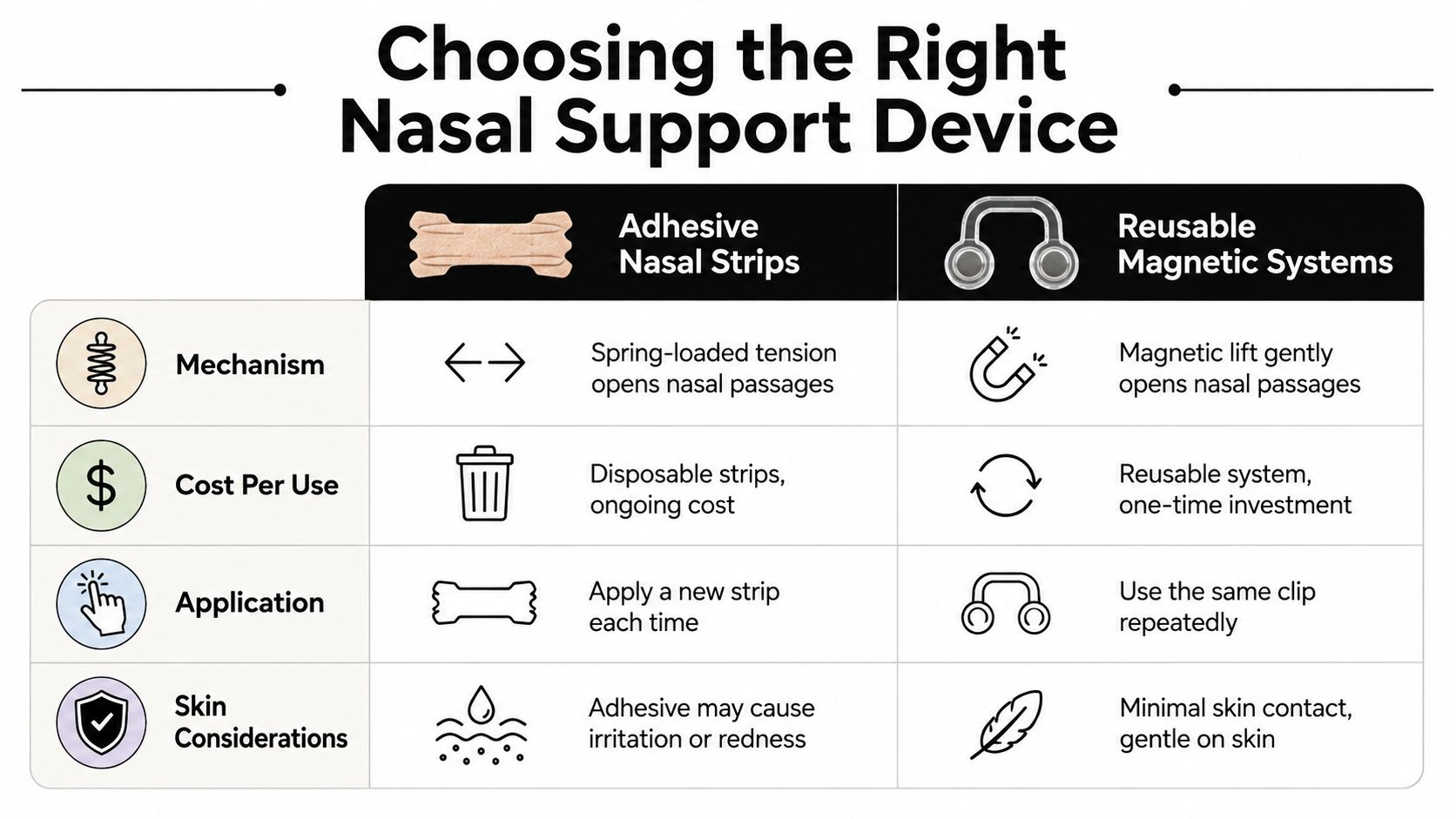
Traditional adhesive strips use a spring-like external tension to lift the sides of the nose. They're simple to apply, easy to travel with, and require no cleaning. Their main trade-offs are ongoing replacement, possible skin irritation, and variable adhesion if the skin is oily, damp, hairy, or covered with skincare products.
They're a sensible first test when you want to know whether external lift changes your airflow. Use them on clean, dry skin and remove them slowly rather than pulling sharply. A strip may feel effective for nostril narrowing but disappointing when the main issue is swollen tissue farther back.
Reusable magnetic systems
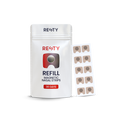
With Resty's magnetic nasal strips, only the clip is reusable. Apply a fresh pair of single-use adhesive tabs for each night or training session, then discard the tabs after use. The magnets connect the clip to the tabs; the lift is mechanical. When your supply runs out, keep the clip and order magnetic nasal strip refills.
Clean the reusable components as instructed and inspect the contact points regularly. A device that shifts when you turn onto your side, pinches the skin, or lifts unevenly won't be a useful sleep aid, even if its mechanism is sound. Resty offers adhesive nasal strips and a reusable magnetic format, giving users both types of external support to consider.
Internal dilators
Internal nasal dilators sit inside the nostrils and physically brace the nasal valve area. They may be worth considering when external strips don't stay in place or when the restriction feels concentrated at the nostril entrance. Some people find the internal sensation intrusive, and sizing is essential.
Use a simple decision rule:
- Choose adhesive strips for low-effort testing and travel.
- Consider a reusable magnetic clip if that format suits you, remembering that each use requires fresh adhesive tabs.
- Try an internal dilator when the front of the nostril appears to collapse or external support doesn't hold.
- Seek assessment if none of these changes the airflow, because the obstruction may be inflammatory, structural, or linked to sleep-disordered breathing.
For a closer practical comparison of external options, use this guide to nasal strips for snoring.
When Positional Congestion Needs Professional Attention
Self-care is reasonable when the blockage is mild, clearly position-related, and improves with simple measures. Arrange a primary care review when symptoms persist, repeatedly disturb sleep, affect daytime function, or require regular medication to get through the night.
Persistent one-sided obstruction deserves particular attention, especially when it doesn't behave like ordinary, alternating congestion. Also seek help if you have recurrent nosebleeds, facial pain, reduced sense of smell, troublesome discharge, or a blockage that continues despite appropriate saline care and guideline-based treatment.
Signs of a wider sleep-breathing problem
Nasal blockage can be one part of a broader breathing pattern during sleep. Ask for assessment if you snore loudly, wake choking or gasping, have witnessed pauses in breathing, wake with headaches, or remain unrefreshed despite giving yourself enough opportunity to sleep.
In England, diagnosed adult obstructive sleep apnoea prevalence was estimated at 1.40% in 2019, representing about 622,528 people, according to UK data presented in BMJ Open Respiratory Research. UK sleep survey data in the same source reported that 7% of respondents said they stopped breathing at night at least three times per week, compared with 3.8% in 1997. These figures aren't a diagnosis for any individual, but they explain why repeated nighttime breathing symptoms shouldn't be dismissed as a nose-only problem.
A clinician may examine the nasal passage, review allergy and medication history, and decide whether allergy testing, intranasal corticosteroid treatment, or ENT referral is appropriate. For ongoing symptoms affecting daily life, use this guide to blocked nose all the time as a prompt to seek a fuller assessment rather than escalating self-treatment indefinitely.
Building Your Personal Nighttime Breathing Routine
A reliable routine starts with the least invasive explanation and escalates only when the pattern supports it.
First, test position. Note your breathing while upright, then after lying down. Compare back and side sleeping, and adjust the upper-body angle if lying flat consistently triggers congestion.
Next, control the setting. Reduce bedroom dust and obvious irritants. Add saline before bed if mucus or dryness contributes, and keep any humidifier clean.
Then, add mechanical support. Choose a format that fits comfortably. Both classic strips and Resty's magnetic system use adhesive on the skin. Stop using the product if irritation occurs; switching to a magnetic clip does not remove adhesive contact.
Finally, review the pattern. Keep a brief note of bedtime position, nasal openness, mouth breathing, snoring, awakenings, and morning energy. Change one variable at a time where possible, and judge the trend over several nights rather than one unusually good or bad sleep.
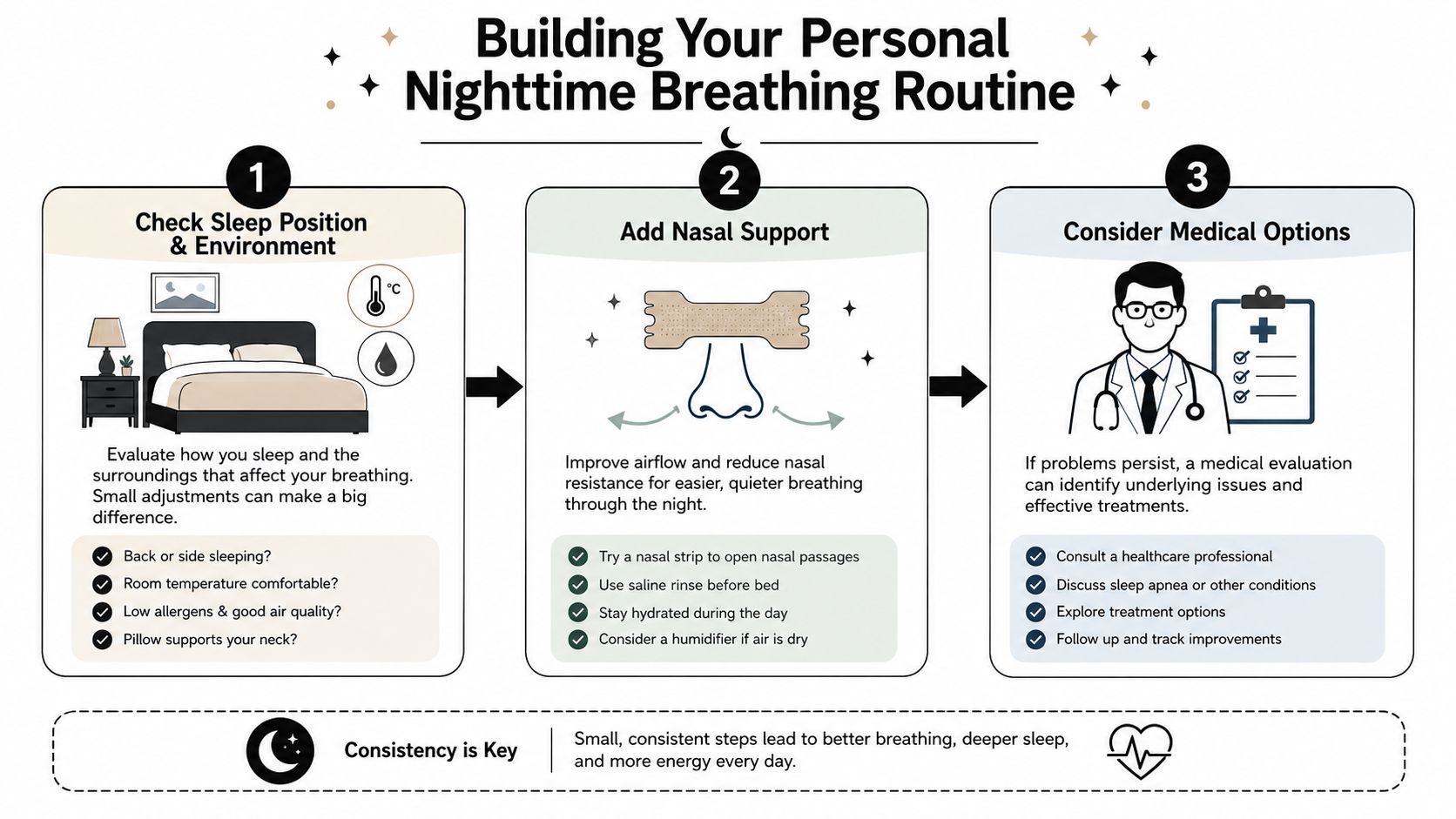
If basic measures don't help, don't keep layering devices and sprays without a plan. Persistent obstruction, severe sleep disruption, unilateral symptoms, or signs of sleep apnoea call for professional evaluation. Positional congestion is often manageable, but the most effective routine is the one built around the actual mechanism in your nose and your sleep.
Compare transparent nasal strips with the magnetic nasal strip starter kit to choose between a one-piece disposable strip and a reusable clip with fresh tabs. Already own the clip? Choose magnetic nasal strip refills.