



Can Lack of Sleep Cause Dry Eyes? What to Check
Poor sleep and dry eyes can occur together. A short night does not establish why your eyes feel dry, and catching up on sleep is not a proven treatment for dry-eye disease. Check everyday triggers as well as your sleep routine.
That doesn't mean every tired morning signals permanent eye damage. Dryness can result from several factors, including screen use, heating, air conditioning, contact lenses, allergies, eyelid problems, medicines, and health conditions. Poor sleep may be one contributor, but it can also make an existing tear-film problem feel much worse.
What does research show?
A large Dutch population study found an association between dry eye and poor sleep quality. It was observational, so it cannot establish that sleep loss caused an individual's symptoms. The connection is worth discussing with an eye-care professional, especially when dryness and disturbed sleep keep recurring.
What should you record?
Write down your sleep quality, approximate bedtime and waking time, morning symptoms, screen exposure, room conditions, and anything you used for comfort. Keep the notes simple. The purpose isn't to create a medical diagnosis, but to identify a repeatable pattern that you can discuss with a professional.
What can you change at home?
Heating, air conditioning, and direct airflow can make a dry room less comfortable. Move fans away from your face, consider a humidifier if the room is persistently dry, and avoid directing a vent towards the bed.
Relief works best when you address both the eye surface and the night that precedes the symptoms. For immediate comfort, an optometrist or pharmacist can help you choose suitable lubricating drops. Preservative-free artificial tears may be more appropriate when frequent use is needed, but product choice depends on your symptoms and other eye conditions.
A warm, moist compress over closed eyelids can support eyelid hygiene and soothe the area. Keep it comfortably warm rather than hot, use a clean cloth, and stop if the skin or eyes become more irritated. If you have significant eyelid inflammation or recurrent crusting, professional advice is more useful than repeatedly increasing home treatment.
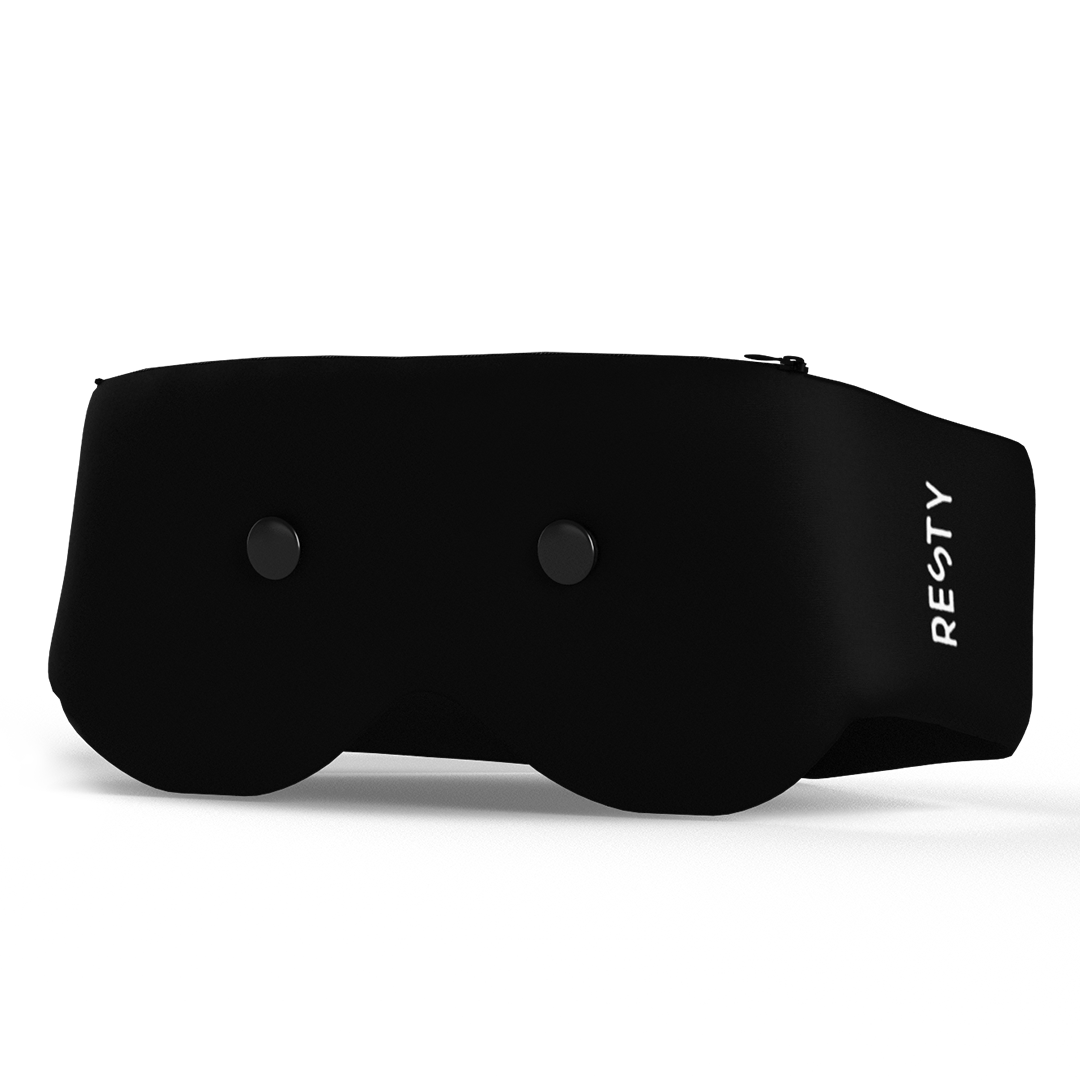
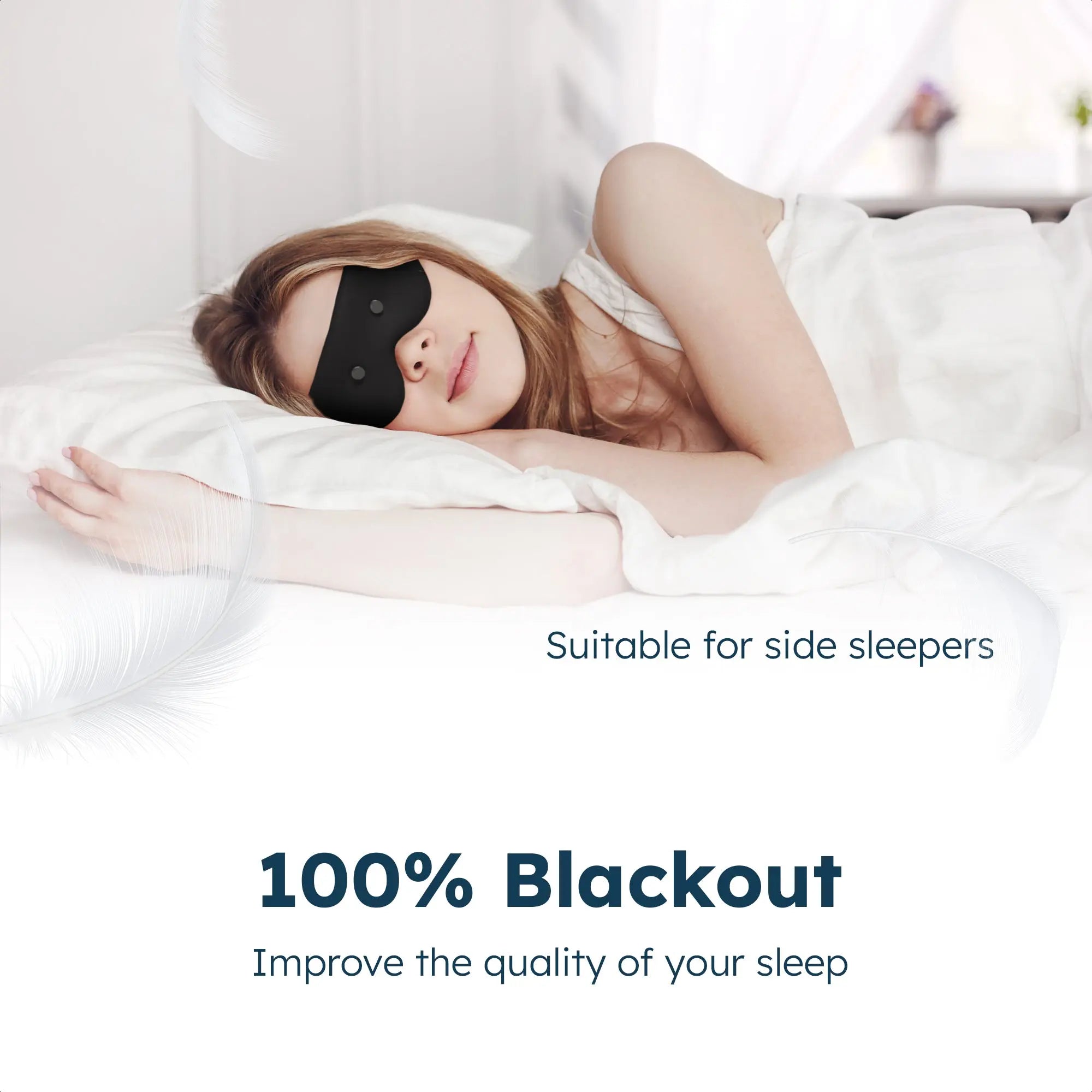
If unwanted light also disturbs your rest, read our guide to sleep masks. A mask controls light; it does not treat dry eyes. Avoid pressure on sore or irritated eyes and seek advice if a mask makes symptoms worse.
When should you get help?
Seek urgent eye care for a painful red eye, new changes in vision or marked light sensitivity. A red eye in a contact-lens wearer also needs urgent assessment. The NHS dry-eye guidance explains these warning signs and when to seek routine help.
Don't assume sleep is the explanation when one eye is substantially worse, symptoms follow an injury, or discharge and swelling are prominent. A clinician can assess tear production, evaporation, eyelid closure, the corneal surface, and possible underlying conditions.
A practical plan for the next week
Use the next week as a structured check rather than a test of willpower.
- Each morning: Record grittiness, burning, redness, blur, crusting, and whether symptoms improve after blinking.
- Each evening: Note your sleep preparation, screen exposure, bedroom airflow, nasal comfort, and any eye products used.
- During the week: Keep your routine steady enough to notice whether improved sleep is followed by better morning comfort.
- At the end: If symptoms are clearly easing, continue the habits that helped. If they're unchanged, worsening, one-sided, painful, or affecting vision, arrange professional support.
Use the record to describe the pattern, rather than diagnosing it yourself. A steadier sleep routine may help your rest, but persistent or worsening eye symptoms need an eye examination.